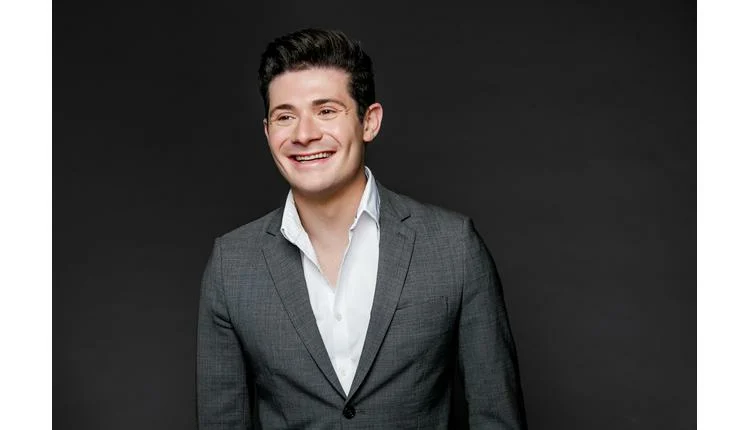
Amsterdam-based Roboat, a specialist in autonomy systems for waterborne transport, has announced a leadership transition as it prepares for a scale-up phase. Co-founder Ynse Deinema steps down after four years as CEO, with Joshua Jordan assuming the role. Jordan, who has been involved with Roboat since its research phase, brings more than a decade of experience in AI and software startups.
The change comes as Roboat looks to commercialize its technology beyond the skipper-support systems already operating on ferries. The company recently completed a successful pilot of an autonomous barge in Amsterdam's canals, demonstrating potential applications for urban logistics. Jordan emphasized that autonomy in water transport is no longer a futuristic concept, stating: "With its technology, Roboat has already proven that this is no longer a vision for the future, but something that can be deployed today."
Leadership continuity and growth plans
The rest of the executive team remains unchanged, with CTO Jonathan Klein Schiphorst and CPO Rens Doornbusch continuing in their roles. This stability is intended to ensure a smooth transition as Roboat pursues its growth strategy. The company is currently raising capital to further develop its technology and expand its market presence, engaging with partners and stakeholders across the logistics chain.
Roboat's technology has already been integrated into ferry operations, providing automated navigation support that enhances safety and efficiency. The autonomous barge pilot in Amsterdam's canals marks a significant step toward broader adoption in goods transport, a sector where labor shortages and operational costs are pressing challenges. By automating vessels, Roboat aims to offer a scalable solution for both passenger and cargo movement on inland waterways.
The appointment of Jordan signals a strategic focus on scaling operations. His background in AI and software startups aligns with Roboat's mission to bring cutting-edge autonomy to maritime and inland navigation. "We are at a pivotal moment for water transport," Jordan added. "Our technology is ready, and we are now focused on deployment and growth."
Roboat's expansion comes amid broader interest in autonomous and smart mobility solutions across the travel and logistics industries. For travel professionals, the implications extend beyond Amsterdam: autonomous ferries and barges could reshape urban transport networks, reduce congestion, and lower emissions in cities with extensive waterways. Similar initiatives are being explored in other European cities, and Roboat's progress could serve as a model for future deployments.
The company's focus on partnerships is critical. By working with ferry operators, port authorities, and logistics firms, Roboat aims to integrate its systems into existing infrastructure. This collaborative approach is designed to accelerate adoption and ensure that the technology meets real-world operational requirements.
As Roboat moves forward under Jordan's leadership, it is poised to play a significant role in the evolution of water-based transport. The company's innovative technology promises to improve efficiency and scalability in both passenger and goods transport, offering a glimpse into the future of urban mobility.
For more on how technology is transforming travel operations, see our coverage of AI-driven tour pricing platforms and AI trip planning in the cruise sector.