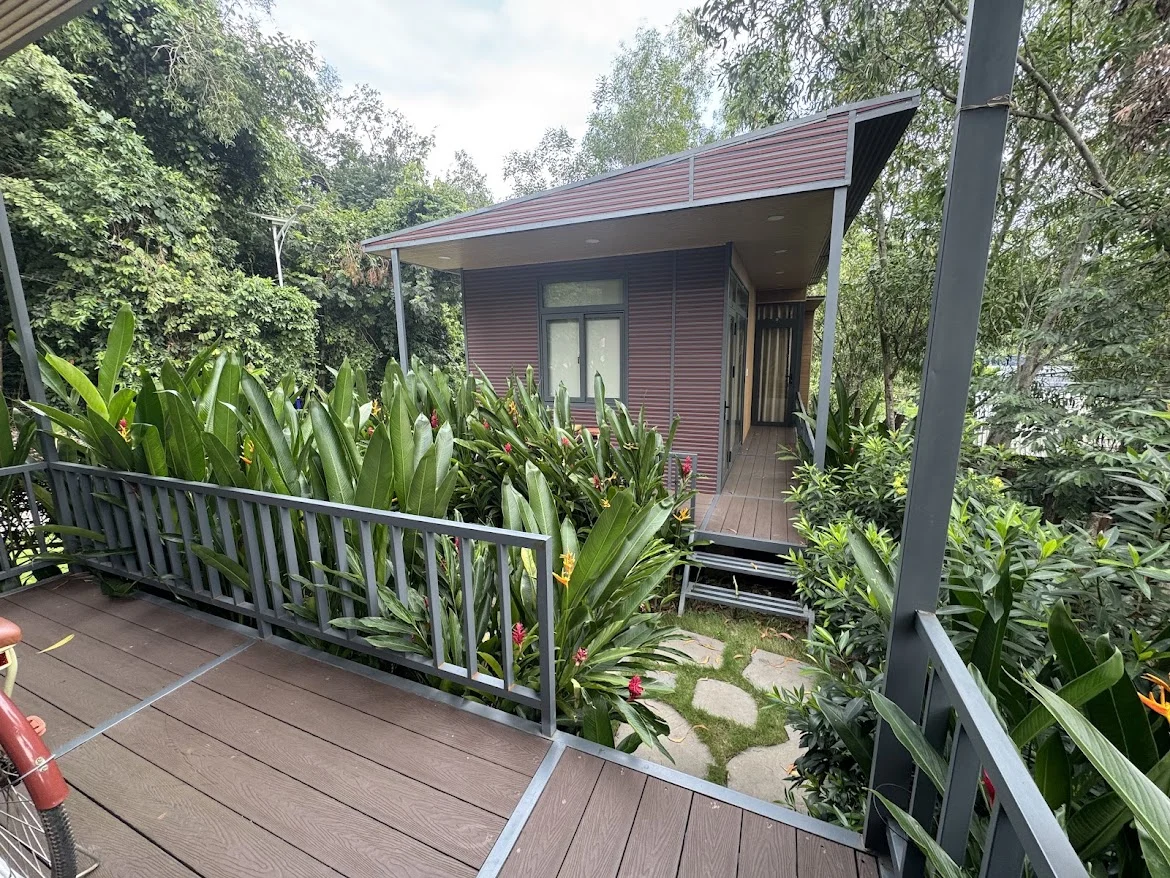
At this year's ITE-HCMC in Vietnam, visiting journalists were given a taste of the region's evolving accommodation landscape: instead of a conventional hotel, they spent the night in converted containers within the Cu Chi Tunnels complex, complete with beds, baths, and homestyle Vietnamese meals. The homestay initiative is part of a broader movement across Asia, where travelers are increasingly choosing local, immersive stays over standardized corporate hotels.
The global homestay market was valued at US$34.14 billion at the end of 2025, according to industry data, and the trend is reshaping how tourism revenue flows in Asia. For decades, the region's tourism model centered on long-haul flights, capital-city hotels, and whirlwind sightseeing itineraries. But a growing cohort of Millennial and Gen Z travelers is prioritizing purpose and cultural exchange over conventional luxury, driving a shift toward homestays that offer direct engagement with local communities.
Economic impact beyond the hotel lobby
The homestay model bypasses traditional intermediary channels, directing income straight to host families and their immediate networks. Guests' payments fund households rather than global hotel holding companies, and hosts source supplies from neighboring farms, markets, and fishermen, creating a hyper-local supply chain. This setup also spawns micro-enterprises, connecting guests with artisans, handicraft producers, and independent village guides who might otherwise be overlooked by mainstream tour operators.
For women in rural areas, homestays offer a direct path to financial independence, a point underscored by operators across Vietnam, Indonesia, and China. The model's socio-economic empowerment potential is a key reason why governments and academic institutions in Japan are backing structured regional homestay initiatives to revitalize shrinking rural communities.
Relief for overtourism hotspots
As destinations like Tokyo, Bangkok, and Beijing grapple with overtourism, homestays are redirecting visitor flows toward lower-tier locations. In China, platforms such as Tujia and Xiaozhu have reported significant booking increases in county-level and regional areas, attracting urbanites seeking a slower pace. The recent surge in tourism to Shanxi province, sparked by the video game Black Myth: Wukong, illustrates how homestays can respond quickly to hyper-local trends.
International travelers are increasingly rejecting staged cultural performances in favor of authentic immersion, and homestays deliver that by embedding visitors in daily community life. Guests participate in activities like throwing fishing nets, foraging, harvesting rice paddies, and preparing regional dishes alongside their hosts. In cultural strongholds such as Yogyakarta, Indonesia, and rural China, host families share household routines, helping to preserve intangible heritage. The personal dynamic between host and guest also fosters mutual respect and emotional solidarity, reducing perceived travel risks and building long-term destination loyalty.
Professionalization and digital adoption
To capture a broader international audience, the Asian homestay market is professionalizing, balancing authenticity with modern expectations. Successful operators are integrating eco-friendly amenities, reading nooks, specialty coffee corners, and curated art spaces into traditional village architecture. In Vietnam and Malaysia, many homestays now offer managed packages that combine lodging with guided eco-adventures like river kayaking, hiking, and traditional music lessons.
Small-scale hosts are also embracing digital-first operations, using social commerce platforms like TikTok and Instagram alongside search engine optimization to connect directly with global travelers, bypassing traditional online travel agencies. This trend aligns with broader shifts in the travel industry, such as Vietnam's corporate travel boom and the rise of premium bookings in markets like Singapore.
The divide between traditional hospitality and the homestay model is stark: while hotel tourism concentrates wealth within global chains and holds foot traffic in hyper-commercialized capitals, homestays direct economic value to village artisans, host families, and regional farmers across lower-tier counties and rural islands. As the industry evolves, the challenge for destinations will be to maintain the authenticity that drives demand while ensuring quality and safety standards that international travelers expect.