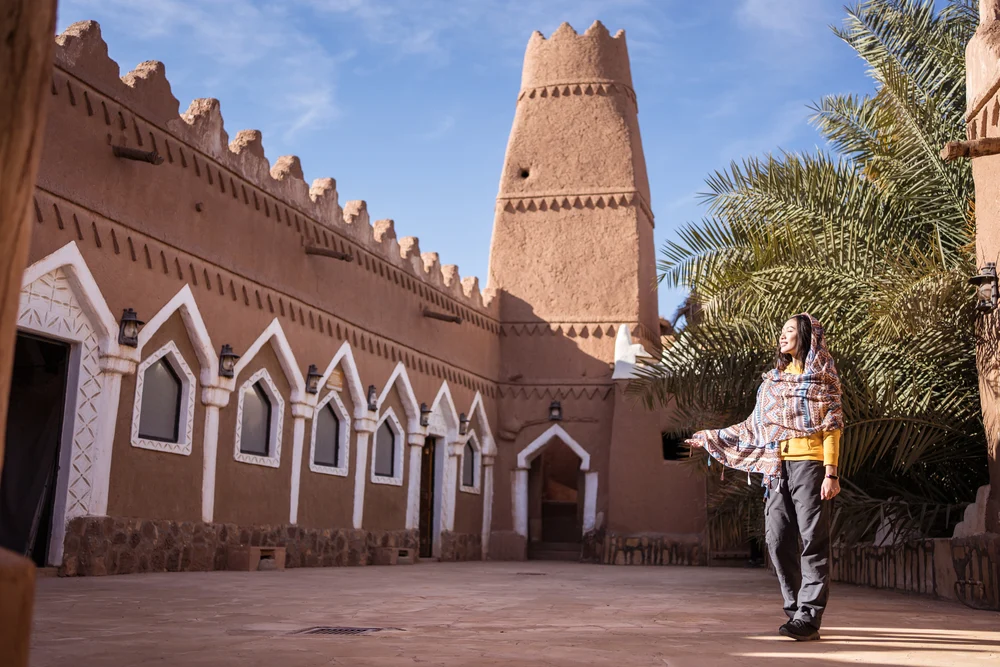
For years, Saudi Arabia's tourism narrative has centered on mega-projects like NEOM, the Red Sea Project, and Diriyah. But a quieter shift is underway: China is emerging as a critical source market for the Kingdom's Vision 2030 goals. According to a report by Dragon Trail International, presented ahead of WTM Spotlight Riyadh, flight capacity between Greater China and Saudi Arabia increased by approximately 91% during 2025, reflecting robust demand and airline confidence.
Direct flights now link Beijing, Shanghai, Guangzhou, and Shenzhen with Riyadh, Jeddah, and Dammam via carriers including Saudia, Air China, China Eastern Airlines, China Southern Airlines, and Hainan Airlines. This connectivity expansion is a cornerstone of Saudi Arabia's strategy to attract high-value Chinese tourists, who are increasingly seeking cultural and luxury experiences beyond traditional European destinations.
High-Spend Market Aligns with Vision 2030
Chinese travelers consistently rank among the world's top international spenders. Saudi Arabia received Approved Destination Status (ADS) from the Chinese government in 2024, enabling organized leisure travel and group tours. This policy shift has spurred collaboration between Saudi tourism authorities, airlines, and Chinese tour operators, making the Kingdom a more viable option for itineraries.
The economic impact is already measurable. According to the World Travel & Tourism Council (WTTC), travel and tourism contributed approximately US$178 billion to Saudi Arabia's economy in 2025, making it the largest tourism economy in the Middle East. International visitor spending rose 8.2%, while the sector expanded 7.4%, outperforming global averages.
Danielle Curtis, Regional Portfolio Director – UAE, RX, said: “China represents one of the most influential outbound tourism markets globally, and Saudi Arabia is rapidly establishing itself as a destination of growing importance for Chinese travellers. As the Kingdom continues to invest in connectivity, visitor experiences, hospitality, and cultural infrastructure under Vision 2030, we are seeing increasing alignment between Saudi Arabia’s tourism ambitions and evolving consumer preferences.”
Experiential Travel Drives Demand
Chinese outbound tourism has shifted from large-group sightseeing to independent, experience-driven travel. Saudi Arabia's assets—AlUla's archaeological sites, Historic Jeddah's UNESCO-listed district, Diriyah's heritage, Red Sea luxury resorts, and the Asir Mountains—offer authenticity and premium hospitality that appeal to this demographic.
Rather than competing with Paris or London, Saudi Arabia is carving a niche as a relatively undiscovered destination. Hotels and airports are introducing Mandarin signage, integrating Chinese payment platforms like Alipay and WeChat Pay, and tailoring marketing campaigns for Chinese digital platforms. These adaptations reduce friction for travelers accustomed to seamless ecosystems.
Riyadh Air, new airport developments, and broader aviation infrastructure investments are expected to further strengthen links with Asia over the next decade. The Kingdom aims to welcome 150 million annual visitors by 2030, and China is central to that ambition.
For travel professionals—airline executives, hoteliers, and tour operators—the message is clear: Saudi Arabia is investing heavily in becoming China-ready. As Saudi Arabia gains ground as Chinese travelers shift from traditional destinations, the opportunity for partnerships and product development is significant.
Meanwhile, Ascott's plan to open its first Saudi villa community in Riyadh by 2026 targeting the long-stay market underscores the Kingdom's focus on diverse accommodation options. And as Virgin Atlantic deepens its India network, the broader trend of premium outbound demand from Asia is reshaping global aviation.