Saudi Arabia is moving to tighten oversight of Hajj accommodation and pilgrim services well ahead of the 2027 season, pushing compliance deeper into the contracting and booking processes for hotels, overseas Hajj missions, and specialist travel operators.
The latest changes focus on properties in Makkah and Madinah, where the Ministry of Tourism has approved updated classification standards and inspection regimes. Accommodation will now be divided into economy and first-class tiers, with criteria covering room quality, reception areas, common spaces, cleanliness, maintenance, and guest services. Inspections are scheduled at three points: before licensing, before operations begin, and during the Hajj period itself. A schedule of violations has also been established for providers in the two holy cities.
For operators handling large groups from key source markets such as Indonesia, Pakistan, India, and Turkey, this raises the bar on hotel procurement. Price, capacity, and proximity to the holy sites remain critical, but the licensing and classification status of a property will increasingly determine whether it can be included in an authorised Hajj programme. As one compliance specialist put it, "hotel contracting is becoming a compliance exercise as much as a commercial one."
Accommodation moves up the compliance agenda
The regulatory push is part of a broader effort to manage the intense seasonal demand in Makkah and Madinah. In June, the Ministry of Municipalities and Housing issued updated requirements for temporary accommodation, addressing safety, operating standards, and property management. This follows a significant expansion in supply: more than 566,000 beds have been added to Makkah's pilgrim hospitality capacity through the temporary accommodation licensing service introduced in 2025.
More beds, however, bring a larger regulatory challenge. For overseas Hajj missions and tour operators, the message is clear: verify that accommodation meets Saudi requirements before committing inventory, rather than treating regulatory checks as a final-stage formality. The stakes are high, as non-compliant properties could be excluded from authorised programmes, leaving operators scrambling for alternatives.
Technology is being drawn into the process. During the 2026 Hajj, the Ministry of Tourism rolled out a smart accommodation service using artificial intelligence and Internet of Things technology to track pilgrim arrivals, housing allocation, occupancy, and operating performance. This gives authorities greater visibility over one of the most complex elements of Hajj logistics: accommodating very large numbers of visitors within a concentrated period and geographic area.
Hajj packages become more integrated
The accommodation changes cannot be viewed in isolation. Saudi authorities are also restructuring how Hajj services are packaged and contracted for 2027. Minister of Hajj and Umrah Tawfiq Al-Rabiah announced after the 2026 pilgrimage that a comprehensive package would combine accommodation in Makkah and Madinah with transport, catering, and services at the holy sites. These services are expected to cover the pilgrim's entire stay, rather than being assembled through multiple disconnected arrangements.
The package structure is also being streamlined. Package D is being removed, leaving three categories, while staff working in Hajj affairs offices will be required to complete training before obtaining the relevant visa. That matters commercially. Specialist operators have traditionally managed a web of suppliers covering hotels, buses, catering, and services around the holy sites. Bringing those components into a more integrated framework should give Saudi authorities greater control over service delivery, but it also leaves less room for last-minute procurement or informal arrangements.
Overseas Hajj companies and pilgrim affairs offices were allowed to begin securing priority accommodation in Makkah and Madinah from June 30, 2026, as Saudi Arabia opened preparations for the next pilgrimage unusually early. Organisations looking to retain their existing locations at the holy sites were given priority during the initial contracting period, according to Gulf News. For outbound markets, earlier Saudi deadlines are likely to feed through to negotiations with hotels, airlines, ground handlers, and other suppliers. Operators that wait for traditional booking cycles could find their choice of compliant accommodation narrowing.
Digital permits close gaps in the system
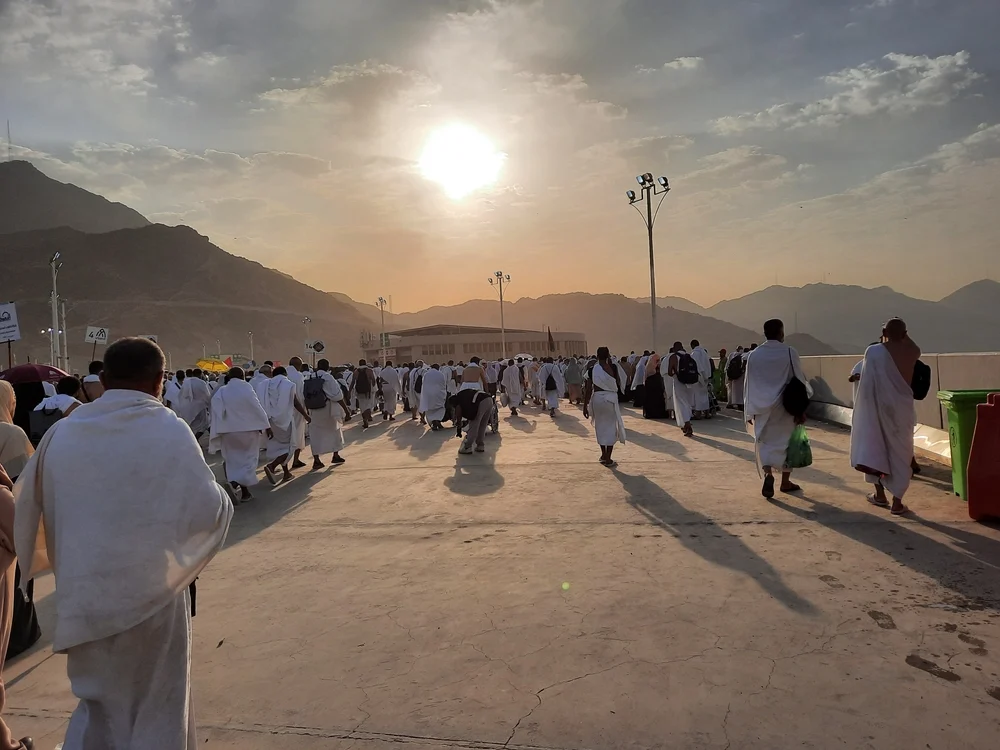
Permit enforcement remains another pillar of the Saudi strategy. The Nusuk Card, issued by the Ministry of Hajj and Umrah, has become a central identification tool during the pilgrimage, accompanying authorised pilgrims through different stages of their journey. Saudi Arabia reinforced that system during the 2026 season through its "No Hajj without a permit" campaign. Access to Makkah during the restricted period was limited to people holding authorised Hajj permits, Makkah residency documentation, or approved work permits. Travellers entering Saudi Arabia on visit visas were not permitted to use them to perform Hajj.
That distinction is becoming increasingly important for travel sellers as Saudi Arabia simultaneously expands access to Umrah outside the Hajj season. In July, the kingdom introduced a one-year multiple-entry Umrah visa. Each visit requires an approved service package and Umrah permit, a move that could reshape how agents and tour operators structure their Saudi offerings. For a deeper look at how Saudi tourism is evolving, see our analysis of Saudi hotel performance and the broader rail expansion reshaping Middle East travel.
For travel professionals, the message is clear: the 2027 Hajj season will demand earlier planning, tighter compliance, and a more integrated approach to service delivery. Operators that adapt to these new rules will be better positioned to secure compliant accommodation and deliver a seamless experience for pilgrims. As the Saudi authorities continue to modernise the Hajj ecosystem, the industry must keep pace or risk being left behind.