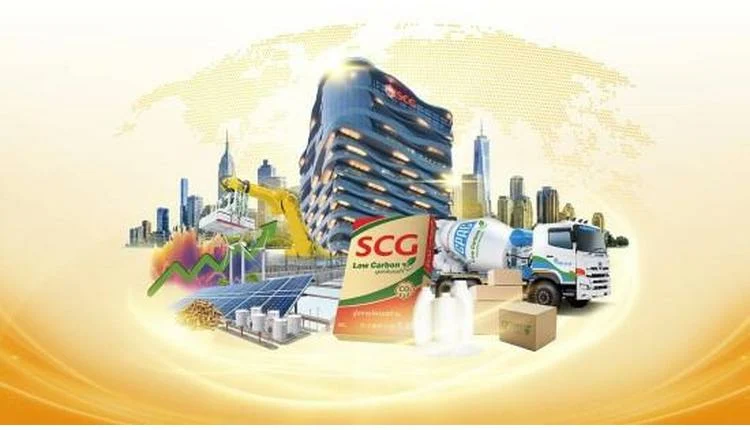
SCG, the Bangkok-based industrial conglomerate, is intensifying its collaboration with ASEAN member states to strengthen regional industrial capabilities amid global economic shifts. Thammasak Sethaudom, President and CEO of SCG, told industry stakeholders that ASEAN must bolster resilience and deepen cross-border cooperation to sustain long-term growth.
“ASEAN is a critical growth engine alongside China,” Sethaudom said, citing strong fundamentals in population, trade connectivity, and investment flows. The region’s projected GDP growth of around 4.7% positions it as a key node in global industrial networks. Each ASEAN economy contributes distinct advantages—manufacturing efficiency, innovation, talent, and policy support—creating opportunities for deeper integration. SCG views China as a strategic partner, aiming to build efficient, interconnected regional value chains.
Phased Strategy for Competitiveness
SCG is executing a three-phase strategy to boost long-term competitiveness. In the short term, the focus is on operational resilience through energy efficiency and supply chain stability. Medium-term plans (2026–2027) include expanding operational capabilities across ASEAN via robotics, artificial intelligence, and digital transformation. Key initiatives involve developing ethane flexibility at Long Son Petrochemicals in Vietnam and exploring potential petrochemical cooperation in Thailand.
Long-term goals from 2026 onward center on driving sustainable growth through clean energy and carbon reduction under the Inclusive Green Growth framework. This aligns with broader travel-industry trends, such as the ASEAN-Backed HWONFEX 2026 Declaration signed at Hilton Manila, which targets the $9 trillion wellness economy.
Robotics, AI, and Human Capital
Sethaudom emphasized that robotics and AI will transform industrial operations while keeping human capability central to value creation. SCG positions itself as an “Organisation of Opportunities,” focusing on continuous upskilling and enterprise-wide transformation. The group’s approach mirrors the digital shifts seen across travel technology, where vendors like Amadeus and Sabre are integrating AI into booking and operations platforms.
“Future industrial competitiveness will be defined by collaboration and connectivity,” Sethaudom concluded. “ASEAN and its partners, including China, have strong potential to build a resilient and sustainable industrial ecosystem.”
For travel professionals, SCG’s push for regional integration has direct implications. Stronger industrial ties can boost air cargo demand—similar to Emirates SkyCargo’s debut of its first converted 777-300ER freighter—and support MICE growth, as seen with the Lions International Convention returning to Hong Kong. Enhanced connectivity also benefits airlines like Vietnam Airlines, which recently opened a Ho Chi Minh City–Phuket route, strengthening ASEAN air links.
SCG’s strategy underscores the importance of regional collaboration in building a resilient travel and industrial ecosystem. As ASEAN economies integrate further, travel industry stakeholders—from hoteliers to tour operators—stand to gain from improved infrastructure, increased business travel, and a more connected marketplace.