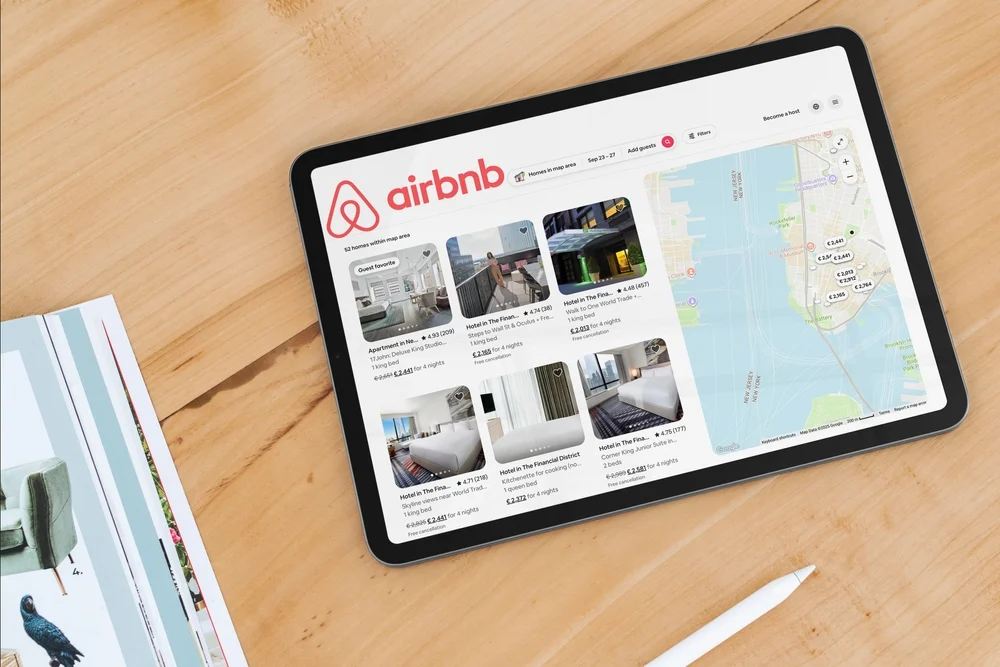
Short-term rental platforms are proving more resilient than traditional hotels amid geopolitical shocks, a trend underscored by Airbnb's latest earnings. The company raised its full-year revenue growth forecast to at least the mid-teens after second-quarter revenue reached $3.61 billion, beating Wall Street expectations. Shares jumped 14% on 7 August to their highest level in over four years, as investors recognized the platform's ability to adapt to shifting travel patterns.
D.A. Davidson analysts called Airbnb the "best-positioned online travel agency" to withstand regional turmoil, inflation, and AI-driven disruption. They cited its significant U.S. exposure and the breadth of accommodation types and destinations. This assessment reflects a broader structural advantage: short-term rentals can absorb changes in where, how, and why people travel, while hotels face fixed-asset constraints.
Geography as a hedge
Hotels cannot move their rooms during crises. A property in a conflict-affected region can adjust rates or target domestic guests, but its asset remains tied to that market. Airbnb, with over 5 million hosts worldwide, disperses inventory across cities, suburbs, and rural areas, allowing it to retain travellers even when original itineraries change. A European holiday can become a domestic break; a long-haul trip can shift to a drive-to destination. The transaction survives even if the plan does not.
Recent Middle East conflict has shown how quickly travellers redirect spending. Resilient leisure and business demand helped U.S. travel companies absorb some fallout despite higher fuel costs. For accommodation providers, capturing demand when it moves is now critical.
Flexible supply advantage
Hotel capacity is expensive and slow to develop, while short-term rental supply can expand rapidly when demand enters a market. The 2026 FIFA World Cup is a prime example: inventory expanded around host cities as property owners responded to surging demand. AirDNA's analysis tracked sharp changes in demand and pricing across North America. The broader U.S. market remains strong, with average occupancy forecast at 57.4% for 2026, slightly above pre-pandemic levels.
Hotels entered the year from a weaker position. CoStar and Tourism Economics reported a 0.3% decline in U.S. hotel RevPAR in 2025, the first annual fall outside a recession. While the outlook has improved, economic uncertainty persists. This structural divide—hotels managing fixed inventory versus platforms allowing supply to follow demand—is a key lesson for travel professionals.
Choice as resilience
Short-term rentals also let travellers adjust trip economics. Facing higher airfares, a family can share a larger property, move outside city centres, or book with a kitchen to cut costs. This breadth—from rooms to villas—contrasts with hotels' standardized product. Platforms aggregate diverse inventory, offering flexibility that traditional accommodations cannot match.
For hoteliers and agents, the takeaway is clear: adaptability is paramount. As geopolitical events and economic pressures reshape itineraries, the ability to pivot quickly—whether through dynamic pricing, flexible cancellation, or diversified portfolios—will define success. The shift toward quieter escapes and domestic travel further underscores this trend. Meanwhile, Asian hotel groups are leading luxury expansion, but even they must contend with the rise of alternative accommodations.
As the industry navigates these changes, the short-term rental model offers a blueprint for resilience. Its ability to follow demand, offer choice, and adapt to disruption is a competitive edge that traditional players must study closely.