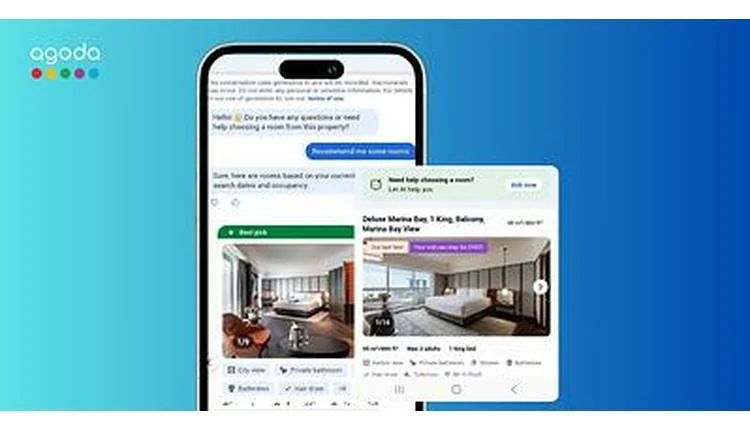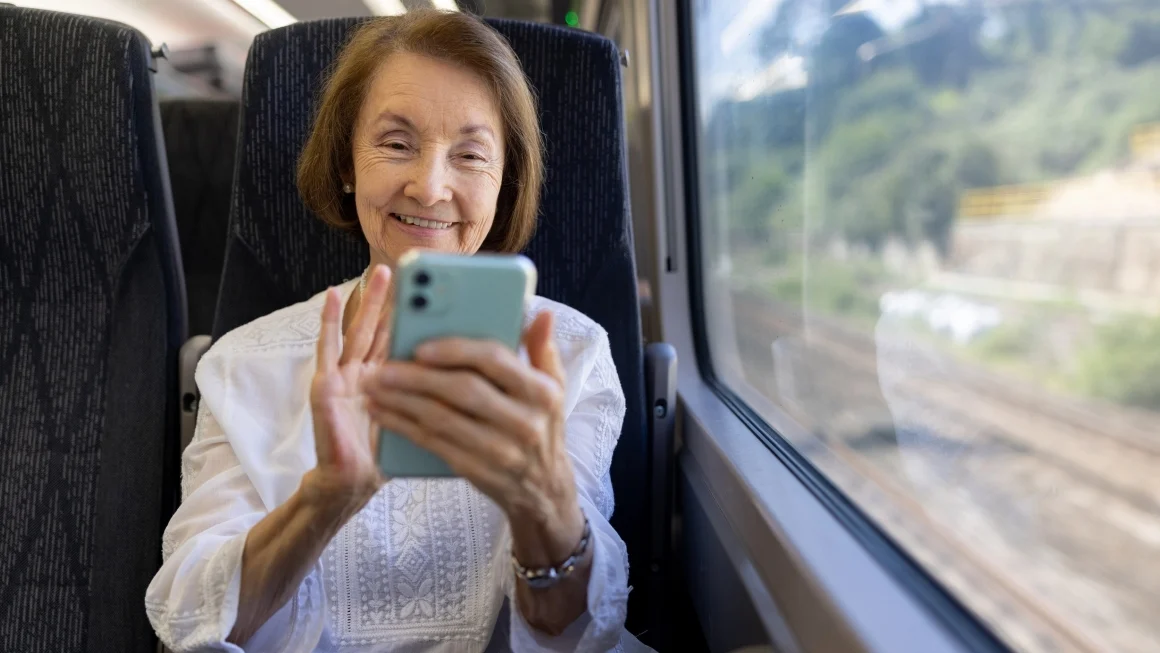
The global travel industry is witnessing a quiet but decisive shift: senior travelers are moving en masse to mobile platforms. Once reliant on brick-and-mortar agencies and paper itineraries, the silver market now accounts for a growing share of app-based bookings and trip management. This transition is less about chasing trends and more about eliminating the friction that has long complicated long-haul and multi-stop journeys.
Mobile channels now dominate travel search and booking across all demographics, but for older travelers the appeal is practical. Centralized apps like TripIt consolidate flight confirmations, hotel vouchers, and excursion tickets into a single interface, removing the need to juggle physical paperwork. Real-time navigation tools such as Google Maps provide dynamic street-level orientation and public transit updates, helping seniors navigate unfamiliar airports and city centers with confidence.
Hospitality embraces contactless convenience
Hotel groups are responding in kind. Marriott and Hilton have accelerated the rollout of contactless check-in and mobile room keys, allowing guests to bypass front-desk queues after long flights. This reduces physical strain and speeds up the arrival process—a key consideration for older travelers. Similarly, cruise lines like Royal Caribbean and Celebrity Cruises have introduced wearable devices and app-based boarding to streamline embarkation.
Beyond convenience, precision planning is becoming a hallmark of senior travel. AI-powered assistants such as GuideGeek process individual parameters—walking speed, mobility constraints, rest needs—to generate tailored daily schedules. Travelers can filter out strenuous routes, select landmarks with confirmed ramp or elevator access, and build in designated rest periods. Machine learning extends this to dining and activities, filtering by mobility limitations, food allergies, and health considerations.
Immersive tech eases travel anxiety
Travel anxiety, often rooted in unfamiliar environments, remains a barrier for safety-conscious older adults. Virtual and augmented reality applications now offer 360-degree previews of hotel rooms, cruise cabins, and destination sites before booking. Seniors can virtually walk through historic landmarks or urban terrain to assess gradient steepness, stair counts, and surface quality—making informed decisions with confidence.
Health monitoring is another differentiator. Modern travel platforms integrate with wellness software to track vitals and map nearby medical facilities. Instant messaging protocols provide 24/7 access to digital concierges and automated emergency dispatch, ensuring immediate response during weather disruptions, cancellations, or health incidents.
Yet digital adoption does not mean abandoning human touch. Hybrid models are emerging that pair app efficiency with personal support. Trip.com, for instance, combines its mobile platform with dedicated senior travel clubs and physical resource centers. This blend of digital and human reassurance is critical, as older travelers value the speed of technology but still seek the confidence of direct assistance.
As the industry adapts, the shift is not just about convenience—it's about accessibility. From urban travel trends to destination marketing strategies, the focus is on creating seamless experiences for all ages. For travel professionals, understanding this demographic's needs is no longer optional; it's a competitive imperative.
The silver traveler is not a niche—it's a growing force reshaping how the industry designs products, deploys technology, and delivers service. Those who adapt will capture a loyal and expanding market; those who don't risk being left behind.