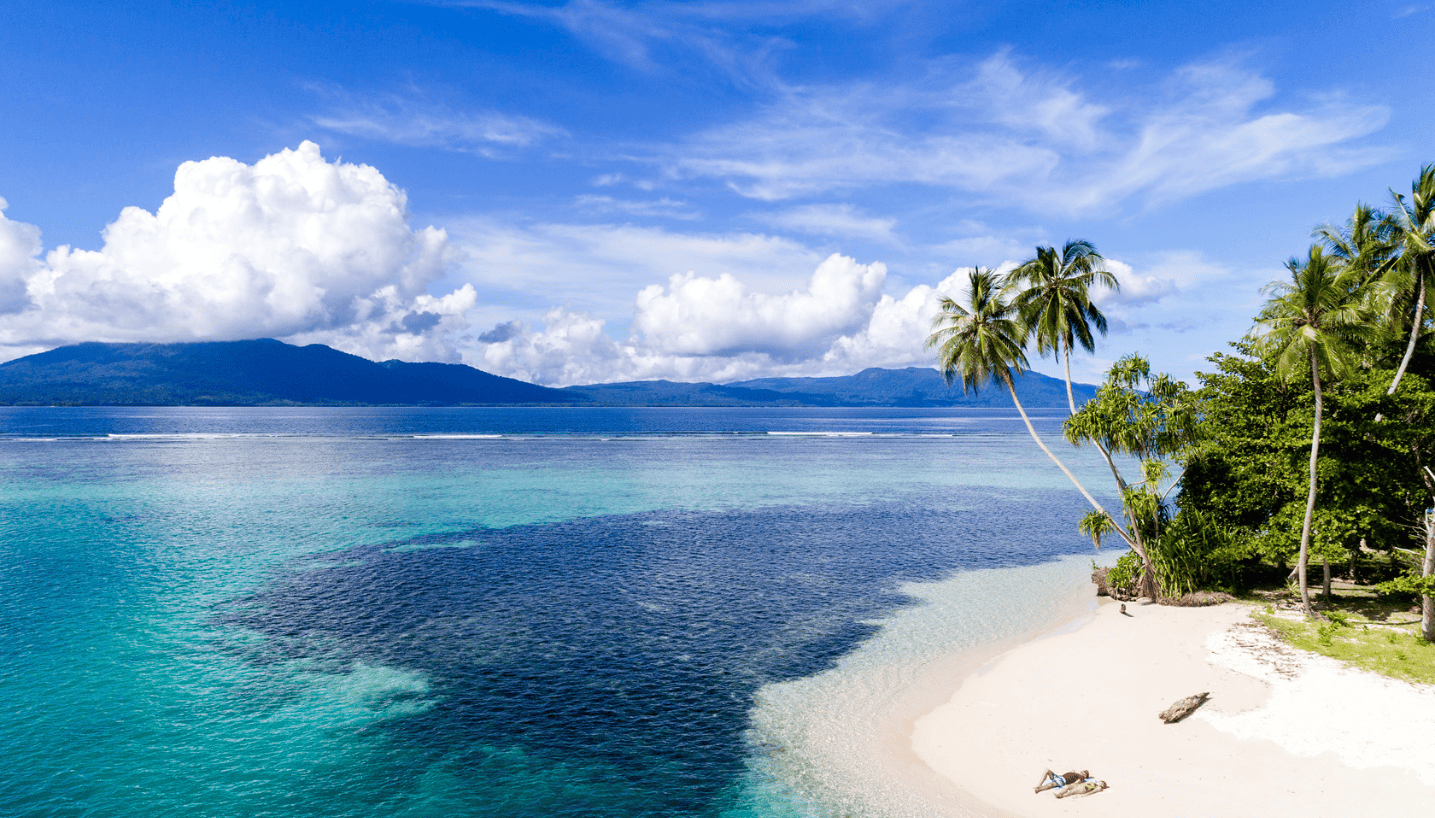
As global travelers increasingly seek alternatives to overcrowded, commercialized hotspots, the Solomon Islands is positioning itself as a deliberate counterpoint—a sprawling, 1,000-island archipelago that prioritizes niche, experience-driven tourism over mass-market appeal. Located just three hours from Australia’s east coast, the destination is leveraging its status as one of the South Pacific’s least-explored territories to attract adventure travelers, eco-conscious visitors, and cultural immersion seekers.
The Solomon Islands welcomed roughly 30,000 international visitors last year—a figure that underscores its commitment to low-volume, high-value tourism. The country’s tourism strategy centers on eco-lodges, community-run activities, and authentic encounters with nature and local traditions. There is no mass tourism infrastructure here, and officials say that is by design.
Adventure and Culture as Core Products
Trekking remains a key draw, with trails ranging from short coastal walks near the capital Honiara to multi-day expeditions like the two-day ascent of Kolombangara volcano in Western Province, which rises to 1,770 meters. The country’s dense jungle interiors, volcanic terrain, and remote waterfalls offer varied experiences for hikers of all skill levels.
Birdwatching is another growing segment. The Solomon Islands hosts over 330 bird species, 102 of which are endemic, including rare sightings such as the Black-faced Pitta, Fearful Owl, and Guadalcanal Moustached Kingfisher. Operators are increasingly packaging birding itineraries that span multiple islands, from Makira to Santa Cruz.
Diving remains a cornerstone of the destination’s appeal. The Solomon Islands sits within the Coral Triangle, the world’s most biodiverse marine region, and offers technicolor coral reefs, steep walls, and an extraordinary concentration of World War II wrecks. Iron Bottom Sound, site of the 1942–43 Battle of Guadalcanal, contains dozens of sunken warships and aircraft that have become artificial reefs. Many dive sites are within 15 to 30 minutes of Honiara. Liveaboard operators such as MV Bilikiki offer seven- to 14-night itineraries covering the Florida and Russell Islands, Marovo Lagoon, and Mary Island.
Fishing enthusiasts are drawn to the same waters, which teem with yellowfin tuna, marlin, sailfish, mahi-mahi, giant trevally, and Spanish mackerel. The country’s position within the Coral Triangle ensures exceptional marine biodiversity, supporting both deep-sea and reef fishing.
Surfing, too, is a niche product with significant potential. From November to April, northern Pacific swells create world-class reef breaks across the archipelago, particularly around Gizo in Western Province and Santa Isabel. Dedicated surf camps on Santa Isabel package accommodation, boat transfers, and meals, while ensuring that tourism income flows directly to local communities through locally-owned lodges and eco-retreats.
Cultural immersion is woven into the visitor experience through the concepts of kastom (traditional knowledge) and wantok (kinship ties), which shape village life and community-run tourism activities. The Solomon Islands’ tourism model is built on sustainability, respect, and long-term community benefit—principles that resonate with today’s experience-driven travelers.
For travel professionals, the Solomon Islands represents a case study in niche destination marketing. As travelers increasingly flee commercialized destinations—a trend highlighted in recent Gen Z luxury travel data from AmEx and Skyscanner—destinations that offer authentic, low-impact experiences are gaining traction. The Solomon Islands’ deliberate focus on eco-tourism and community benefit positions it well for this shift.
Industry stakeholders should note that the country’s tourism infrastructure remains limited, with most accommodations being small eco-lodges and community-run guesthouses. This presents both a challenge and an opportunity for tour operators and agents looking to develop bespoke itineraries for discerning clients. The destination’s appeal is strongest among divers, surfers, trekkers, birdwatchers, and history buffs—segments that value authenticity over luxury amenities.
As the global travel industry continues to grapple with overtourism, the Solomon Islands offers a blueprint for sustainable, niche-driven development. For now, the ‘Hapi Isles’ remain a well-kept secret—and that is exactly how they intend to stay.