South Korea's foodservice sector—encompassing hotels, restaurants, and catering (HoReCa)—recorded robust growth in 2023, reaching an estimated value of $146.7 billion, according to the USDA Foreign Agricultural Service. That marks an 8.3% increase from the prior year, driven primarily by a sustained rise in consumer spending on dining out. In 2024, out-of-home food expenditure climbed more than 6% compared to 2023, and a full 17% above 2022 levels. Dining out now represents nearly 15% of total household spending, with almost half of all food and beverage outlays directed toward the HoReCa channel.
Shifting Demands in Professional Kitchens
As the market expands, the expectations of foodservice operators are evolving. Restaurants and catering companies increasingly prioritize products that deliver consistent quality, reliable supply chains, and versatility in menu applications. This shift has fueled the rise of "cheapremium" offerings—items that combine affordability with high quality—which are now influencing menu development and procurement decisions across the sector.
The demand for professional-grade ingredients is also climbing, underscoring the need for stable sourcing. Notably, South Korea imported more than 30% additional poultry meat from the European Union in January and February 2026 compared to the same period in 2025, signaling a growing appetite for EU poultry among Korean foodservice buyers.
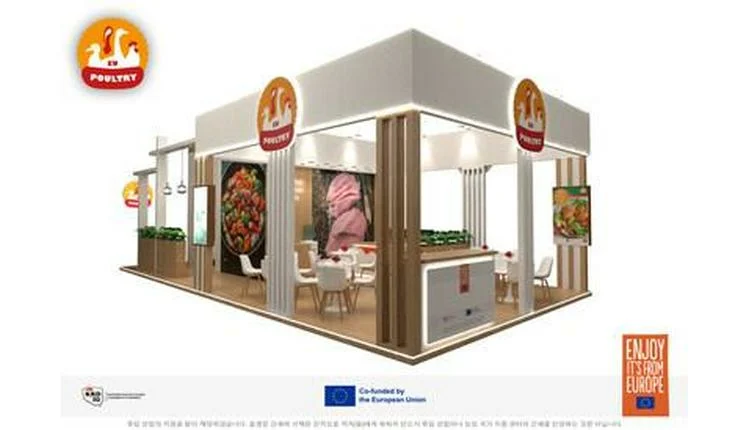
To capitalize on this trend, EU poultry producers will showcase their products at the Seoul Food & Hotel 2026 trade fair, scheduled for 9–12 June. Dariusz Goszczyński, President of the National Poultry Council in Poland, highlighted the event's importance: "This is a key opportunity to engage with partners and present European poultry as a modern foodservice solution." The European Poultry campaign, co-financed by the EU, aims to promote the quality and transparency of European poultry production to international buyers.
The HoReCa sector's growth also has implications for travel professionals. Hoteliers and cruise lines sourcing F&B for their properties and vessels can look to South Korea as a bellwether for shifting consumer preferences. The "cheapremium" trend, for instance, mirrors similar movements in other Asian markets, where travelers increasingly seek value without compromising on quality. For airlines and tour operators, understanding these dynamics can inform partnerships with local suppliers and menu planning for premium cabins or destination dining experiences.
Meanwhile, the broader hospitality landscape in Asia faces headwinds. As noted in our coverage of Southeast Asian hotel margins squeezed by fuel costs and labor shortages, operators across the region are grappling with rising operational expenses. South Korea's HoReCa growth, however, suggests that consumer demand remains resilient, offering a counterbalance to cost pressures.
For travel-tech vendors and GDS systems, the data underscores the importance of integrating F&B procurement tools that can handle complex supply chains. As Korean foodservice operators seek reliable sources for ingredients like EU poultry, platforms that streamline ordering and inventory management become critical. Similarly, MICE planners organizing events in Seoul can leverage the city's evolving foodservice landscape to offer attendees unique culinary experiences.
The European Poultry campaign's presence at Seoul Food & Hotel 2026 also highlights the role of trade fairs in connecting international suppliers with Asian buyers. Such events are vital for networking and deal-making, especially as the region's tourism and hospitality sectors continue to recover and expand.
In summary, South Korea's HoReCa boom reflects deeper shifts in consumer behavior and supply chain priorities. For travel industry stakeholders—from hotel F&B directors to airline catering managers—staying attuned to these trends is essential for capturing opportunities in one of Asia's most dynamic markets.