Switzerland's winter tourism is shaping up as a two-track story: the festive energy of its cities and the serene pull of its Alpine resorts. For travel professionals, the season offers a clear opportunity to package both experiences, and two properties are positioning themselves at the heart of that narrative.
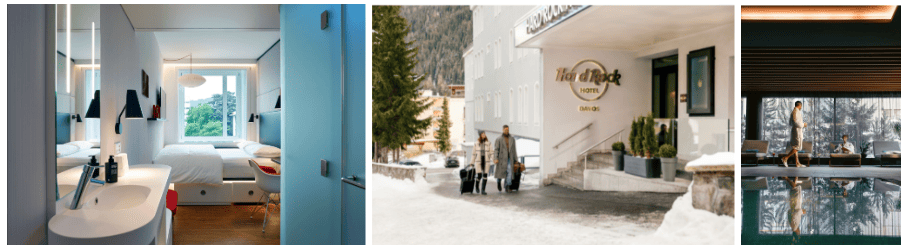
In Zurich, citizenM Zurich has doubled down on its Old Town location, putting guests within walking distance of the city's most celebrated Christmas markets. From 19 November to 24 December, the city transforms with markets at Zurich Main Station and Bellevue Noël, each featuring more than 100 stalls. The hotel's modern amenities—XL king-size beds, a 24/7 canteenM, and tech-forward rooms—cater to the short-break city traveller who wants convenience without sacrificing style.
For those seeking the mountains, Hard Rock Hotel Davos is set to reopen on 15 December 2026, blending Swiss alpine charm with the brand's signature rock-and-roll energy. Guests can unwind at the Rock Spa® or dine at Sessions restaurant, which serves both international and Swiss cuisine. The hotel also hosts live music performances and welcomes dogs, making it a flexible option for a range of winter getaways.
A tale of two winter experiences
These two properties highlight the breadth of Switzerland's winter offering. Zurich delivers a cultural, city-based festive experience, while Davos offers a high-altitude retreat with a lively social scene. For tour operators and travel agents, the pairing allows for multi-stop itineraries that capture both urban and alpine winter appeal.
The Zurich Christmas market circuit is a proven draw for international visitors. The market at Zurich Main Station is one of Europe's largest indoor Christmas markets, and Bellevue Noël adds a picturesque lakeside setting. citizenM's location in the Niederdorf district places guests amid the cobblestone lanes and historic buildings that define the city's festive atmosphere.
Davos, meanwhile, is known for its winter sports and the World Economic Forum, but the Hard Rock Hotel brings a different kind of energy. The property's reopening is timed for the peak ski season, and its combination of spa, dining, and live music is designed to appeal to a younger, experience-driven demographic. The hotel's dog-friendly policy also taps into the growing trend of pet-inclusive travel.
For hoteliers and destination marketers, the takeaway is clear: Switzerland's winter product is not monolithic. It spans from the bustling, culture-rich cities to the quiet, snow-covered Alps. By promoting both, the country can attract a wider range of travellers, from couples seeking a romantic city break to families looking for an active mountain holiday.
The broader trend of hotels turning to brand tie-ups for a festive-season edge is evident here. citizenM's lifestyle brand and Hard Rock's entertainment focus both offer something beyond a standard hotel stay. This approach resonates with travellers who want more than just a bed—they want an experience that reflects their interests.
As winter travel demand continues to evolve, Switzerland's dual offering provides a template for other destinations. By leveraging both urban and alpine assets, the country can maintain its appeal across different traveller segments. For agents and operators, the key is to package these experiences in a way that highlights the contrast—city lights versus mountain peaks, market mulled wine versus spa treatments.
With the winter season also ramping up in the Dolomites, the Alps remain a competitive landscape. Switzerland's advantage lies in its accessibility and the variety of experiences it can offer within a short distance. Zurich and Davos are connected by rail in under three hours, making a combined itinerary seamless.
For travel professionals, the message is to think beyond the single-destination winter break. Switzerland's strength is its ability to deliver two distinct holidays in one trip. Whether it's the festive buzz of Zurich's Christmas markets or the alpine serenity of Davos, the country is well-positioned to capture a share of the winter travel market.