The Tourism Authority of Thailand (TAT) used the inaugural Asia edition of CNN Global Perspectives, held at The Ritz-Carlton, Bangkok on 14 October, to position the kingdom as a high-value, wellness-led destination. The event, timed to coincide with the IMF and World Bank Group Annual Meetings, drew global leaders, investors, and policymakers, giving TAT a platform to pitch its evolving tourism model.
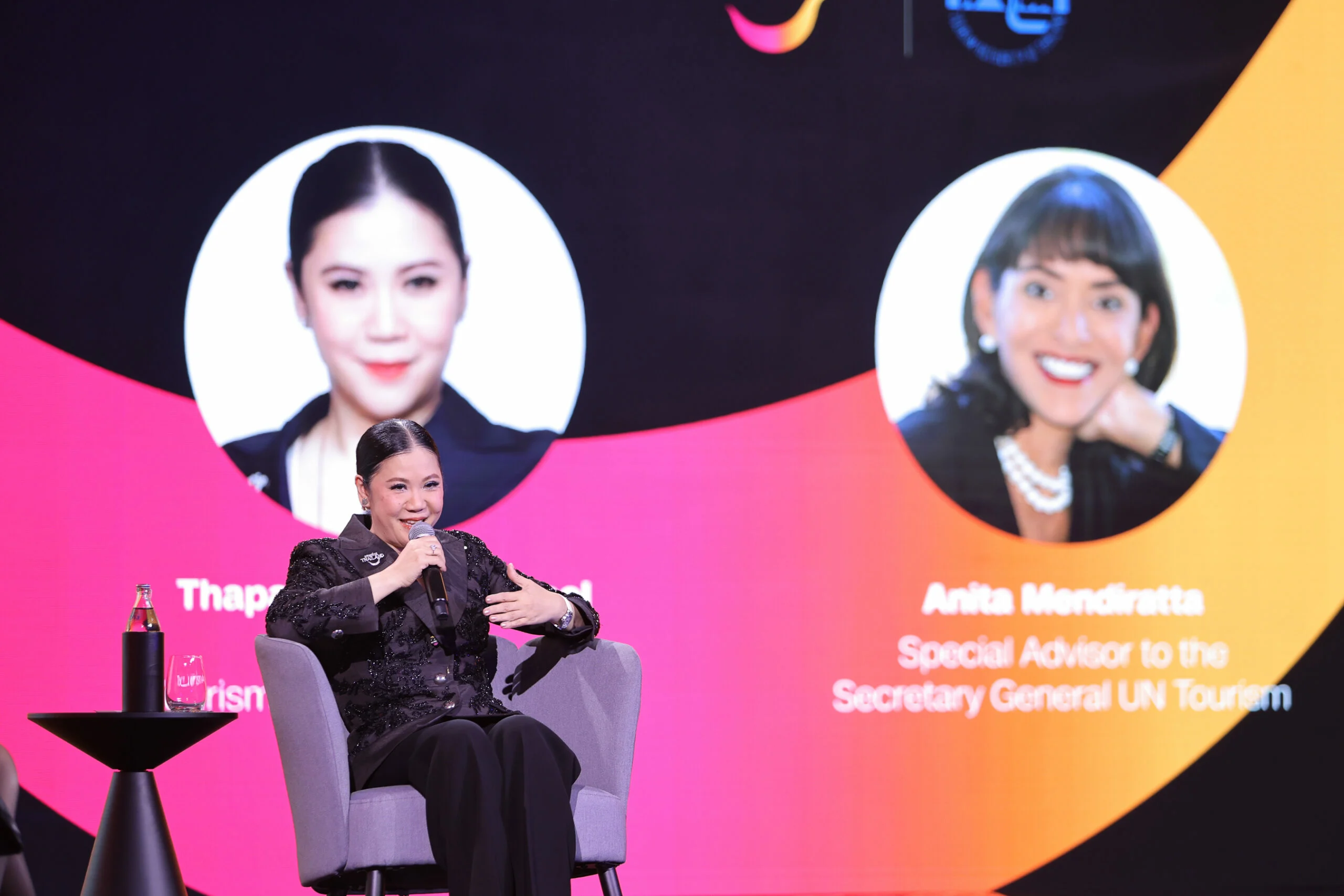
Governor Thapanee Kiatphaibool framed tourism as a driver of integrated growth, linking wellness, culture, business, and investment. "Through CNN's global platform, TAT presented Thailand not only as a leading tourism destination, but as a Global Wellness Destination offering meaningful experiences for travellers increasingly focused on physical and mental well-being," she said.
Value over volume
Thapanee reiterated TAT's shift from mass tourism to a value-over-volume approach, aiming for a 60:40 revenue split between major hubs and emerging destinations. In a discussion with Anita Mandarita, Special Adviser to the UN Tourism Secretary-General, she stressed the role of "Thai-ness" in differentiating the visitor experience. "Our Visitor Economy direction looks beyond arrivals towards meaningful and distinctly Thai experiences," she noted.
The strategy aligns with TAT's "Amazing 5 Economy" plan, which seeks to spread tourism's economic benefits more evenly across the country. This includes promoting secondary cities and rural areas, while leveraging Thailand's strengths in wellness and hospitality.
Central to the pitch is the "Healing is the New Luxury" concept, which positions Thailand as a hub for mindfulness, traditional healing, and modern healthcare. The initiative taps into growing global demand for wellness travel, a segment that has seen sustained growth post-pandemic. For travel professionals, this signals opportunities in spa resorts, medical tourism packages, and cultural immersion itineraries.
The event also featured Thailand's Prime Minister Anutin Charnvirakul and DBS Group CEO Tan Su Shan, underscoring the intersection of tourism with broader economic and geopolitical themes. For agents and operators, the takeaway is clear: Thailand is courting higher-spending travellers who prioritise well-being and authentic local experiences over sheer arrival numbers.
Thailand's push comes as the Asia-Pacific region drives global travel spending, with the WTTC recently reporting that the region now accounts for a significant share of the $2 trillion global market. TAT's strategy is designed to capture a larger slice of that spending by differentiating the country's offering.
For hoteliers and cruise lines, the wellness angle opens new product development avenues, from spa-focused resort packages to wellness-themed cruises along Thailand's coast. The emphasis on emerging destinations also suggests potential for new route development and ground transport links to secondary cities.
As the travel industry increasingly competes for high-yield travellers, Thailand's repositioning as a wellness destination could serve as a model for other tourism boards. The country's blend of cultural heritage, modern healthcare infrastructure, and natural assets gives it a competitive edge in the wellness niche.