Thai travelers are reshaping holiday planning around marathon events, according to new data from digital travel platform Agoda. The company reports a sharp uptick in accommodation searches for key race weekends in 2026, pointing to a growing intersection of fitness and tourism that travel professionals should note.
Marathon-Driven Travel Gains Momentum
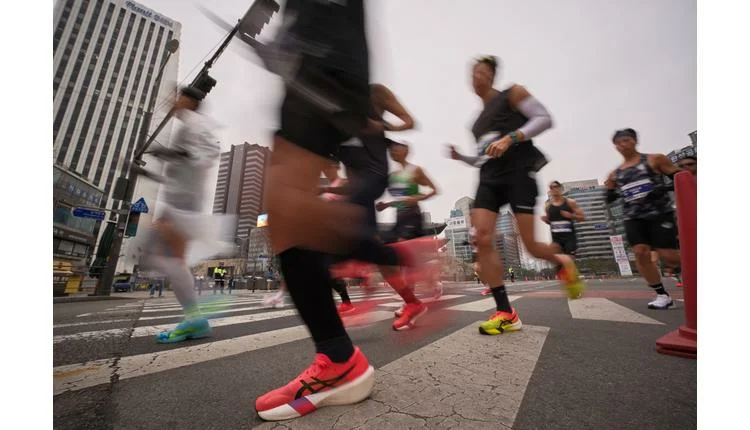
Agoda's search data reveals that the JTBC Seoul Marathon, scheduled for 1 November 2026, saw a 73% increase in queries from Thai users compared to the previous year. The race, which winds through scenic routes in Seoul, also draws participants from Japan, Singapore, Taiwan, Malaysia, and the Philippines. Similarly, the Mt. Fuji International Marathon, set for 12–13 December 2026, experienced a 41% rise in interest from Thai travelers, placing Thailand among the top three source markets for that event.
Closer to home, the Amazing Thailand Marathon Bangkok, taking place 28–29 November 2026, recorded a 19% increase in searches. This event is attracting growing international attention, with interest from the Philippines, Singapore, Japan, and Taiwan.
“Marathons used to be a solo pursuit, but are now becoming the centrepiece of a trip for some travellers. Thai travellers are among the most active across the region's top races, reflecting a broader appetite for travel built around personal goals and wellness,” said Akaporn Rodkong, Country Director for Thailand and Indochina at Agoda.
This trend aligns with a broader industry shift toward experiential and wellness-focused travel. For airlines, hoteliers, and tour operators, the rise of the “run-cation” presents opportunities to package race entry fees with flights, accommodation, and local experiences. For example, carriers like Thai Airways and Singapore Airlines could offer bundled fares for marathon participants, while hotel groups such as Accor and Marriott might create race-day packages with early breakfasts and late checkouts.
Agoda's data underscores the importance of destination marketing around major sporting events. The JTBC Seoul Marathon, in particular, has become a magnet for regional travelers, and its search surge suggests that Seoul's tourism board could leverage this momentum through targeted campaigns. Similarly, the Mt. Fuji International Marathon benefits from its iconic setting, appealing to runners seeking both a physical challenge and a scenic backdrop.
Travel technology vendors should also take note. Platforms like Amadeus and Sabre could integrate race calendars into their booking systems, enabling agents to offer tailored itineraries. Meanwhile, destination management companies might design pre- and post-race tours, capitalizing on the extended stays that marathon travelers often take.
The trend is not limited to Thailand. Across Asia, marathon tourism is gaining traction, with events in Japan, South Korea, and Singapore drawing international crowds. For travel professionals, the key takeaway is clear: fitness-focused travel is no longer a niche but a growing segment that demands targeted products and marketing.
Agoda continues to support this trend by offering a wide range of accommodation and travel options for marathon enthusiasts. As the run-cation phenomenon expands, industry players who adapt quickly will be best positioned to capture this motivated and loyal traveler base.