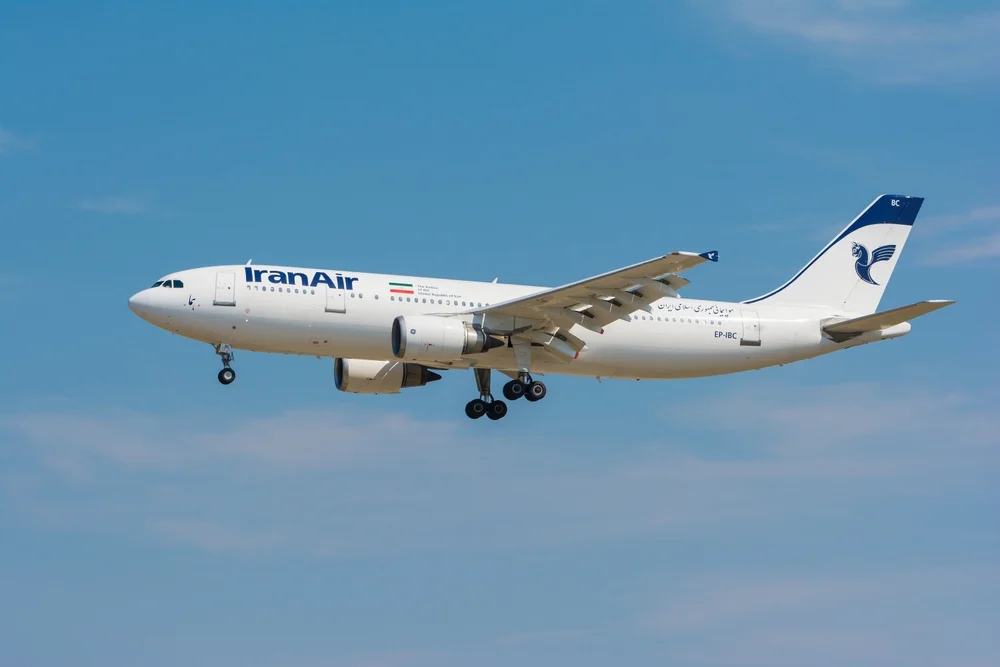
The United Arab Emirates has suspended flights operated by Iranian airlines, a decision that injects fresh uncertainty into the country's tourism recovery just as Dubai and Abu Dhabi prepare for the lucrative winter season. The General Civil Aviation Authority (GCAA) announced the measure on September 24, citing US restrictions on Iranian carriers using international airports. The suspension is effective immediately and remains in place until further notice.
Importantly, the move does not halt all air traffic between Iran and the UAE—only flights by Iranian carriers are affected. That distinction matters for travel agents and tour operators managing bookings between the two markets, who must now rework itineraries and seek alternative routings. The GCAA has said it will provide updates as the situation evolves, with the official announcement carried by the Emirates News Agency (WAM).
Dubai's recovery faces another test
The timing is awkward for the UAE travel industry. Demand had been clawing back from the sharp downturn that followed the escalation of the Iran conflict earlier this year, and the coming winter months were seen as a critical window for rebuilding momentum. Dubai welcomed 869,000 international overnight visitors in August, its strongest monthly figure since the conflict began in late February. Hotel occupancy, which had plunged to 36% in March, recovered to 66% in August. In the first eight months of 2026, Dubai recorded 6.97 million international visitors.
Those numbers show a market regaining ground, but they remain below pre-disruption levels. The October-to-March period is especially vital for Dubai's hotels, attractions, tour operators and destination management companies, when cooler weather drives leisure demand and the events calendar accelerates. Iran is just one source market, but its commercial footprint extends well beyond leisure travel. Dubai has long served Iranian business travellers and families, whose spending flows into hotels, retail, restaurants and other tourism businesses. For agents, the immediate practical impact is clear: fewer airline options can mean rebookings, alternative routings and potentially higher fares where capacity tightens.
Wider regional airline shifts
The suspension comes against a backdrop of broader changes to airline operations in the region. Several foreign carriers had already postponed the restoration of UAE services, including Air France, SWISS, KLM and ITA Airways. Yet there has been progress. Dubai Airports CEO Paul Griffiths said airline capacity at Dubai International had recovered to about 84% of earlier levels, while passenger volumes stood at 78%. Emirates was operating at around 93% of its pre-disruption capacity in July and August.
For tourism businesses, however, the issue is not simply the number of seats returning to the market. It is whether operators can plan several months ahead with reasonable certainty. That question is particularly acute for hotels and the MICE sector. International conferences, exhibitions and incentive groups are contracted months in advance, often with participants arriving from multiple markets. Changes in connectivity can affect attendance, group pricing and the willingness of organisers to commit early. Leisure travellers are more flexible, but uncertainty can encourage shorter booking windows and make multi-country Middle East itineraries harder to sell.
The UAE is better placed than many destinations to absorb such pressure. Emirates, Etihad Airways, flydubai and Air Arabia give the country extensive international reach, while strong domestic and GCC demand provides hotels with an additional source of business during softer periods. Still, the winter season will offer a clearer measure of how quickly international demand is returning. The suspension of Iranian airline services is unlikely on its own to determine the UAE's tourism performance. The greater commercial concern is whether geopolitical uncertainty begins to influence booking behaviour beyond the directly affected Iran-UAE market.
For hotels, DMCs, tour operators and event organisers, attention will now turn to forward bookings through the final quarter of 2026 and into early 2027. If international demand continues to strengthen, the UAE can carry its August recovery into its most important tourism months. If traveller caution persists, the winter season may prove a slower rebuild than the industry had expected. As the region navigates these headwinds, other carriers are also adjusting their networks—Alaska Airlines is boosting capacity at Paine Field, while Philippine Airlines is targeting India with new nonstops—but for the UAE, the immediate focus remains on restoring confidence and sustaining the recovery into the peak season.