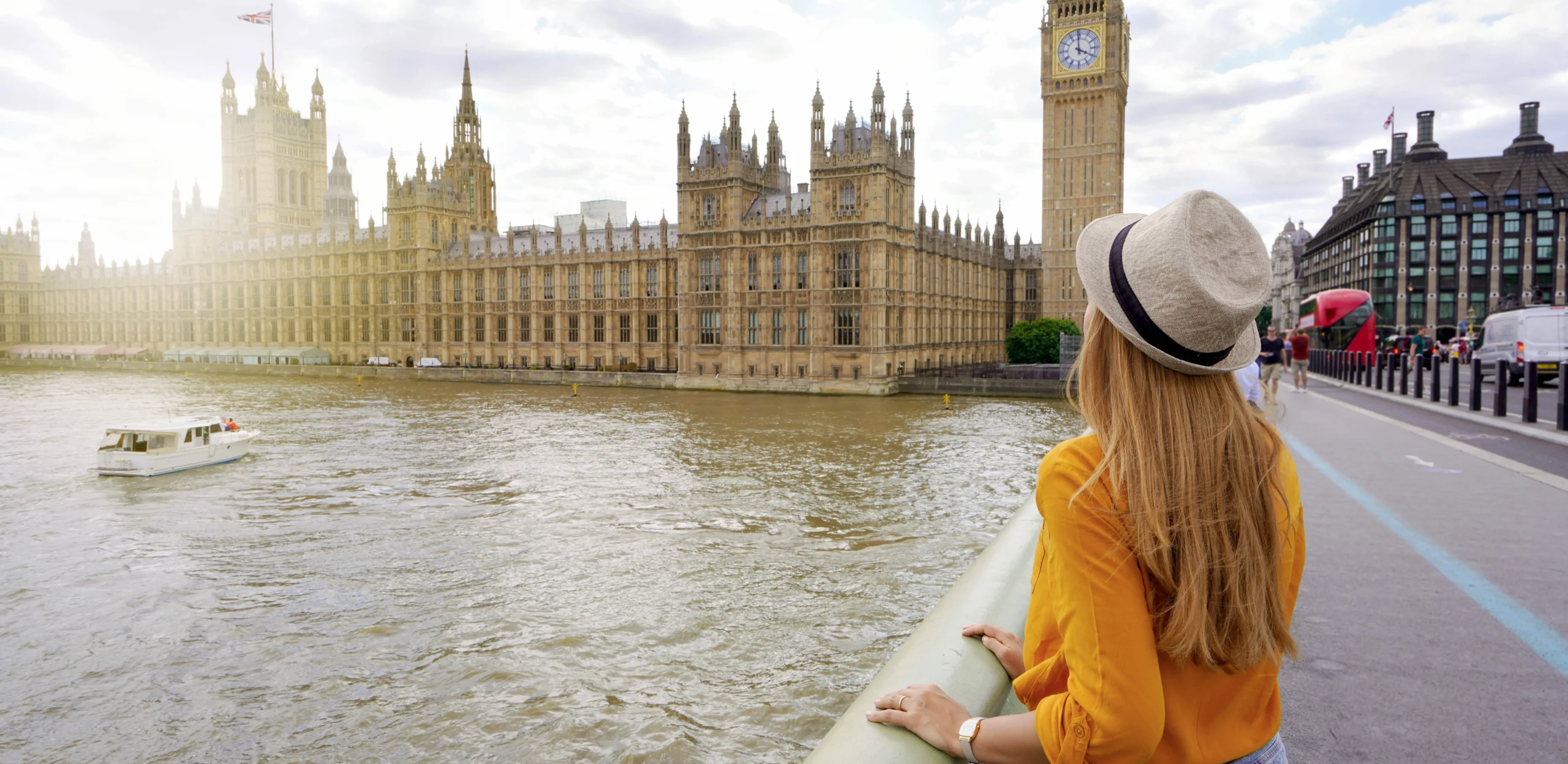
The United Kingdom welcomed a record 4.5 million international visitors in July, according to data released by the Office for National Statistics (ONS). The figure marks a 20% increase compared with the same month in 2024, underscoring a robust recovery in inbound tourism after the pandemic-induced slump.
The surge is attributed to the continued easing of travel restrictions, the reopening of major attractions, and a broader rebound in global travel demand. Airlines and airports across the UK, including Heathrow, Gatwick, and Manchester, have reported strong passenger volumes, with transatlantic routes and services from Asia and the Middle East performing particularly well.
Industry response and outlook
VisitBritain, the national tourism agency, welcomed the numbers as evidence of the UK's enduring appeal. "These figures demonstrate the resilience and attractiveness of the UK as a top-tier destination," said a spokesperson. The agency has been actively promoting the country's cultural heritage, diverse landscapes, and world-class events to lure visitors from key source markets such as the United States, China, and Gulf nations.
The ripple effect of this influx is being felt across the hospitality sector. Hoteliers in London, Edinburgh, and Manchester report high occupancy rates, while restaurants, retail outlets, and tour operators are seeing increased footfall. The British Hospitality Association noted that the boost is providing a much-needed economic uplift, particularly for businesses that rely on international visitors.
Transport networks are also benefiting. Rail operators like LNER and Avanti West Coast have seen higher ticket sales on leisure routes, while car rental firms and coach tour companies report strong demand. The UK's major airports have handled the surge with improved efficiency, though some industry observers point to ongoing challenges such as staff shortages and air traffic control constraints.
Looking ahead, the tourism sector is optimistic about sustaining this growth. VisitBritain plans to enhance visitor experiences by promoting lesser-known destinations, such as the Lake District, Cornwall, and the Scottish Highlands, to spread the economic benefits beyond the capital. The agency is also focusing on sustainable travel initiatives and digital innovation to attract a new generation of travellers.
However, industry experts caution that the recovery is not without risks. Global economic uncertainty, fluctuating exchange rates, and potential geopolitical tensions could dampen future growth. The UK's visa policies and border processing times remain a concern for some markets, particularly India and China, where competition for tourists is intensifying. As other destinations adjust their strategies, the UK must remain competitive.
The record July figures are a positive signal for the broader travel industry. They align with trends seen elsewhere, such as Queenstown Airport's strong performance and the record B2B growth at ITE HCMC, indicating a global rebound in travel demand. For UK tourism stakeholders, the focus now shifts to maintaining momentum through the autumn and winter seasons, with an eye on major events like the 2026 FIFA World Cup qualifiers and the Edinburgh Festival.
As the industry continues to recover, the emphasis remains on safety, sustainability, and ensuring a welcoming environment for all visitors. With the right policies and continued collaboration between public and private sectors, the UK is well-positioned to build on this success.