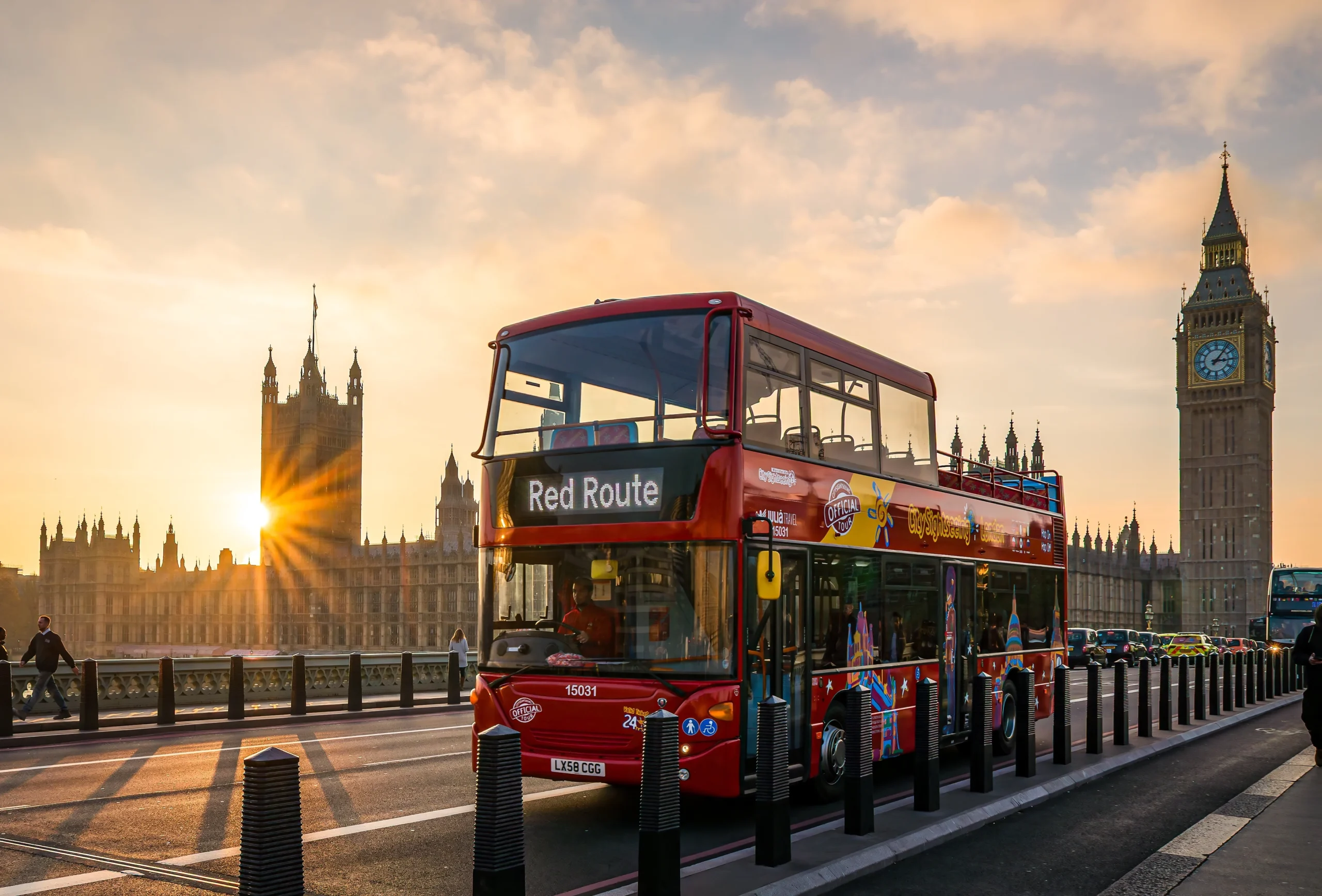
The UK government has moved to hand mayors and local leaders in England the authority to introduce an overnight visitor levy on hotels, holiday lets, B&Bs and other short-stay accommodation. Announced on 10 September, the measure would let destinations set a charge calculated as a percentage of the accommodation bill rather than a flat rate. The stated aim is to channel new revenue into high streets, public transport, events and other local services that benefit both residents and tourists.
For the travel trade, the announcement sharpens a long-simmering question: how much more can the UK pile onto the cost of a visit before it loses ground to rival destinations? The existence of a tourist tax is not itself the issue—many major markets already have one. The concern is the cumulative burden, especially if different English cities adopt different rates, creating a patchwork of charges that complicates pricing for tour operators and travel agents.
A growing cost of entry
The levy lands at a moment when the price of simply entering the UK is climbing. From April 2026, the standard six-month visitor visa rises from £127 to £135, longer-term visitor visas have also gone up, and the UK's electronic travel authorisation (ETA) has increased from £16 to £20, according to the Home Office. Individually these are modest sums, but for travellers comparing destinations—families, repeat visitors, and price-sensitive segments—the total cost and convenience of a trip increasingly shape the decision.
The World Travel & Tourism Council (WTTC) has warned that uncapped local levies could make the UK less competitive and divert visitors and spending to other markets. Its research found that 29% of travellers from the US, France and Germany would consider another destination or drop the trip altogether if faced with a €10 visitor tax. Among UK residents, 39% said they would holiday abroad or skip a domestic break under a £10 charge. WTTC estimates that such a scenario could cut international visitor spending by £14.4 billion in 2027.
That impact would ripple well beyond hotel bills. International visitors spend across the wider visitor economy—restaurants, attractions, retail, transport, entertainment. If higher costs discourage some travellers, the knock-on effect can hit local businesses far beyond the accommodation sector.
The VAT debate
Hospitality operators argue the UK already carries a heavier tax load than many European competitors. UKHospitality has urged mayors considering a levy to back a cut in hospitality VAT to 10%, pointing out that France, Spain, Germany and Italy generally apply lower rates to the sector. The trade body is also calling for a statutory 5% cap on any visitor levy. Its argument: if Britain wants to follow international examples by introducing tourist taxes, it should also consider the wider tax environment in which hotels, restaurants and attractions operate.
There is, of course, a legitimate case for giving destinations more control. Tourism puts pressure on local infrastructure, particularly in busy cities and visitor hotspots. If the levy is invested transparently in transport, public spaces, events and destination management, visitors could ultimately benefit from the money they contribute. The government says the percentage-based model will also make the charge proportionate to the cost of the stay, so those in lower-cost accommodation pay less.
The real question, then, is less about whether visitors should contribute and more about how the system is designed, communicated and used. For Britain, timing matters. International travellers have more choice than ever, and destinations compete not only on attractions and experiences but also on price, convenience and ease of access. A visitor may not decide against Britain because of a £10 levy alone, but when that levy is added to accommodation costs, VAT, transport, visa or ETA fees and the general cost of a UK holiday, the overall proposition begins to weigh.
That is where the debate moves beyond taxation. For the travel industry, the true measure of a visitor is not the amount collected at the border or added to a hotel bill—it is the economic value generated throughout the trip, from the hotel and restaurant to the taxi, attraction, retailer and local business. Britain may be right to ask visitors to contribute towards the destinations they enjoy, but as more costs are placed on travellers, policymakers will need to consider the other side of the equation: whether making Britain more expensive could ultimately make it less competitive. The challenge is to find a level of taxation that funds better destinations without pricing the visitor out of them.
For travel professionals watching the UK market, the levy debate echoes similar conversations elsewhere. Destinations from Japan's surging Australian arrivals to Singapore's Sentosa redevelopment are all weighing how to balance revenue and appeal. The UK's move will be closely watched as a test case for whether visitor levies can fund better destinations without undermining their competitiveness.