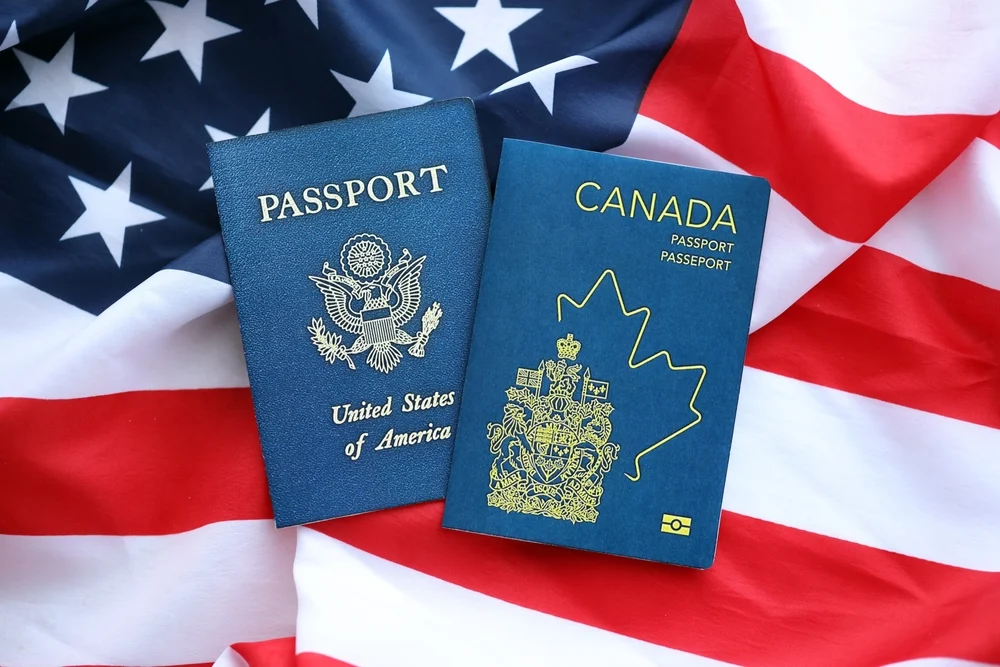
US destinations are shifting from standard destination marketing to tactical recovery as Canadian travel demand slumps amid political friction. With Canadians historically the largest source of international visitors, the drop has hit border states, Florida, California, Nevada and major cities hard. In response, tourism boards are rolling out discounts, Canadian-dollar promotions and a fresh push to engage travel trade partners.
Sharp decline in Canadian arrivals
Statistics Canada reports that Canadian-resident return trips from the US fell 25.4% in 2025 compared with the previous year, when Canadians made about 39 million such trips. The slide continued into 2026: first-quarter trips involving a US visit totalled 5.5 million, down 10.6% year on year, while spending dropped 13.6% to C$5 billion.
There are tentative signs of stabilisation—Canadian travel to the US rose year on year in August, but remained roughly 27% below August 2024 levels. For US operators, that gap represents business that may be shifting to other destinations permanently.
Discounts replace the usual pitch
New York State has launched its “NY Loves Canada” campaign, while New York City introduced the “Northern Neighbour Deal,” offering discounts of up to 30% at participating hotels and attractions. The city expects about 820,000 Canadian visitors in 2026, down from roughly one million pre-pandemic, according to Global News.
Vermont, heavily reliant on Canadian drive traffic, is running “100% Love for Canada,” with discounts reaching 50%. Las Vegas is tackling the exchange rate with “Vegas on Par” promotions, giving eligible Canadians US$1 of value for C$1 on selected accommodation, dining and beverages.
“The exchange rate is a real barrier,” said a Las Vegas tourism official. “We need to make the value proposition clear.”
Travel trade becomes part of the recovery
Price promotions alone won't rebuild the market, so US tourism bodies are turning to travel advisors, tour operators and airline partners. Brand USA is taking its Travel Week platform to Canada for the first time in October, with events in Toronto and Montreal, expanding on its Canada Connect initiative.
Las Vegas Convention and Visitors Authority president and CEO Steve Hill told the Associated Press during a Vancouver industry visit: “We’re here to make sure you know that we care about Canada.”
For the B2B market, this approach could prove more effective than another ad campaign. Advisors can package accommodation, attractions and air capacity around value, giving destinations a distribution channel to travellers who may need extra persuasion.
The bigger risk: new travel habits
Canadian demand hasn't disappeared—it has shifted. Statistics Canada data show Canadian trips to Asia rose 16.7% in 2025, while travel to Europe increased 13.6%, as reported by The Washington Post. That's the long-term concern for US destinations. A family that swaps Florida for Mexico or Europe may return when tensions ease, but a traveller who discovers a preferred alternative may not.
The tourism industry can work on price, packaging and welcome, but it cannot control Washington. That leaves US destination marketers with an unusual recovery challenge—not rebuilding after a recession or pandemic, but repairing a travel relationship shaped partly by politics, while competitors stand ready to capture the spending that crosses another border instead.
For more on how destinations are adapting to shifting travel patterns, see our coverage of skip-gen travel trends in Asia and secondary destinations gaining ground.