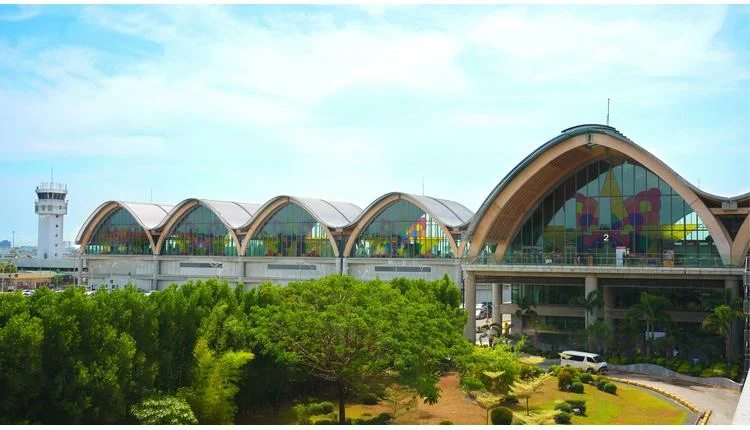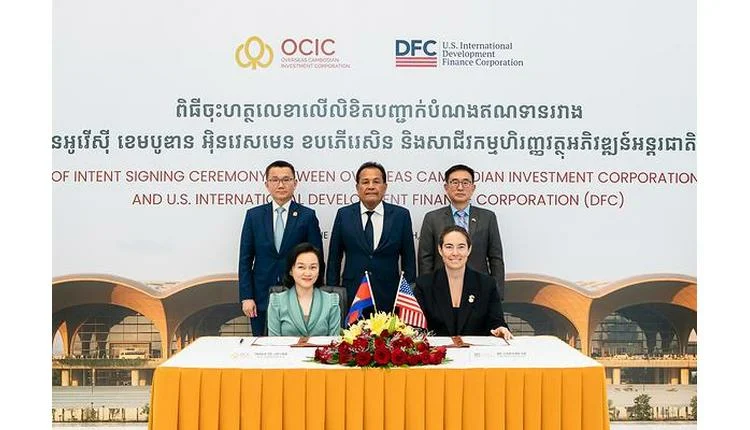
The US International Development Finance Corporation (DFC) and the Overseas Cambodian Investment Corporation (OCIC) have formalized a Letter of Intent (LoI) for a $100 million strategic financing agreement to support the development of Techo International Airport in Cambodia. This infrastructure project is poised to become a key aviation hub in Southeast Asia.
The LoI was signed by Pung Carolyne, Vice Chairperson of OCIC, and Caroline Vik, Chief Policy Officer of DFC. Pung Carolyne emphasized that the financing reflects confidence in Cambodia's economic trajectory and the airport's role as a gateway for trade, tourism, investment, and regional connectivity. Caroline Vik expressed optimism about future collaborations, stating, "We hope this is the first of many projects that we do together."
Project Details and Recognition
Techo International Airport has already garnered international acclaim, being recognized by Skytrax and named among the world's most beautiful airports by Prix Versailles. These accolades underscore its potential as a major aviation hub, attracting airlines and passengers from across the region.
The financing agreement also strengthens ties between Cambodia and the US, with OCIC's ongoing collaborations with American firms such as General Electric and Ford. This partnership is expected to enhance Cambodia's connectivity with global markets, fostering sustainable economic growth and attracting international investment.
The LoI emphasizes adherence to international governance, transparency, and environmental standards, ensuring the project meets global best practices. This is particularly relevant for travel professionals, as the airport's development will likely influence route planning and tourism flows in the region.
For context, similar infrastructure developments in the region, such as the Bangkok Airways transformation into an integrated aviation services group, highlight the growing importance of airport infrastructure in Southeast Asia. Additionally, the TajSATS inflight kitchen at Noida International Airport demonstrates the ancillary services that support such hubs.
The financing is a significant step for Cambodia's aviation sector, which has seen increased interest from international carriers. The airport's development could also complement initiatives like the IndiGo airport transfer service, enhancing passenger connectivity.
As the project progresses, travel professionals should monitor its impact on regional air travel dynamics, including potential new routes and increased tourism. The collaboration between DFC and OCIC sets a precedent for future infrastructure investments in the region.