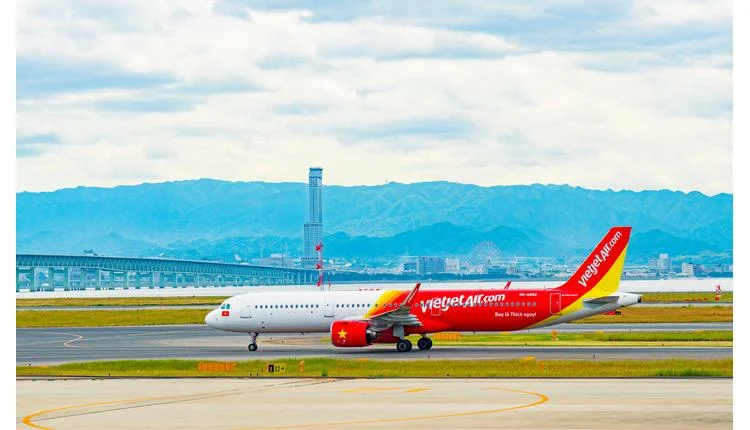
Vietjet has confirmed it will launch a new non-stop service linking Da Nang and Osaka, with the first flight scheduled for 20 December 2026. The announcement came during Vietnamese General Secretary and President To Lam's official visit to Japan, underscoring the political and economic significance of the route.
The carrier will operate four round-trip flights per week on Tuesdays, Thursdays, Saturdays, and Sundays, using Airbus A321 aircraft. This schedule is designed to cater to both leisure and business travellers, offering convenient connections between central Vietnam and Japan's Kansai region.
Strategic boost for bilateral tourism
The new route is expected to strengthen air connectivity, stimulate visitor flows, and encourage deeper cooperation between enterprises and local authorities in both countries. Da Nang, a coastal hub known for its beaches and resorts, and Osaka, a commercial and cultural centre, are both key gateways to wider regional networks. The service aligns with the Vietnam–Japan Tourism Cooperation Year 2027–2028, a bilateral initiative aimed at promoting mutual tourism and cultural exchange.
Vietjet's expansion into Japan began in 2018, and the airline now operates 138 flights weekly across 22 routes between Vietnam and six major Japanese cities, including Tokyo, Osaka, and Nagoya. It also offers charter services to destinations such as Fukushima and Sapporo, demonstrating its commitment to the Japanese market.
Vietjet CEO Nguyen Thanh Son highlighted the role of tourism in fostering cultural understanding, stating: “Vietjet is proud to contribute to this journey by expanding air connectivity between our two countries.”
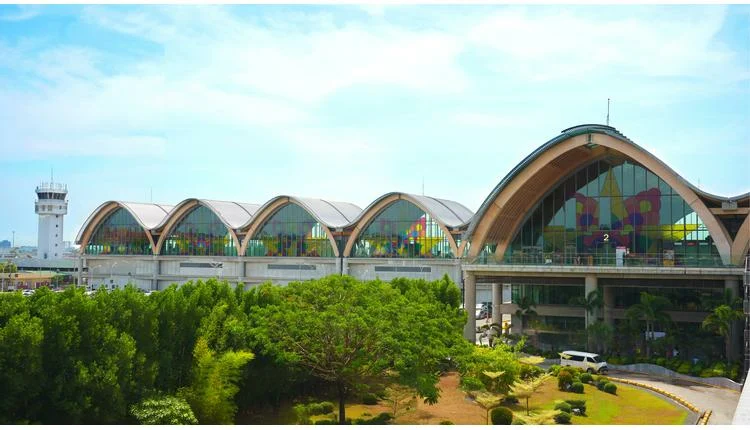
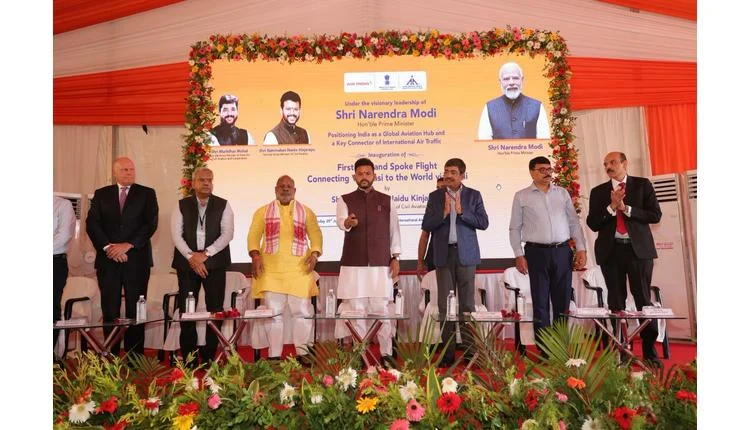
The Da Nang–Osaka route is part of a broader trend of growing air links across Asia, as carriers respond to rising demand for intra-Asia travel. Similar developments include Air India's recent non-stop flights that have cut travel times to New York, and Mactan-Cebu Airport's push to become a multi-island gateway in the Philippines.
For travel professionals, the new service offers additional inventory for Japan-bound tour packages and corporate travel from central Vietnam. Osaka's role as a major MICE destination and its proximity to Kyoto and Nara make it an attractive option for incentive groups and business events. Agents can also leverage the route to create combined itineraries featuring both Da Nang and the Kansai region.
Vietjet's move comes as the airline continues to expand its international network, with a focus on high-demand Asian corridors. The carrier's low-cost model, combined with its growing route map, positions it well to capture both price-sensitive leisure travellers and cost-conscious business passengers.
The announcement also reflects broader efforts by Vietnamese and Japanese authorities to deepen economic ties, with tourism playing a central role. As the 2027–2028 cooperation year approaches, more initiatives are expected to support travel between the two nations.
For hoteliers and destination management companies in Da Nang, the new flights are likely to boost arrivals from Japan, a key source market for the city's luxury resorts and cultural attractions. Similarly, Osaka's tourism board will welcome the additional capacity from Vietnam, which has become an increasingly important market for Japanese tourism.
Vietjet's commitment to the Japanese market is evident in its frequency and route diversity. With the addition of Da Nang–Osaka, the airline now offers more than 140 weekly flights to Japan, reinforcing its position as a leading carrier in the Vietnam–Japan corridor.
Travel agents and tour operators should monitor the route's launch and consider incorporating it into their 2027 product lines. Early booking incentives and promotional fares are likely to be introduced, as Vietjet typically offers competitive pricing on new routes.
As the travel industry continues to recover and expand, such direct connections are vital for sustaining growth in both leisure and business travel. The Da Nang–Osaka service is a clear example of how airlines are responding to evolving demand patterns and government-backed tourism initiatives.