W Kuala Lumpur is rewriting the script for urban hospitality in Southeast Asia. Rather than a checklist of amenities, the property offers a narrative-driven experience that blends Malaysian heritage with contemporary design, curated nightlife, and culinary storytelling. For travel professionals—from airline executives to tour operators—this signals a shift in how luxury hotels can differentiate themselves in a competitive market.
Design as a Cultural Canvas
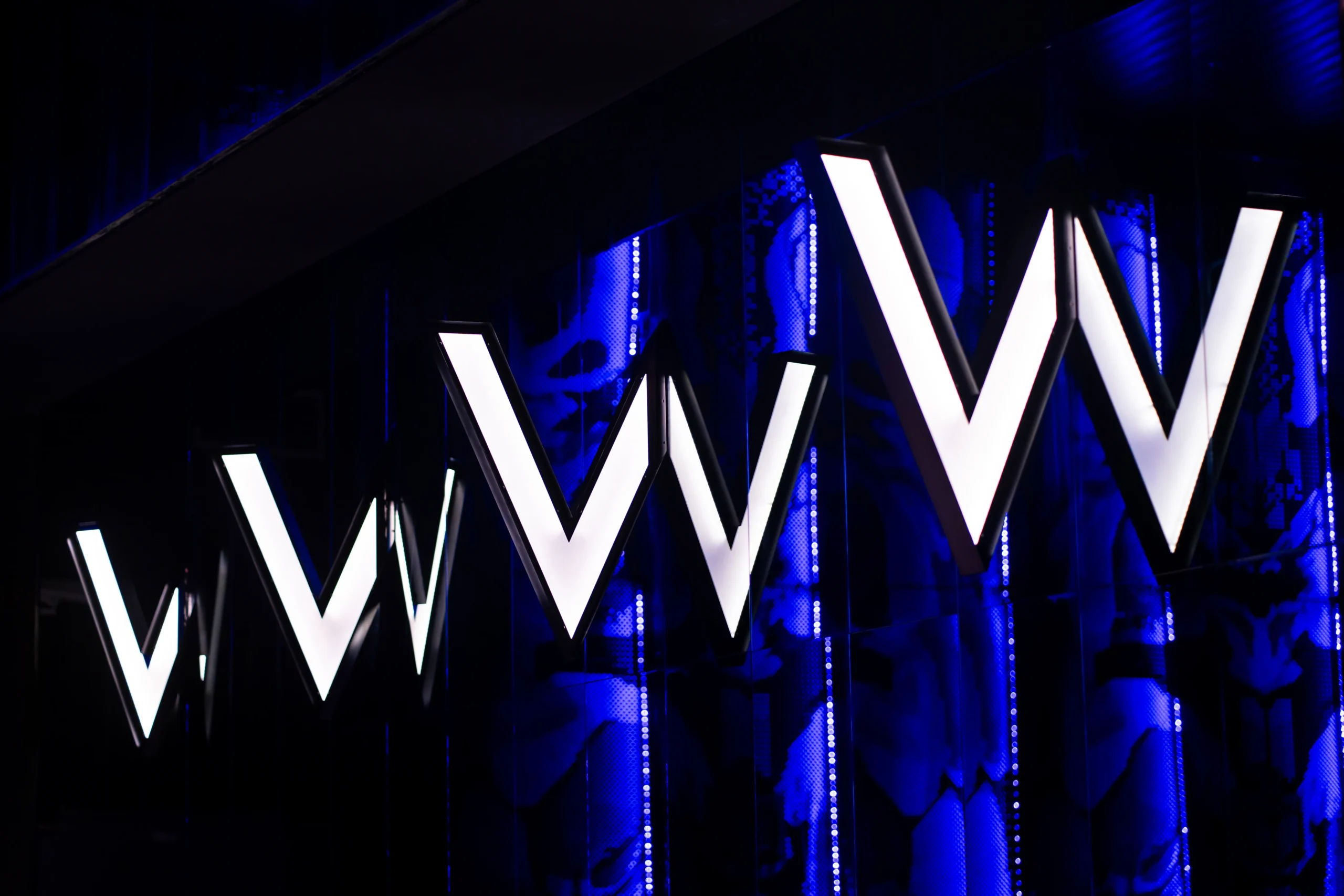
The hotel’s public spaces are a deliberate fusion of old and new. Batik motifs appear on contemporary forms, bamboo textures contrast with digital LED panels, and chandeliers inspired by traditional Malay gasing (spinning tops) spin stories of heritage into modern design. The Welcome area introduces the theme of Confluence—a meeting of minds, cultures, and conversations. This is not just a hotel lobby; it is a distillation of Kuala Lumpur’s identity, reimagined for the global traveler.
For hoteliers and destination marketers, this approach offers a blueprint for embedding local culture into the guest experience without resorting to clichés. The property’s location near the Petronas Twin Towers ensures iconic views, but the design ensures guests feel the city long before they see it.
Curated Nightlife and Dining
The WET Deck transforms from a serene rooftop lounge by day to an electric nightlife venue after dark. International DJs blend global beats with local rhythms, creating a curated atmosphere that avoids chaos. For MICE planners and travel agents, this dual-use space offers flexibility for events ranging from corporate receptions to private parties.
Dining at W Kuala Lumpur is equally intentional. At Flock, live kitchens turn each dish into a performance, emphasizing sustainable and locally sourced ingredients. At YEN, Cantonese tradition meets modern artistry, offering fine dining that appeals to luxury travelers. These venues cater to the growing demand for experiential dining, a trend noted in recent industry reports on Southeast Asian hotel margins squeezed by fuel costs and labor shortages.
Personalization Through the W Insider
The hotel’s W Insider service acts as a quiet narrator, connecting guests to hidden cafés, underground music scenes, and fashion drops before they trend. This level of personalization is increasingly critical for luxury hotels competing with alternative accommodations. For tour operators and travel agents, it offers a value-add that can justify premium rates.
Suites are designed as private sanctuaries with soft lighting, thoughtful design, and nods to Malaysian heritage. Floor-to-ceiling windows frame the Petronas Twin Towers and Kuala Lumpur Tower, turning the city skyline into a living artwork. For corporate travel managers and luxury travel advisors, these suites represent a compelling option for high-net-worth clients seeking both comfort and authenticity.
Industry Implications
W Kuala Lumpur’s approach reflects broader trends in the hospitality sector: the rise of narrative-driven stays, the integration of local culture, and the blurring of lines between hotel, art gallery, and nightclub. As low-cost carriers face existential threats from high-speed rail and premium demand, hotels must innovate to capture the premium traveler. This property demonstrates how a hotel can become a destination in itself, driving both leisure and business traffic.
For travel professionals, the key takeaway is clear: W Kuala Lumpur is not just a place to sleep; it is a platform for storytelling. Whether through its design, dining, or nightlife, the hotel offers a model for how urban properties can thrive by embracing their city’s cultural pulse.