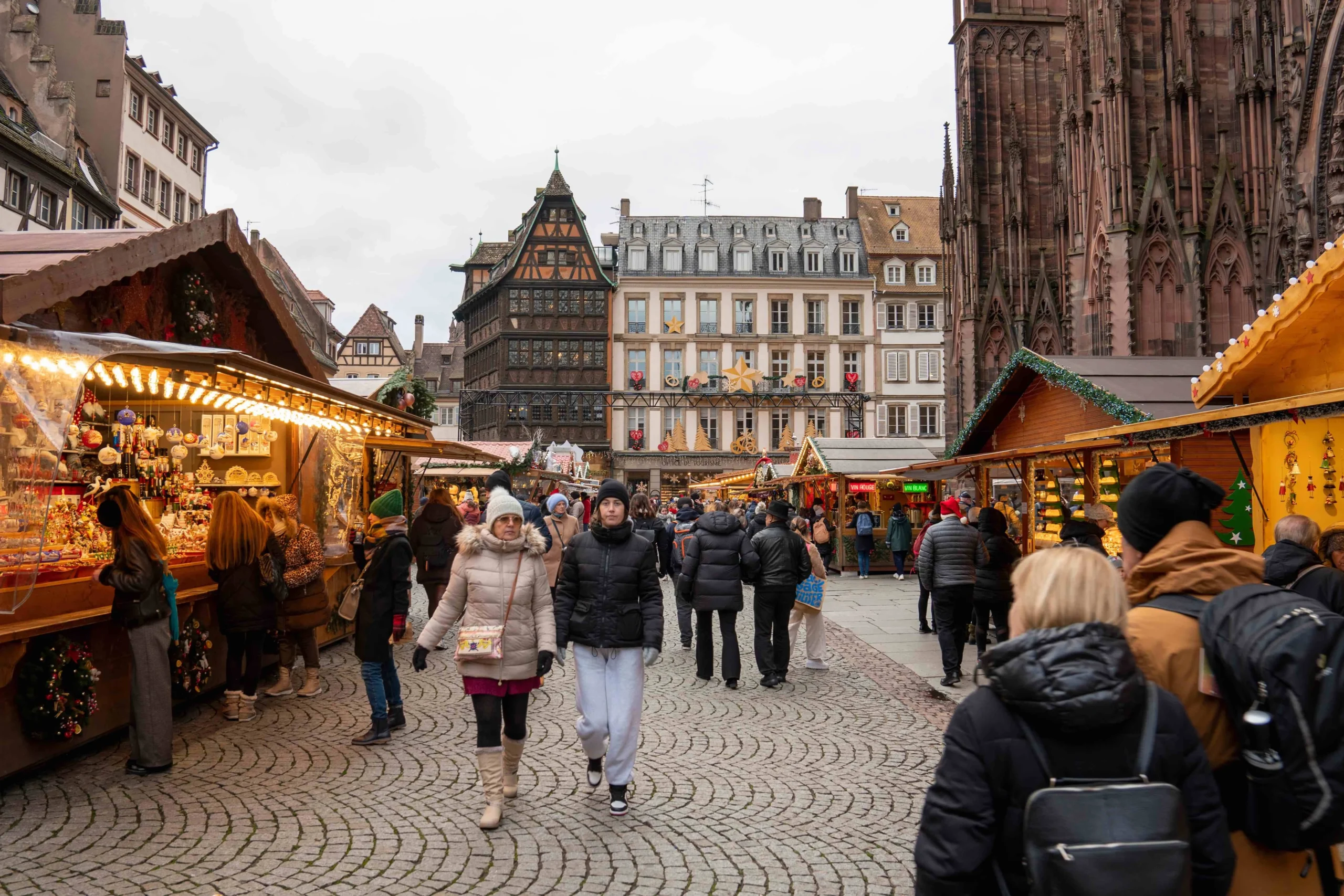
Europe's winter tourism is no longer just about Alpine pistes and twinkling market stalls. New research from the European Travel Commission (ETC) reveals a broadening demand base, with cultural city breaks, Arctic adventures, and off-peak months gaining traction among international travellers.
Winter travel intentions rise across Europe
The ETC's latest survey, covering October 2026 to March 2027, shows 76% of Europeans intend to take an overnight trip during the period—a three-percentage-point increase year on year. Poland leads with 87% travel intention, followed by Spain at 82%, while Germany and the Netherlands both register 79%. Southern Europe remains the top destination region, attracting 53% of prospective travellers.
December still dominates as the most popular month, accounting for 23% of planned trips, but February and March are catching up. The ETC reports an 8% rise in travel intentions for these months, with March alone up six points. More than half of respondents (56%) are considering two or more trips before the end of March, yet 55% have not booked—signalling a conversion opportunity for airlines, hotels, and tour operators.
Christmas markets and city breaks remain strong
Strasbourg leads Tripadvisor's European winter destination ranking based on UK traveller searches from November 2026 to February 2027, followed by Tromsø, Ghent, Saariselkä, and Chamonix. The list also includes Zakopane, Bruges, Nuremberg, Salzburg, and Riga—demonstrating the breadth of festive offerings beyond the classic markets.
City breaks account for 19% of travel intentions, while culture and heritage holidays and sun-and-beach trips each attract 18%. This diversification is pushing destinations to develop year-round appeal. For instance, Preferred Hotels' winter wellness portfolio taps into the growing demand for health-focused escapes, complementing traditional seasonal attractions.
Northern Lights tourism surges
The aurora borealis has emerged as a powerful draw. Trip.com Group reports a 132% year-on-year increase in global searches for the Northern Lights, with bookings for aurora-viewing tours up 225%. Rovaniemi in Finland saw a 72% rise in winter-spring bookings, Kiruna in Sweden 56%, and Tromsø in Norway 48%.
Travellers are combining aurora excursions with snow activities, whale watching, skiing, and visits to attractions like Santa Claus Village. This multi-experience trend encourages longer stays and higher spending, benefiting hotels and regional tourism boards across Scandinavia. The appeal extends beyond the traditional Christmas period, stretching into early spring.
Quieter destinations gain ground
The ETC research highlights a shift towards less crowded places. 44% of respondents prefer destinations with fewer tourists—up four points year on year—and 10% seek remote or off-the-beaten-track locations. This opens doors for smaller cities and rural regions to craft distinctive winter offers around local food, heritage, and nature.
For example, Agoda's offbeat Asian snow destinations reflect a broader appetite for alternatives to mainstream resorts. In Europe, destinations like Ghent and Riga are already leveraging their cultural assets to attract winter visitors beyond the festive peak.
Ski resorts adapt to climate and demand
Skiing remains central to the Alpine economy, but resorts face pressure to prove snow reliability. A report from the World Meteorological Organization and the International Ski and Snowboard Federation highlights growing weather-related risks. In response, destinations are diversifying into wellness, gastronomy, and winter walking to appeal to non-skiers and reduce dependence on snow.
Italy's Pontedilegno-Tonale, Austria's Obertauern, and France's Les Arcs rank top for snow reliability, according to industry data. Meanwhile, France's cheapest ski resorts offer budget-conscious travellers viable alternatives, helping to sustain volume in a changing climate.
Opportunities for the trade
For airlines, hotels, and tour operators, the key is converting interest into bookings. Competitive packages, reliable transport links, and distinctive seasonal experiences will differentiate destinations. The rise of February and March travel suggests potential to extend the winter season, reducing the traditional peak-and-trough pattern.
As easyJet's new Keflavík routes show, carriers are already betting on winter demand for Iceland's Northern Lights and geothermal attractions. Similarly, flydubai's winter additions to Riga, Salzburg, and Vilnius underline the growing appeal of secondary European cities during the colder months.
Europe's winter tourism is evolving. The trade that embraces this broader canvas—from Arctic adventures to cultural city breaks and quieter regional escapes—will be best positioned to capture the shifting demand and extend the economic benefits across the full winter calendar.