The FIFA World Cup 2026 is reshaping how international football fans approach travel to the United States. Rather than flying in for a single match and departing immediately, supporters are building multi-destination itineraries that combine games with road trips, national park visits, shopping excursions, and culinary tours. This shift presents significant opportunities for airlines, hotel groups, tour operators, and destination marketing organizations across the country.
From Match Tickets to Multi-City Holidays
Matches are spread across major host cities including New York, Los Angeles, Miami, Dallas, Seattle, and Atlanta. The vast distances between these venues are encouraging fans to treat the tournament as a broader holiday. A supporter attending a game at SoFi Stadium in Los Angeles might spend additional days exploring Hollywood, Santa Monica, or San Diego. Those flying into John F. Kennedy International Airport for a match at MetLife Stadium in East Rutherford, New Jersey, often add Washington DC, Boston, or Niagara Falls to their plans. Visitors to Texas frequently combine fixtures at AT&T Stadium in Arlington or NRG Stadium in Houston with Austin's live music scene or San Antonio's River Walk.
This pattern is driving demand for multi-city air travel on carriers such as Delta Air Lines, American Airlines, and United Airlines, as well as for rental cars from companies like Hertz and Enterprise. The classic American road trip is getting a football makeover, with groups stopping at the Grand Canyon, driving the California coast, or exploring smaller towns between matches.
Host Cities as Regional Gateways
Tourism boards and hoteliers are positioning host cities as gateways to broader regions. Miami International Airport opens access to the Florida Keys and Everglades National Park. Seattle-Tacoma International Airport connects visitors to the Pacific Northwest's mountains, forests, and San Juan Islands. Hartsfield-Jackson Atlanta International Airport introduces travelers to Southern culture, food, and music. Los Angeles International Airport serves as a launchpad for California's beaches, desert landscapes, and wine regions in Napa and Sonoma.
This geographic spread benefits destinations outside the official host-city network. For tour operators and travel agents, the message is clear: fans arrive for football but are eager to explore far beyond the stadium. Vancouver Leverages FIFA World Cup 2026 for Long-Term Tourism and MICE Growth offers a parallel example of how host cities can extend the tournament's economic impact.
Retail and Local Experiences Drive Spending
International visitors are using their US trips to purchase sports merchandise, fashion, electronics, and cosmetics that may be more expensive or harder to find at home. Outlet malls, city-center shopping districts, and large retail stores are becoming integral parts of the visitor experience. World Cup merchandise is an obvious draw, but fans also spend on team shirts, local brands, and city-specific products. This trend aligns with broader shifts in Retail Tourism Embraces Experiential Shopping Amid Inflation and Policy Hurdles.
Beyond shopping, fans are seeking authentic local experiences. A match in New York might be followed by a food tour in Queens. A game in Miami leads visitors to Cuban restaurants in Little Havana. Texas-bound supporters seek out barbecue joints, while Seattle visitors explore the city's coffee culture and seafood scene. For local businesses, this spending can be as valuable as stadium-related revenue.
Accommodation Trends Shift Toward Longer Stays
Because many fans are planning multi-city trips, accommodation preferences are evolving. Hotels near stadiums and transport hubs remain important, but apartments and short-term rentals from platforms like Airbnb and Vrbo are increasingly popular among families and groups staying for several weeks. These options offer more space, kitchens, and flexibility. Some fans base themselves in one city and make shorter trips to nearby destinations, while others move between host cities as their team progresses through the tournament.
The World Cup is becoming a longer and more complex travel experience than a typical sporting weekend. For travel professionals, the opportunity lies in packaging flights, accommodation, car rentals, and experiences across multiple cities. How British Airways and Norwegian Turned a World Cup Bet into a Global Travel Marketing Win illustrates how airlines can creatively engage with this fan base.
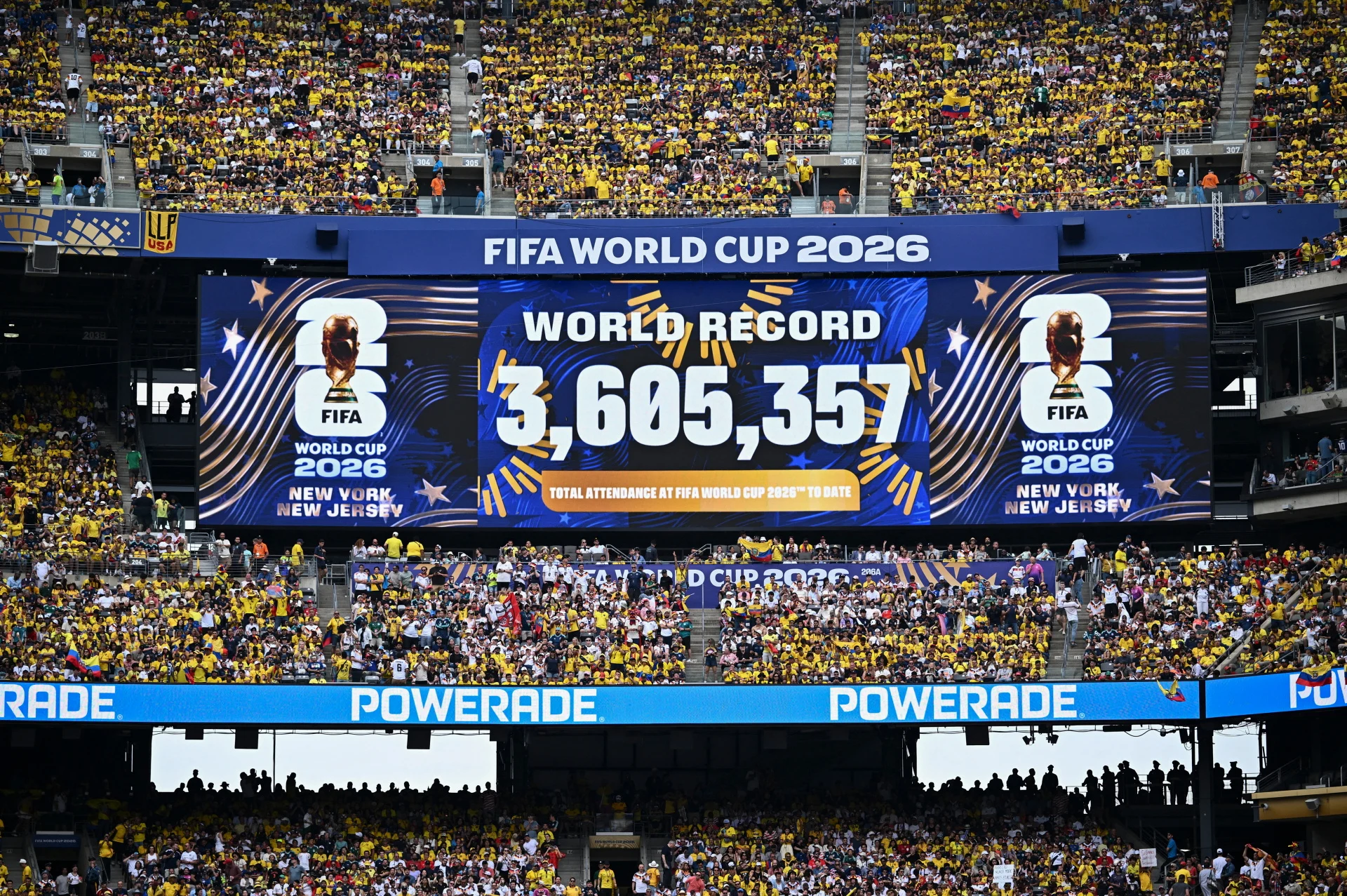
The real tourism value of the World Cup will be measured not only by stadium attendance but by what fans do between matches. Spending on restaurants, attractions, museums, domestic transport, shopping, entertainment, and tours will ripple through host cities and beyond. Smaller businesses in neighborhoods near stadiums and along popular road-trip routes stand to benefit significantly. For the US travel industry, the 2026 World Cup is not just a series of football matches—it is a catalyst for a new wave of extended, experiential travel.