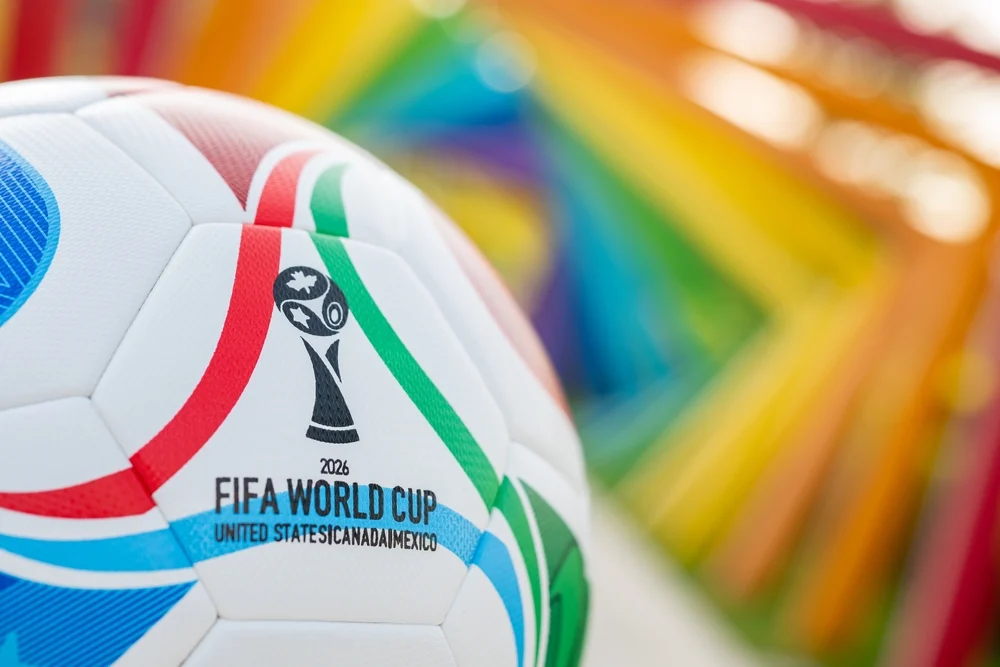
The recent World Cup has reshaped travel patterns in host cities, according to a new analysis from Civitatis. The report, titled "The World Cup Effect," reveals a dramatic surge in tourism activity bookings, with Dallas experiencing an elevenfold increase. This data underscores the tournament's powerful influence on global travel demand.
During the competition, major matches caused a temporary halt in online bookings. Notably, during the Spain vs. Argentina final, activity reservations plummeted by 62% as millions of fans focused on the game. However, bookings rebounded swiftly after the final whistle, demonstrating the event's strong pull on consumer attention.
Implications for Travel Industry Stakeholders
Civitatis' findings highlight the deep connection between mega-sporting events and tourism, offering actionable insights for airlines, hoteliers, and tour operators. For example, the spike in Dallas bookings suggests that host cities can expect significant short-term demand, particularly for local tours and experiences. This aligns with broader trends seen in other host cities, where match schedules directly influence booking patterns.
The report also notes that the World Cup temporarily shifts travelers' focus away from planning during key matches. This pattern could inform marketing strategies for travel-tech vendors and agents, who might adjust promotional timing around major sporting events. For instance, GDS systems and online travel agencies could optimize their ad spend to avoid match windows and capitalize on post-game surges.
For airlines serving host cities, the data reinforces the importance of capacity planning. Carriers like American Airlines, which operates a major hub in Dallas/Fort Worth, may see increased demand during future tournaments. Similarly, hotel groups such as Marriott and Hilton could benefit from bundling match-day packages with local tours.
Tour operators and destination management companies should consider similar data-driven approaches. The Civitatis report provides a template for measuring event impact, which could be applied to other global spectacles like the FIFA World Cup 2030, where final ticket prices have already hit $6,370. As recent coverage shows, such events are increasingly targeting casual travelers with premium experiences.
For travel agents, the findings underscore the value of last-minute booking trends. The temporary dip during matches suggests that agents could engage clients with post-game offers, similar to how UK travelers are shifting to last-minute bookings amid economic pressures.
Civitatis' study offers a clear picture of how the World Cup not only attracts fans to host cities but also temporarily shifts their focus away from travel planning during key matches. These insights could be invaluable for tourism boards and businesses aiming to capitalize on future sporting events. As the world continues to embrace global sporting spectacles, understanding their impact on travel behavior becomes increasingly crucial.
This story was selected and published by a human editor, with content adapted from original press material using AI tools. Spot an error? Report it here.