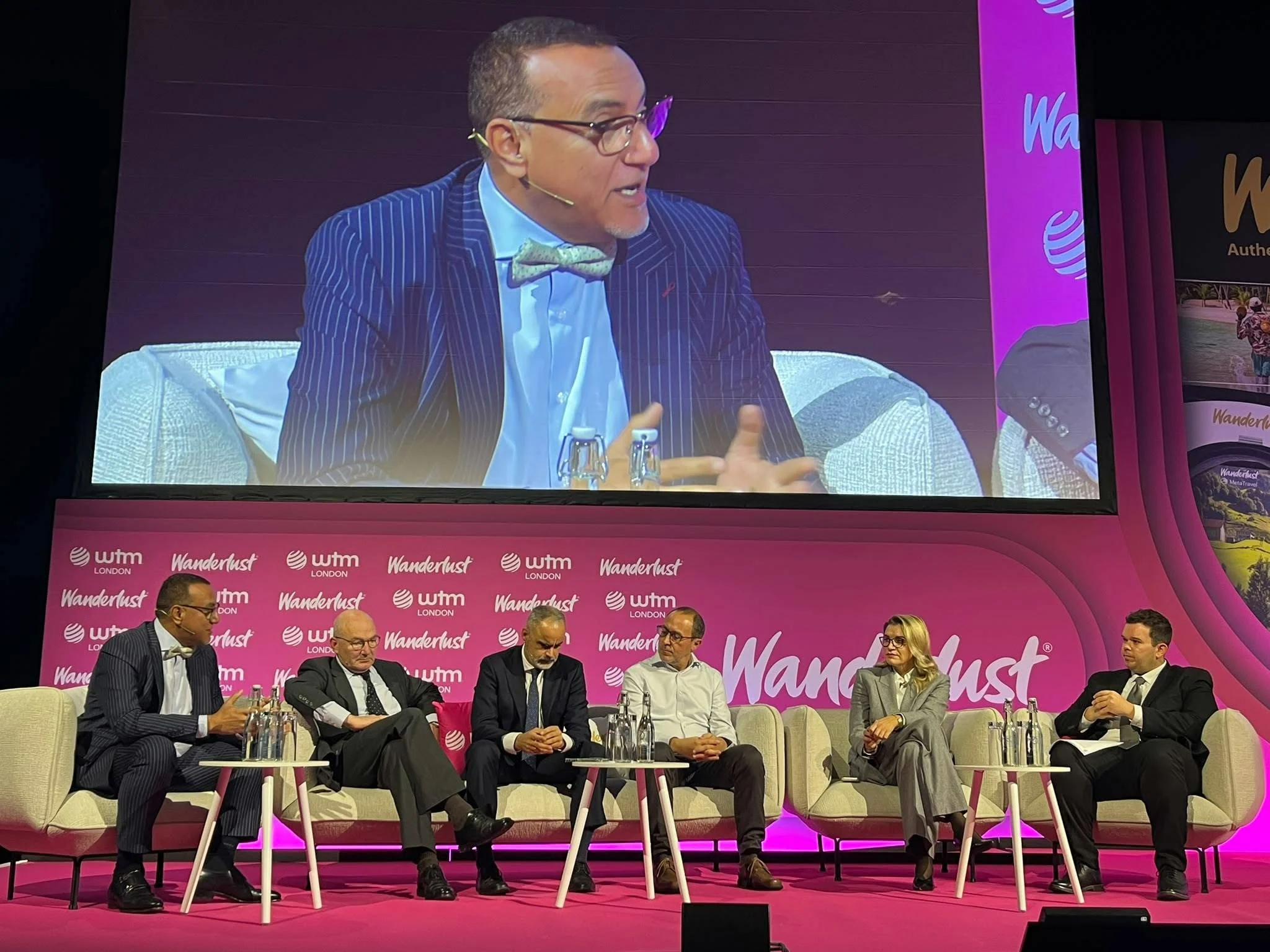
Day two of World Travel Market (WTM) London 2026, held on Wednesday 4th November, saw delegates and industry leaders challenge long-held assumptions across the event's stages. The central theme was clear: destinations and brands that fail to listen to local communities, overlooked demographics, and shifting consumer emotions risk becoming obsolete.
At the Wanderlust Stage, accessibility discussions moved beyond compliance to a social imperative. Panellists argued that the hospitality sector has consistently misunderstood the needs of travellers with disabilities. Dr Gregory Burke, founder and group CEO of AccessAble, said: "Disabled people are all different; historically the industry has been asking the wrong questions. You should be asking what someone needs to know, to decide if a hotel works for them." Burke highlighted the 'purple pound'—worth £350 billion annually in the UK alone—but stressed that the ethical case is paramount: "People should be treated with dignity. Our vision is for a much more inclusive model."
Friction points and commercial challenges
Panellists identified persistent friction points across the traveller journey, from weak digital infrastructure to unfulfilled hotel promises. Sassy Wyatt, chief executive of Blind Girl Adventures, noted that 95 percent of website home pages still contain accessibility errors. She issued a direct challenge to operators: "As a blind woman with a guide dog, my money is the same as yours. If I’m refused access, you’re not getting my money."
The call to listen extended beyond infrastructure into identity and placemaking. From the Grand Egyptian Museum's collaboration with local artisans to Trove Tourism Development Advisors' grassroots community projects in Jamaica and Papua New Guinea, community engagement emerged as a shield against commodification. Destination marketing is also shifting from blunt demographic segmentation to nuanced social and emotional listening, particularly in Asia.
John Speers, vice-president of tourism strategy at TruReach, described his work with the Saudi Tourism Authority to attract Chinese visitors, refining 300 potential itineraries into two emotionally resonant excursions. He remarked: "When you get emotion right, you get economic value. Emotion drives business. People don’t just get on a plane, they go to feel something and to be transformed."
The broader programme echoed these themes. Sessions on accessibility, AI, and experience-led travel reinforced that technology must serve human connection. Meanwhile, discussions on Barcelona overtaking London as Europe's top MICE hub highlighted how destinations must listen to business event planners' evolving needs. In the luxury sector, branded residences are surging across Southeast Asia as affluent buyers seek inflation hedges, a trend that demands developers listen to buyer preferences for authenticity and lifestyle.
As WTM London 2026 continues, the message is clear: whether navigating artificial intelligence, brand autonomy, or community stewardship, listening remains the bedrock of genuine hospitality. The future belongs to those willing to hear what travellers and communities are truly saying.