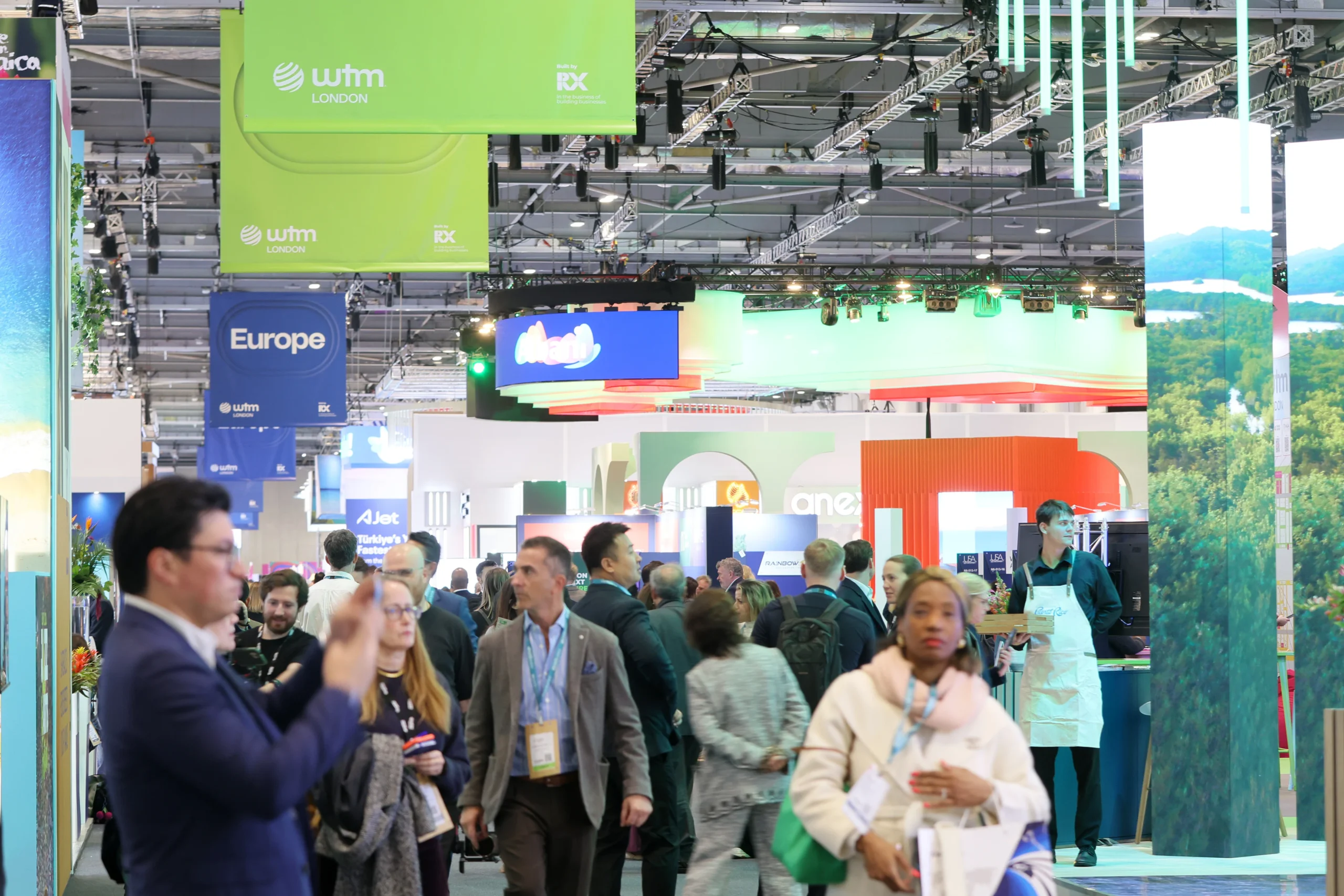
World Travel Market (WTM) London 2026 kicked off at ExCeL London with a clear agenda: accessibility, artificial intelligence, and the growing demand for experience-led travel. The event also marked the release of the WTM Global Travel Report, produced with Tourism Economics, which highlights a notable shift in traveler spending toward premium and immersive offerings.
According to the report, 60% of surveyed travelers expressed interest in luxury holidays, a signal that the sector is moving beyond traditional opulence. Chase Grey of Skift Advisory told delegates that the future of luxury travel will be defined by access rather than excess. He identified three distinct luxury traveler profiles: those seeking prestige, those pursuing personal growth, and those looking for meaningful connections. This nuanced view challenges operators to tailor experiences that go beyond material indulgence.
Immersive events as economic drivers
Angela Val from Visit Philadelphia underscored the economic potential of large-scale events, citing Taylor Swift concerts and the FIFA World Cup Fanfest as prime examples of how such gatherings can attract visitors and generate substantial tourism revenue. Her remarks align with broader industry data showing that experiential travel is outpacing recovery in several key markets.
Cruise operators are also pivoting to experience-led itineraries. Century Cruises announced plans to expand into Europe and North Africa, with a focus on culinary and cultural immersion. David Fredericks, President and CEO for the Americas, compared the brand's positioning to luxury hotel groups such as Mandarin Oriental, signaling a strategic move to capture high-end travelers seeking curated journeys.
Accessibility takes the spotlight
Accessibility was a prominent theme at the event. Spain's Tourist Office launched its 'Spain for All' strategy, aimed at improving tourism experiences for visitors with disabilities. José Manuel de Juan González, Director of the Spanish Tourist Office UK, also introduced a hotel advice guide to help properties communicate their accessibility facilities more clearly. This initiative reflects a growing industry recognition that inclusive travel is both a social imperative and a commercial opportunity.
AI continues to dominate conversations across the travel value chain. Garry Wilson, CEO of easyJet Holidays, highlighted the technology's potential to streamline operations and enhance customer service. Ani Attamian reported a staggering 3,500% increase in generative AI traffic to US travel websites, underscoring the rapid adoption of these tools. For travel professionals, the message is clear: AI is no longer a futuristic concept but a present-day operational necessity.
The event also provided a platform for discussing broader industry trends. With Barcelona overtaking London as Europe's top MICE hub, the competitive landscape for business events is shifting. Meanwhile, Agoda data shows Asia's luxury travelers prioritize experiences over amenities, reinforcing the global move toward experiential spending.
WTM London 2026 continues to serve as a critical gathering for industry leaders to forge partnerships and showcase innovation. Event Director Chris Carter-Chapman highlighted the industry's resilience and the event's contribution to the UK economy. As the travel sector evolves, the themes of accessibility, AI, and experience-led travel are set to shape strategies for years to come.