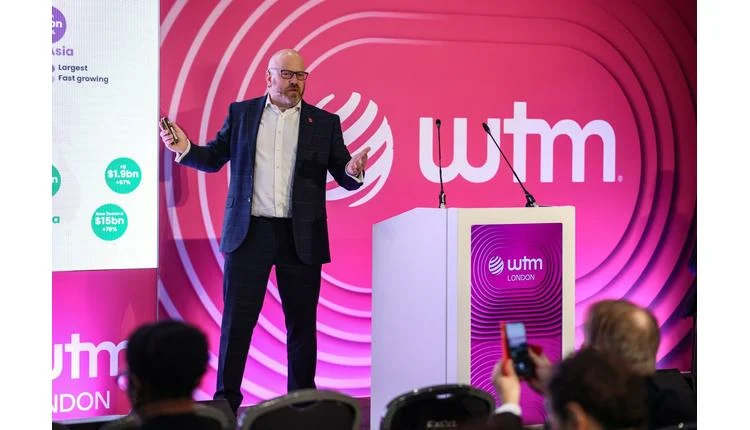
The WTM Global Travel Report 2026 paints a picture of an industry recalibrating around shorter journeys and sharper price sensitivity. International overnight arrivals are set to reach a record 1.57 billion, a 2% increase over 2025, while visitor spending is projected to climb 6% to US$1.8 trillion. The figures underscore a sector that continues to expand despite geopolitical friction and cost-of-living pressures.
Growth is increasingly concentrated in domestic and short-haul segments, particularly across Europe and Sub-Saharan Africa, where travel volumes rose 3%. In contrast, long-haul demand is being squeezed by higher airfares and safety concerns, prompting carriers and tour operators to adjust their network strategies. The Middle East, for instance, saw a 40% drop in overnight arrivals this year, though a 43% rebound is possible in 2027 if the Iran conflict is resolved.
Value becomes a primary driver
Value for money has moved to the forefront of traveler decision-making. The report reveals that one in six travelers now selects destinations based on affordability, up from one in eleven in 2025. This shift is reshaping how airlines, hotels, and destinations position their offerings, with budget-friendly packages and transparent pricing gaining traction.
Luxury travel, however, remains resilient. Twelve percent of travelers continue to prioritize high-end destinations, indicating that the premium segment is not being uniformly eroded by value-seeking behavior. This bifurcation suggests that operators must cater to both ends of the spectrum to capture demand.
Technology and AI influence booking behavior
Technology is playing an increasingly pivotal role in how travelers plan and purchase. According to the report, 36% of travelers are willing to use artificial intelligence to make bookings, while 58% would use it to compare prices. This aligns with broader trends in Gen Z trust in AI, which is reshaping booking behavior across demographics.
Chris Carter-Chapman, Event Director at WTM London, emphasized the industry's capacity for resilience and reinvention, themes that will anchor the conference program at WTM London 2026. Dave Goodger, Managing Director EMEA at Tourism Economics, noted that leisure travel remains a priority for consumers despite ongoing disruptions, a sentiment echoed by hotel groups like Hilton, whose 2027 outlook highlights traveler demand for flexibility and trust.
Looking ahead, the report forecasts continued momentum, with global international arrivals expected to grow by 8% in 2027. For travel professionals, the message is clear: adapt to a value-conscious, short-haul-centric market, leverage AI for efficiency, and prepare for a gradual recovery in long-haul and conflict-affected regions.