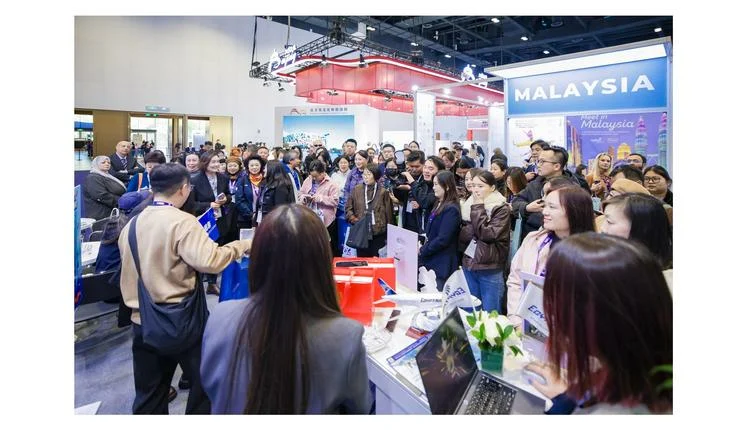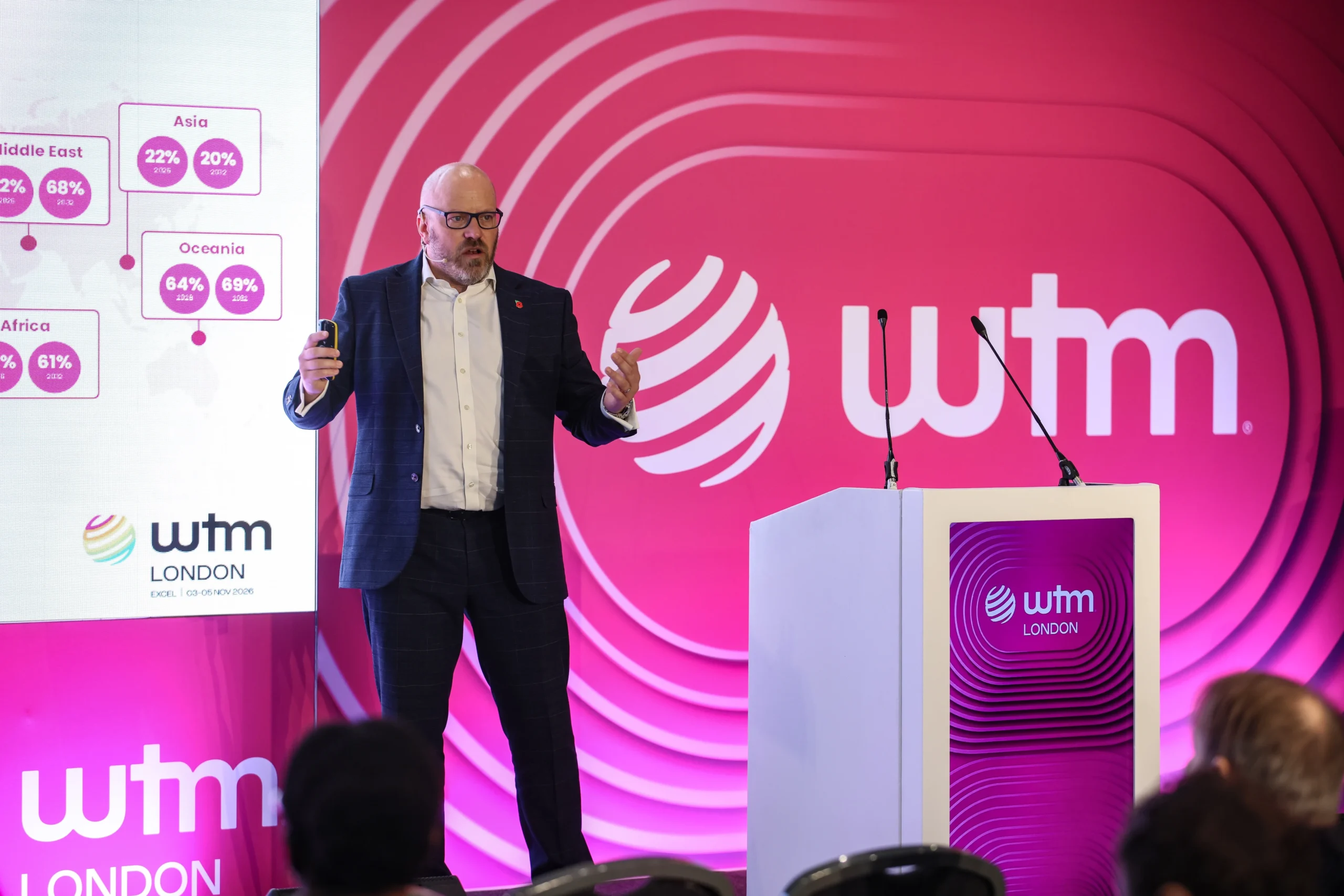
The opening day of World Travel Market (WTM) London 2026 set the tone for a sector in deliberate transformation. Despite persistent economic pressure, travelers are reallocating budgets toward meaningful experiences rather than ostentatious luxury, a shift that is reshaping hospitality, cruising, and destination marketing.
The newly released Global Travel Report, produced in association with Tourism Economics, revealed that while consumer spending power faces real erosion, holidaymakers are consciously protecting their travel budgets. Notably, 60 percent of surveyed travelers still seek high-end getaways, but the definition of exclusivity is evolving rapidly.
Luxury redefined: access over excess
According to Chase Gray of Skift Advisory: “Luxury today is no longer defined by excess, but by deliberate access, personal enrichment, and cultural authenticity.” This sentiment echoed across sessions championing the experience economy, where passion-led tourism—from mega-concerts to global sporting events—is fundamentally altering how cities plan itineraries and allocate resources.
Data presented on the Trends stage confirmed that 58 percent of international travelers have journeyed abroad specifically for an event in the past two years. Destinations like Philadelphia are capitalizing on massive non-ticketed crowds through tailored community programs, turning event spillover into sustained engagement.
Regional operators are responding in kind. China-based Century Cruises announced ambitious European and North African expansions, detailing new Rhine-Danube and Nile sailings complete with boutique shore recitals and elevated gastronomic programs. According to David Fredericks, Century Cruises’ president and CEO in the Americas: “If we were a hotel brand, we would fashion ourselves after Mandarin Oriental or Shangri-La.” The move signals a bid to capture discerning Asian and Western high-yield segments alike, aligning with broader trends in experiential travel across Asia-Pacific.
Universal hospitality and the human side of AI
Equally prominent was the push for universal hospitality, highlighted by the Spanish Tourist Office’s launch of its comprehensive Spain for All strategy. The initiative distributes practical guides for hoteliers and runs targeted campaigns to make tourism accessible to all. As travel executive Miguel Carrasco put it: “Accessible tourism is not a different kind of tourism; it is what better tourism looks like.”
On the Future Stage, discussions acknowledged that artificial intelligence must remain grounded in genuine human interaction. While generative AI usage has surged by 3,500 percent across travel platforms, industry leaders stressed that automation should eliminate administrative friction to free front-line teams for high-value hospitality. This aligns with recent moves such as Agoda’s AI assistant rollout, which aims to streamline trip planning without replacing human touch.
The convergence of these themes—experience-led travel, inclusivity, and technology that enhances rather than replaces—signals a mature industry responding to shifting consumer values. For travel professionals, the takeaway is clear: differentiation now lies in delivering authentic, accessible, and personalized experiences, supported by smart tools that empower staff.
As WTM London 2026 continues, the focus remains on practical strategies for operators, destinations, and suppliers to adapt. The event’s sessions underscore that the industry’s evolution is not about chasing trends but about embedding these principles into core business models.