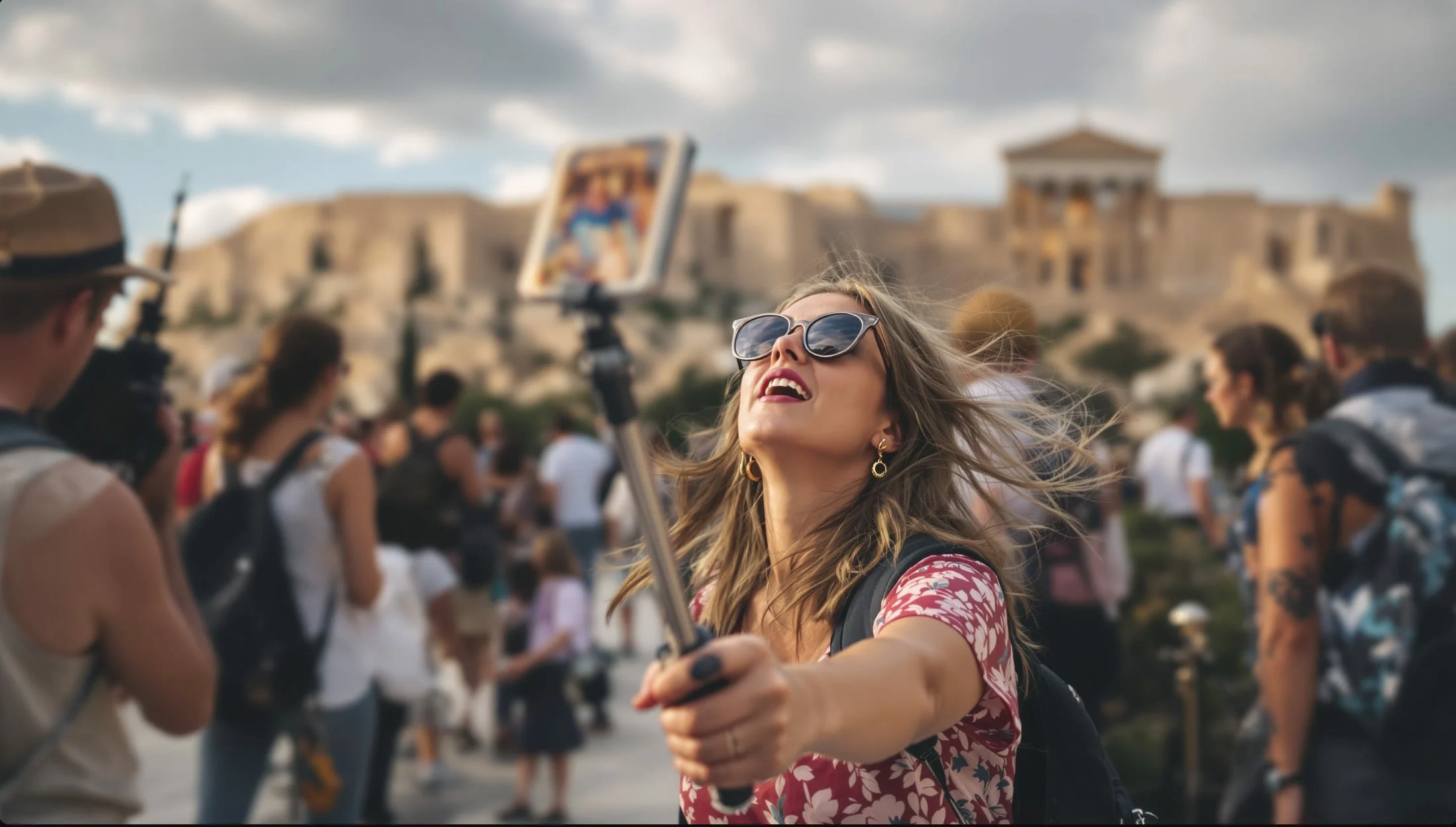
As 2026 gives way to 2027, the travel industry is confronting a pivotal question: is the era of the online travel influencer coming to an end? For airlines, hotel groups, cruise lines, and destination marketers, the answer carries significant commercial implications. A growing body of evidence suggests that consumer trust in influencer-driven content is collapsing, forcing a reevaluation of how travel brands allocate marketing budgets and engage with audiences.
Recent data indicates that while roughly 73 percent of travelers still book trips influenced by social media content, a substantial backlash is underway. Nearly half of global consumers now view influencers as untrustworthy, perceiving them as vehicles for undisclosed brand promotions rather than authentic voices. This sentiment is echoed in a 2025 academic paper by Luong The-Bao of Ho Chi Minh City University of Technology and Education, which identifies four key drivers of eroding trust: misleading representations, expectation-reality gaps, overtourism and commercialization, and service quality discrepancies.
The expectation-reality gap hits destinations hard
Travelers increasingly report arriving at destinations underwhelmed by what they find. Heavily filtered, meticulously staged photos create unrealistic expectations, leaving tourists to face overcrowding, long queues, and subpar service. For destination management organizations and hoteliers, this gap translates into negative reviews and diminished repeat visitation. The phenomenon is particularly acute in Southeast Asia, where influencer-led tourism strains infrastructure and culture, as highlighted in our recent analysis.
Commercialization fatigue is another critical factor. When creators offer exclusively glowing reviews with zero criticism, audiences quickly detect the bias. The proliferation of paid partnerships and free perks has bred deep cynicism. In response, some markets are tightening regulations. Dubai, for instance, has introduced influencer ad rules that raise compliance costs for tourism stakeholders, a move that signals a broader shift toward accountability.
The mental toll on consumers is equally significant. A 2022 study by IHG Hotels and Resorts found that nearly 50 percent of surveyed travelers said the pressure to have a social media-worthy trip made their holidays more stressful than enjoyable. This finding aligns with broader research showing that over half of travelers experience jealousy or burnout before they even depart, driven by the curated perfection of influencer feeds.
AI-generated misinformation adds another layer of complexity. Automated travel content occasionally recommends closed venues or inaccurate itineraries, making users wary of anything lacking authentic human experience. For travel technology vendors, this presents an opportunity to develop verification tools and transparent content platforms. The integration of influencer networks into marketing hubs, such as Emerging Travel Group's recent move, suggests that the industry is seeking more structured, accountable approaches.
For travel professionals, the implications are clear: authenticity is now a competitive advantage. Airlines, hoteliers, and cruise lines must pivot from influencer-driven campaigns toward transparent, user-generated content and verified reviews. As hotels rethink commercial teams in the age of AI, similar strategic shifts are needed in marketing. The decline of influencer credibility is not a death knell but a call for evolution—toward genuine storytelling, clear disclosure, and measurable outcomes.
In this new landscape, destination marketers and travel brands that embrace transparency will thrive. The romance of the influencer may be fading, but the demand for authentic travel experiences is stronger than ever. The industry's response will define the next decade of travel marketing.