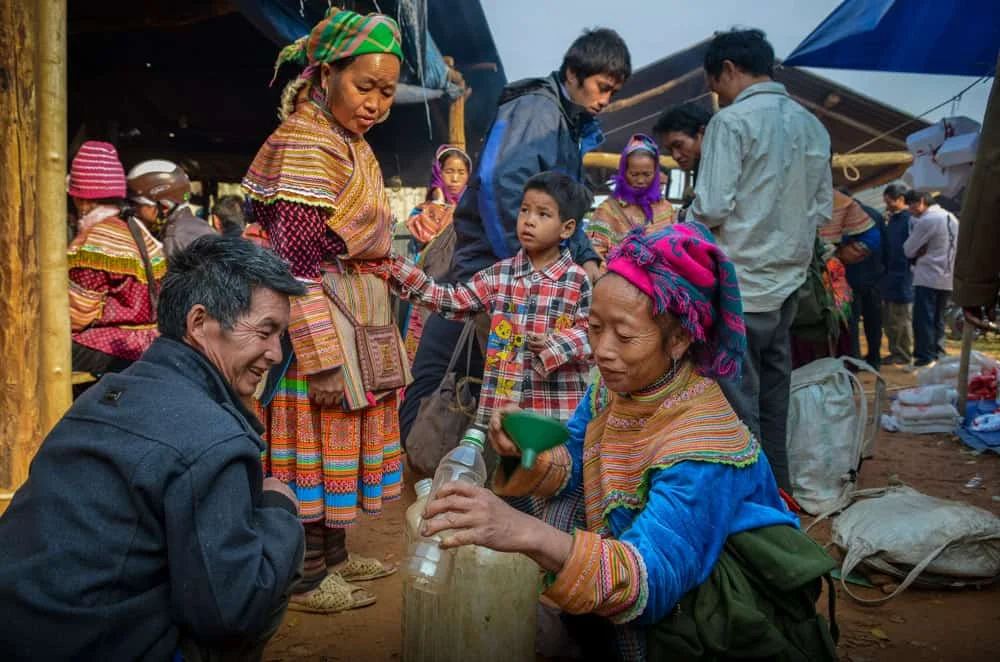
The rise of experiential tourism has brought unprecedented attention to Southeast Asia, but the region's travel industry is grappling with the darker side of this trend. While travelers seek authentic immersion in local cultures, the surge in influencer-driven demand is eroding heritage, straining infrastructure, and exposing safety gaps. For destinations like Bali, Chiang Mai, and Phuket, the pressure is mounting.
Infrastructure Bottlenecks Undermine Authentic Experiences
As tourists venture deeper into remote provinces—such as rural Laos or the outer islands of Indonesia—they encounter significant infrastructure challenges. Many off-the-beaten-path sites lack reliable roads, clean water, and stable electricity. In the Philippines, parts of Indonesia, and the Indochina sub-region, connectivity remains minimal, hindering travelers who rely on mobile maps and digital payment systems. Transportation often involves rough bus rides or flimsy watercraft with questionable safety standards, while language barriers and signage in local scripts further complicate navigation.
These issues are not just inconveniences; they limit the potential for high-quality tourism. Without addressing these gaps, the region risks alienating the very travelers it seeks to attract. As noted in a recent SITA report, tech-driven capacity improvements are critical for handling growing passenger volumes, but Southeast Asia's infrastructure lags behind.
Cultural Commodification and the Influencer Effect
Cultural commodification has become a pressing concern, particularly in hotspots like Bali and Chiang Mai. Western influencers often stage faux experiences for social media clout, cheapening sacred rites and traditions. For example, photo ops at Balinese temples now involve paying local touts, while the work of Northern Philippine tattoo artist Whang Od—a cherished cultural icon—has been reduced to a bragging-rights activity. This trend not only disrespects local heritage but also distorts the authentic experiences travelers seek.
Disrespectful behavior by tourists, including blasphemy and colonial-era attitudes, has further strained host communities. Global tour companies and travel agencies have also been criticized for shortchanging indigenous communities financially. To counter this, the region must enforce stricter regulations and promote responsible tourism practices, as highlighted in the revival of cultural heritage in post-conflict nations.
Sustainability and Safety: A Double-Edged Sword
The environmental toll of overtourism is severe. Coastal areas in the Philippines and Thai islands face waste crises, plastic pollution, and habitat destruction. Poor sanitation measures have contaminated local water supplies, while unregulated hiking and marine activities threaten biodiversity. Safety remains a concern, with poorly trained tour operators and inadequate emergency response systems.
For Southeast Asia to thrive as a global center for experiential tourism, it must balance growth with preservation. Strengthening regulations, investing in infrastructure, and fostering respect for local cultures are essential. As the Maldives has shown, AI-driven personalization can coexist with conservation, but Southeast Asia needs a coordinated approach. The region's heritage is not a commodity—it's a home that visitors are privileged to experience.