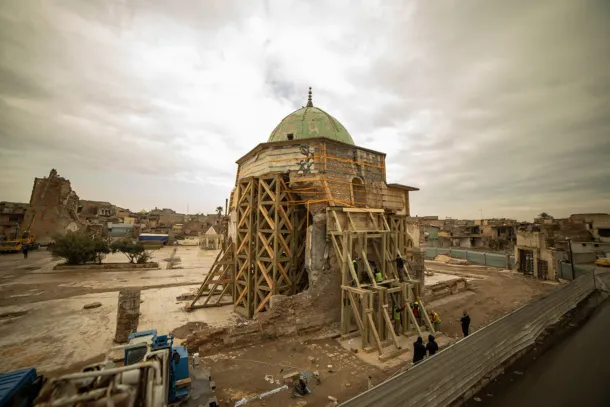
In the wake of armed conflict, tourism is often among the first sectors to collapse. Cultural tourism, in particular, suffers devastating losses as historic landmarks are damaged or destroyed. Yet, a growing number of nations are demonstrating that heritage can be a powerful engine for post-war revival. Governments from Southeast Asia to the Middle East are now leveraging cultural tourism to rebuild their economies and reshape their global image.
Prioritizing Reconstruction and Safety
The initial phase of recovery focuses on human welfare, but once basic needs are met, attention turns to infrastructure. Governments must deploy teams of historians, curators, and archaeologists to document surviving cultural sites and assess damage. Physical reconstruction of iconic landmarks—such as the Independence Palace in Ho Chi Minh City or the Hiroshima Peace Memorial—becomes a priority. Partnerships with organizations like UNESCO or private foundations are essential to secure funding and ensure authenticity in restoration. Safety is paramount; demining and securing sites must precede any tourism reopening.
Reshaping the Narrative
Destination marketing plays a critical role in post-conflict recovery. The narrative must shift from war zone to symbol of resilience and reconciliation. For example, Vietnam has successfully repositioned the Independence Palace as a site of national unity. Modern tools like augmented reality and virtual reality allow visitors to experience both what was lost and what remains. Influencer campaigns and cultural festivals—celebrating music, art, and gastronomy—help tell a new story. The Morocco Positions Itself as a Global Culinary Destination with New Food Guide illustrates how gastronomy can drive cultural tourism.
Community Involvement as Therapy
Engaging local residents in reconstruction is both practical and therapeutic. France’s post-World War II efforts involved communities in rebuilding their heritage, fostering a sense of ownership and healing. Governments and private sector partners should offer grants to artisans, hoteliers, and restaurateurs near affected sites. This grassroots approach accelerates recovery and ensures that tourism benefits those who lived through the conflict. The Wellness Tourism Association Unveils First Global Standards for Retreat Sector highlights how wellness and community-focused tourism can complement cultural revival.
Technology and Global Collaboration
Technology is a key enabler for post-war cultural tourism. Augmented reality apps can overlay historical images onto current ruins, while virtual tours allow global audiences to explore reconstructed sites. The GlobalData embeds Ava AI analyst into Microsoft 365 Copilot for enterprise intelligence shows how AI can support tourism planning and marketing. International collaborations, such as those with UNESCO, provide expertise and funding. Cruise lines like Swan Hellenic are also expanding cultural itineraries, as seen in Swan Hellenic Doubles Asia-Pacific Expeditions for 2027 with Ten Cultural Itineraries, offering new ways to experience heritage.
Lessons from the Past, Hope for the Future
War leaves destruction, but the resilience of human spirit ensures that nations can rebuild and tell their stories. By focusing on cultural tourism, post-conflict countries not only revive their economies but also foster reconciliation and pride. For travel professionals—from airline executives to tour operators—these destinations offer unique opportunities to create meaningful experiences. The key is to approach with sensitivity, authenticity, and a commitment to supporting local communities.