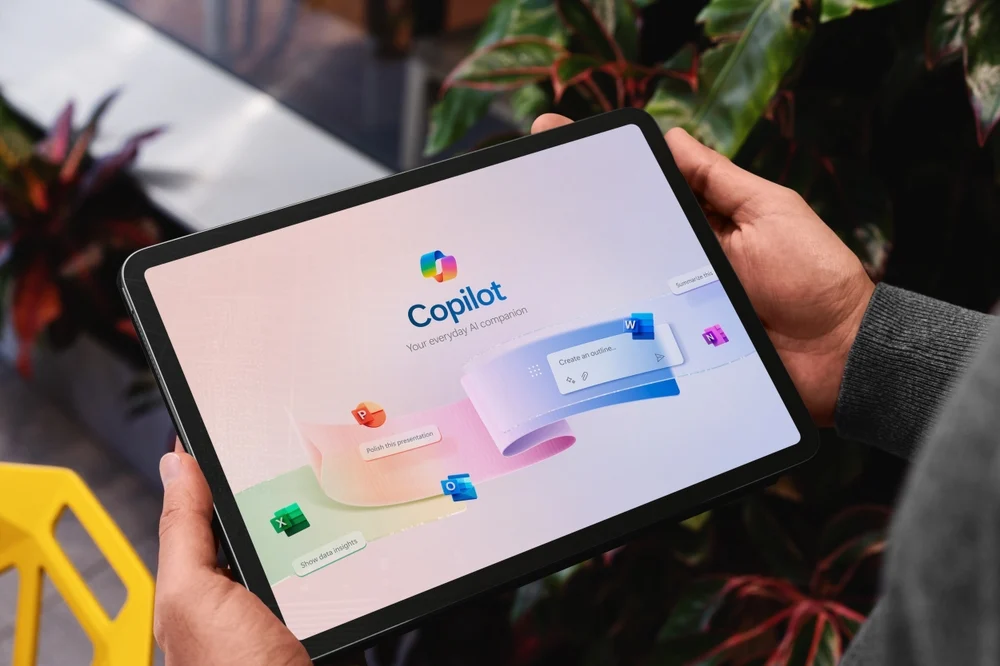
GlobalData Plc has integrated its AI research analyst, Ava, into Microsoft 365 Copilot, enabling enterprise users—including travel industry professionals—to access trusted market and company intelligence directly within their existing workflows. The integration, announced on 8 July 2026, aims to streamline decision-making by embedding GlobalData's proprietary data into the widely-used Microsoft platform, reducing the need to switch between specialist tools.
How Ava enhances decision-making for travel professionals
For travel industry stakeholders—airline executives at carriers such as Delta Air Lines or Emirates, hoteliers at Marriott International or Accor, cruise lines like Royal Caribbean or MSC Cruises, and tour operators such as TUI Group—the integration means that strategic, financial, and procurement teams can now query Ava within Microsoft 365 Copilot to obtain source-backed insights on market trends, competitor analysis, and destination performance. This eliminates the friction of toggling between separate research portals and everyday productivity tools like Outlook, Teams, and Word.
Jonathan Hardinges, Chief Strategy Officer at GlobalData, highlighted the significance: “By embedding Ava into Copilot, we are making GlobalData’s trusted, source-backed intelligence available at the point of need, so teams can move faster from question to evidence-based insight, with confidence and traceability.” The integration leverages the Model Context Protocol, enabling Copilot to request and deliver insights from GlobalData’s extensive proprietary databases.
Democratising access to high-quality intelligence
The collaboration between GlobalData and Microsoft seeks to democratise access to high-quality intelligence that was traditionally confined to specialist tools. By integrating Ava into Copilot, more teams—including those in strategy, finance, and procurement—can benefit from external intelligence without requiring technical expertise. This approach supports more consistent decision-making across organisations, a critical factor for travel companies navigating volatile demand patterns, shifting regulations, and evolving consumer preferences.
Caroline Vojdani, Global Head of Customer Success at GlobalData, noted: “With Microsoft, we are unlocking a massive opportunity for our enterprise clients to drive efficiency, foster collaboration, and achieve significant advancements in their digital transformation journey.” Rob Howard, Corporate Vice President at Microsoft, added that this integration allows organisations to make informed decisions without switching tools, a sentiment echoed by travel technology vendors who increasingly embed AI into platforms like Amadeus and Sabre.
This development marks a step towards enhancing productivity and efficiency by reducing the friction between research and action, ultimately supporting faster, evidence-based decision-making. For travel professionals, this means quicker access to data that can inform route planning, hotel portfolio expansion, cruise itinerary design, or MICE event strategies.
Related integrations in the travel technology space include TripGain AI Spend Copilot for real-time expense analytics in corporate travel, and Amadeus and Microsoft's report on agentic AI use cases for airline operations. Additionally, Streamline's integration of Leo AI across property management platforms for short-term rentals demonstrates the growing trend of embedding AI into operational tools.
This story was selected and published by a human editor, with content adapted from original press material using AI tools. Spot an error? Report it here.