The Tourism Authority of Thailand (TAT) is positioning the Phuket Vegetarian Festival 2026 as a cornerstone cultural experience for international visitors. Scheduled for 10–18 October, the event—known locally as Jia Chai—offers travel professionals a window into the island's Hokkien Chinese heritage, with a packed calendar of shrine ceremonies, street processions, and community rituals.
For tour operators and destination marketers, the festival is more than a spectacle; it's a strategic asset. Phuket's appeal has long rested on beaches and nightlife, but cultural events like this broaden the island's portfolio, attracting a segment of travellers seeking authentic experiences. The festival's recognition as intangible cultural heritage in 2018 and its Silver Grand Pinnacle Award in 2024 underscore its growing international standing.
Processions and rituals that define the festival
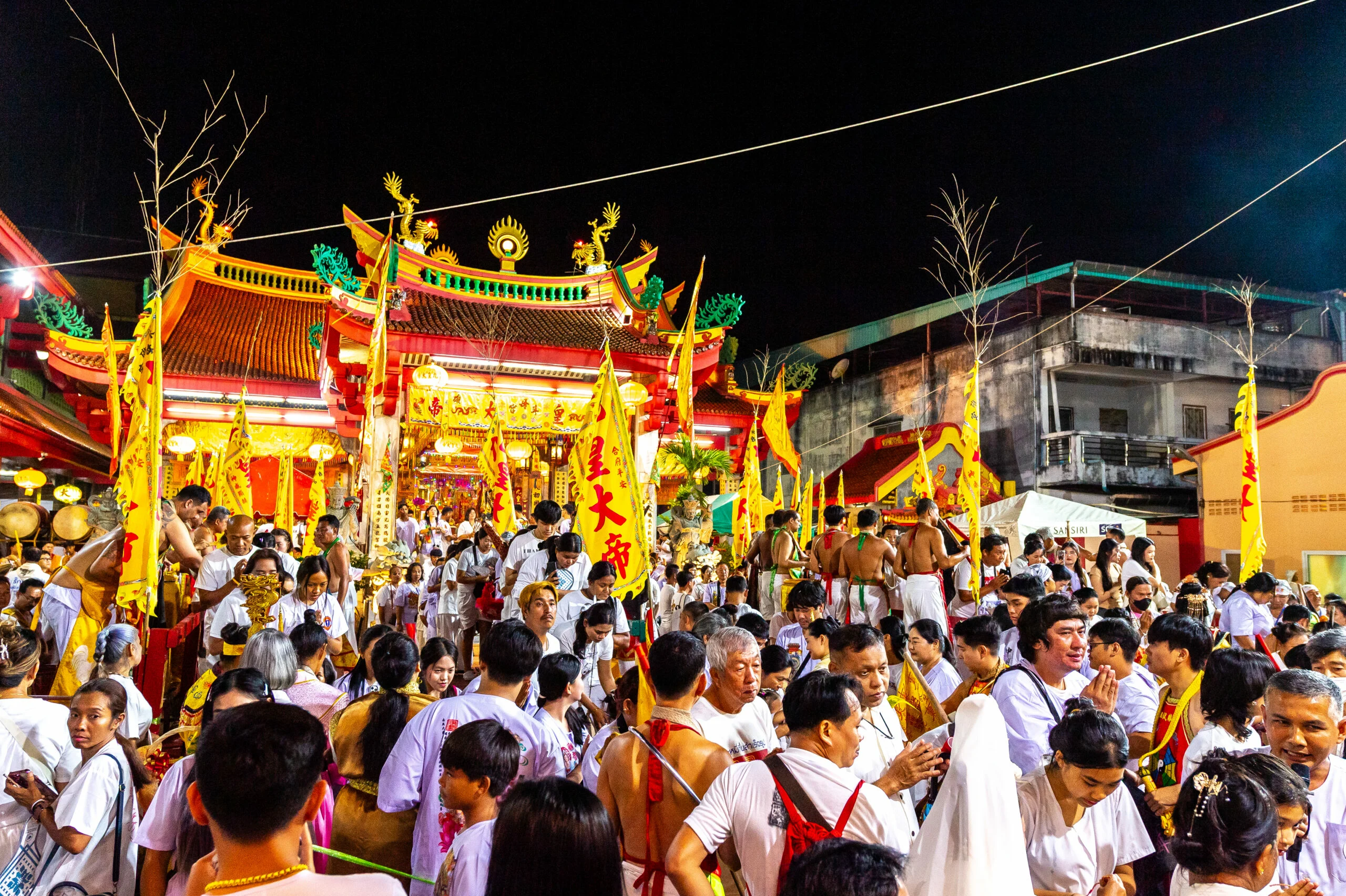
Central to the festival are the Iw Keng street processions, running from 11 to 18 October. During these, the Nine Emperor Gods are paraded through Phuket City, with residents erecting altars along the route. The processions feature flags, ceremonial signs, and palanquins, creating a vibrant tapestry of faith. A standout is the Ham Si Iw Keng night procession on 11 October, which involves over 40 shrines in a nocturnal display of devotion.
Key rituals include the Koi Han bridge-crossing, symbolising the cleansing of misfortune, and the Koi Hoi fire-walking, an act of spiritual purification. These ceremonies offer visitors a rare glimpse into practices that have been preserved for generations. The festival concludes on 18 October with farewell rituals for the Jade Emperor and the Nine Emperor Gods, drawing crowds along Thalang Road, Phuket Road, and Surin Circle.
On 16 October, the TAT Phuket Office will host a ceremonial reception for the Iw Keng procession, providing an additional vantage point for visitors. The festival also encourages exploration of historic shrines like the century-old Pudjor Shrine, recently restored to maintain its traditional Hokkien architecture.
Travel industry implications
For airlines and hoteliers, the festival represents a significant demand driver. The timing coincides with the launch of Virgin Atlantic's new London–Phuket nonstop service, which begins in October 2026, making it easier for European travellers to attend. This route addition is expected to boost arrivals during the festival period, and travel agents should anticipate increased bookings from the UK market.
On the ground, Phuket's hospitality sector is expanding to meet demand. The recent $300 million ICONPHUKET mega-destination by Siam Piwat is set to transform the island's retail and entertainment landscape, complementing the cultural offerings. For MICE planners, the festival provides a unique backdrop for incentive trips and corporate events, blending business with immersive cultural experiences.
Travel advisors can leverage the festival to craft specialised itineraries that combine beach relaxation with cultural immersion. The event also aligns with broader wellness trends, as seen in Chiva-Som Hua Hin's Q4 2026 wellness and cultural calendar, which emphasises holistic experiences. Phuket's own wellness offerings, from spas to yoga retreats, complement the festival's spiritual undertones.
For destination marketers, the festival is a key component of Phuket's year-round appeal. As October festivals across Asia reshape travel itineraries for 2026, the Phuket Vegetarian Festival stands out for its authenticity and depth. TAT's promotional efforts aim to position the event as a must-see for cultural travellers, and early indications suggest strong interest from key source markets.
In summary, the Phuket Vegetarian Festival 2026 is not just a cultural celebration; it's a commercial opportunity. From airlines to hotels, from tour operators to travel tech platforms, the festival offers a chance to engage with a growing segment of travellers who value heritage and authenticity. As Phuket continues to evolve as a global destination, events like this will play an increasingly vital role in its tourism strategy.