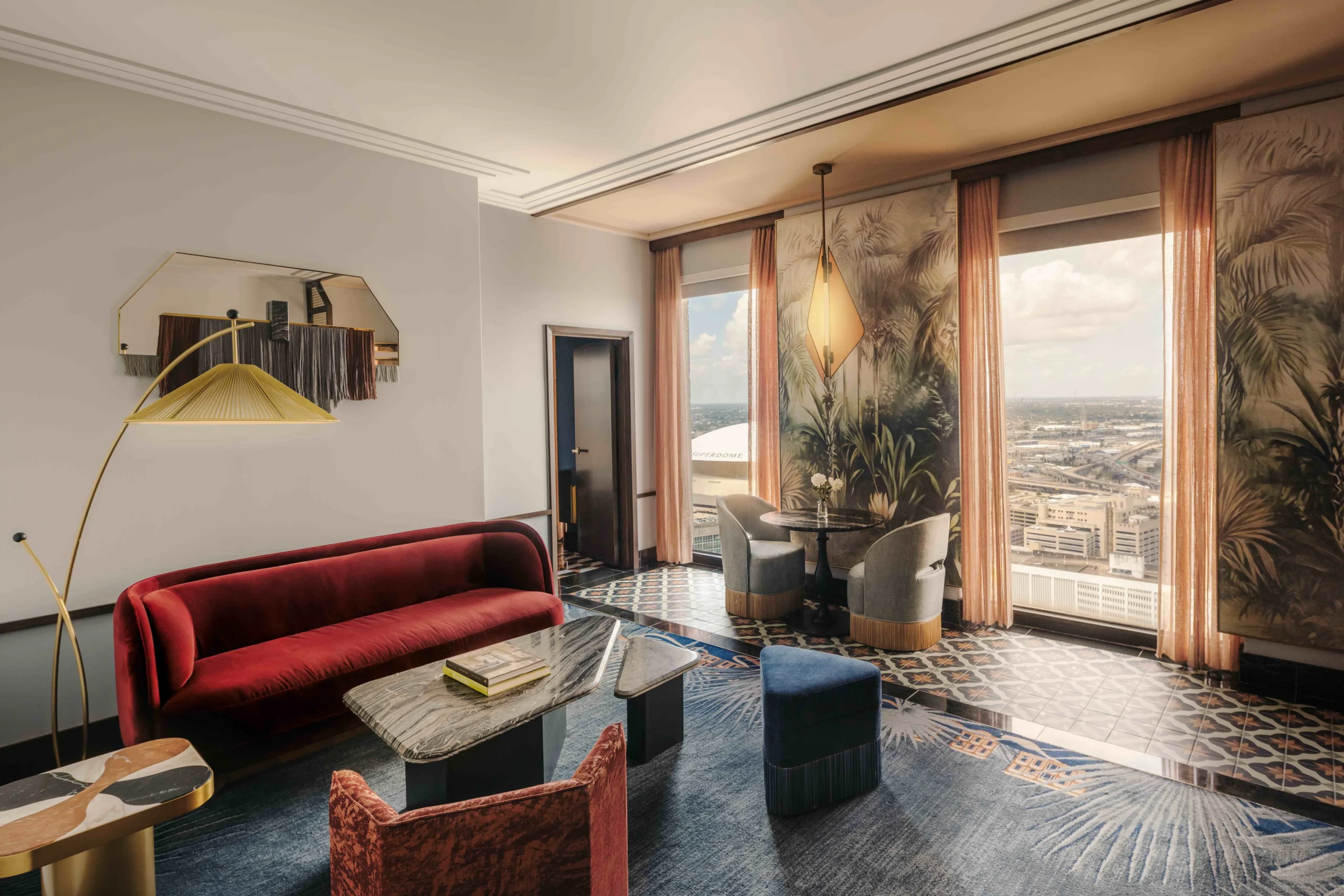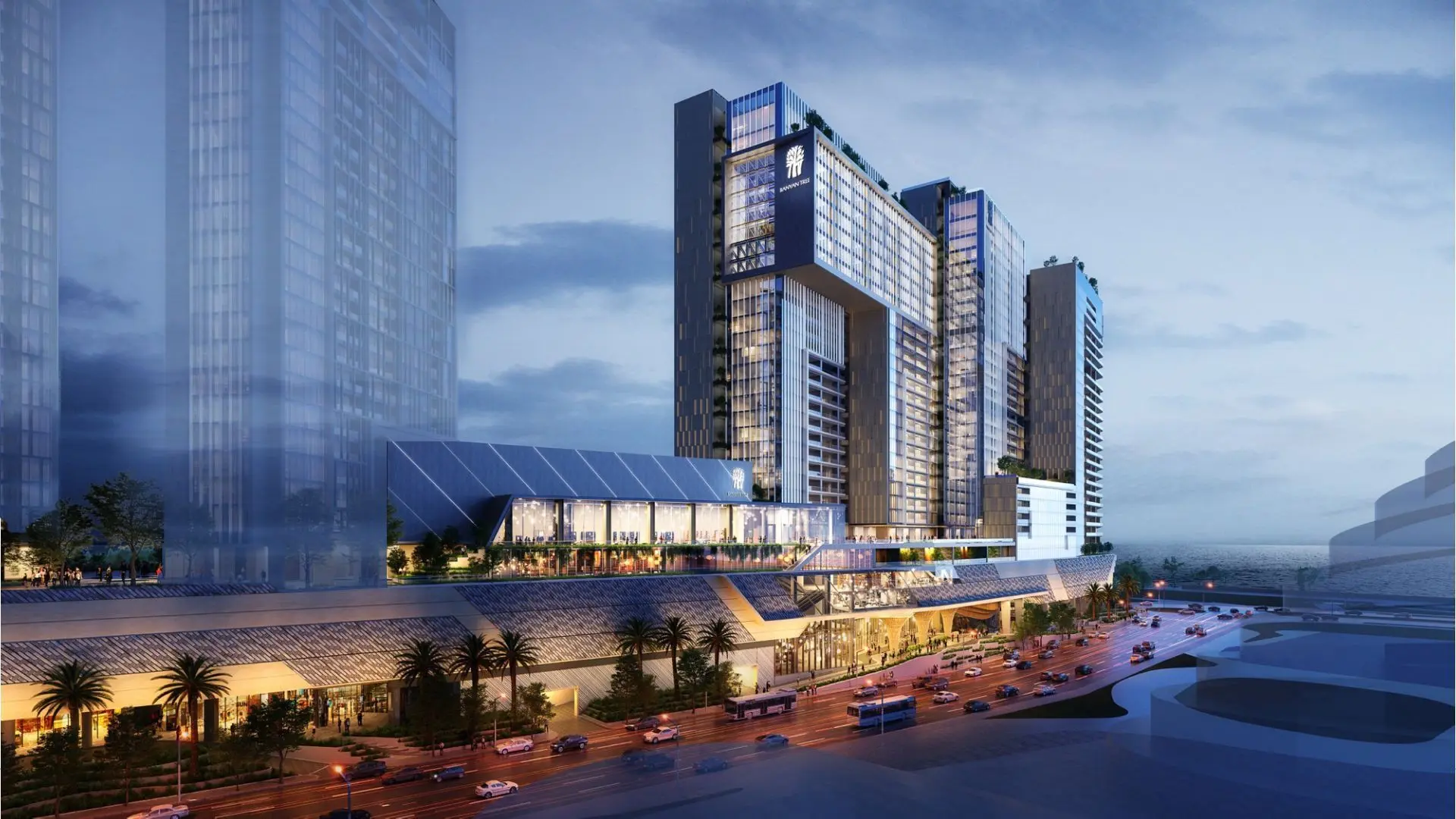
At the HoSkar Night Manila event, held on 29 October at the Grand Hyatt Manila, Savills Hotels senior director and head for Southeast Asia Mauro Gasparotti outlined the structural forces behind the region's luxury real estate boom, with branded residences emerging as a dominant asset class. Speaking to an audience of hoteliers, developers, and investors, Gasparotti identified hospitality and prime property as the two sub-sectors capturing the most momentum.
“Consumers are shifting away from merely buying material goods toward purchasing experiences, particularly at the high end,” he said. This shift, combined with economic uncertainty, is pushing affluent buyers toward prime residential acquisitions abroad as a hedge against inflation, a mechanism for wealth preservation, and a pathway for relocation.
Five priorities shaping buyer decisions
Gasparotti outlined five non-negotiable priorities that are guiding capital flows in the region:
- Global business and connectivity: Beyond predictable tax regimes, seamless international aviation and digital readiness dictate choice. “Digital infrastructure is far more than an in-unit Wi-Fi connection; it encompasses the complete smart ecosystem surrounding the resident,” he noted.
- Multi-generational living: With up to seven living generations co-existing today, floor plates are expanding. Developers are no longer merely selling condominiums; they are building communities with dedicated amenities for all age brackets.
- Legacy and wealth preservation: As the largest intergenerational wealth transfer unfolds, buyers seek assets engineered to retain capital value. An established operator guarantees operational consistency and long-term asset stewardship.
- Lifestyle and wellness: Driven by curated gastronomy and preventive longevity design, wellness real estate reflects the reality that individuals spend roughly 90 per cent of their lives indoors.
- Comprehensive security: Traditional physical guards now sit alongside enterprise-grade cybersecurity to safeguard smart home systems and private access.
Branded residences have emerged as the premier vehicle unifying these demands. The sector has expanded globally by over 180 per cent, with the Asia-Pacific region growing at twice the global average and positioned to outstrip both Dubai and the United States.
Regional dynamics: Vietnam, Thailand, Philippines
Regional dynamics, however, tell distinct stories. Vietnam has surged as a global heavyweight, where pre-selling branded condotels served developers as a vital capital-raising tool amidst high domestic borrowing rates. Thailand boasts a mature, balanced landscape spanning metropolitan Bangkok and prime beachfront enclaves in Phuket. Meanwhile, the Philippines presents significant untapped potential despite its own economic and political headwinds.
Gasparotti explained that the Philippine market is at an early stage with substantial upside, having originated in urban Metro Manila before venturing into resort destinations. Compared to ultra-luxury benchmarks in Bangkok or Vietnam, substantial runway remains for local developers.
Diversification of property types
Gasparotti also pointed to the diversification of property types throughout the region. Beyond traditional co-located hotel residences and condotel rental pools, standalone residential towers managed by global hospitality groups are gaining traction. Non-hotel entrants—ranging from fashion houses to automotive marques—are also securing market share through design-led licensing partnerships.
This trend aligns with broader shifts in luxury travel and hospitality. For instance, Janu's new branded residences on Al Marjan Island reflect the growing appetite for hotel-branded living spaces. Similarly, Jin Jiang Hotels' Renjoy debut in Southeast Asia signals how international operators are expanding their footprint in the region.
Gasparotti also noted that wellness and gastronomy are becoming integral to luxury real estate, echoing the surge in gastronomic tourism as travelers prioritize wellness and local flavors. This convergence of lifestyle and real estate is reshaping how developers approach new projects.
However, in closing, Gasparotti issued a sharp caveat to ambitious builders: prestige branding cannot compensate for deficient fundamentals. “A hospitality flag alone will not salvage an uninspired scheme; lasting premiums belong strictly to developers who ground their assets in intelligent space planning, robust infrastructure, and authentic wellness integration,” he said.