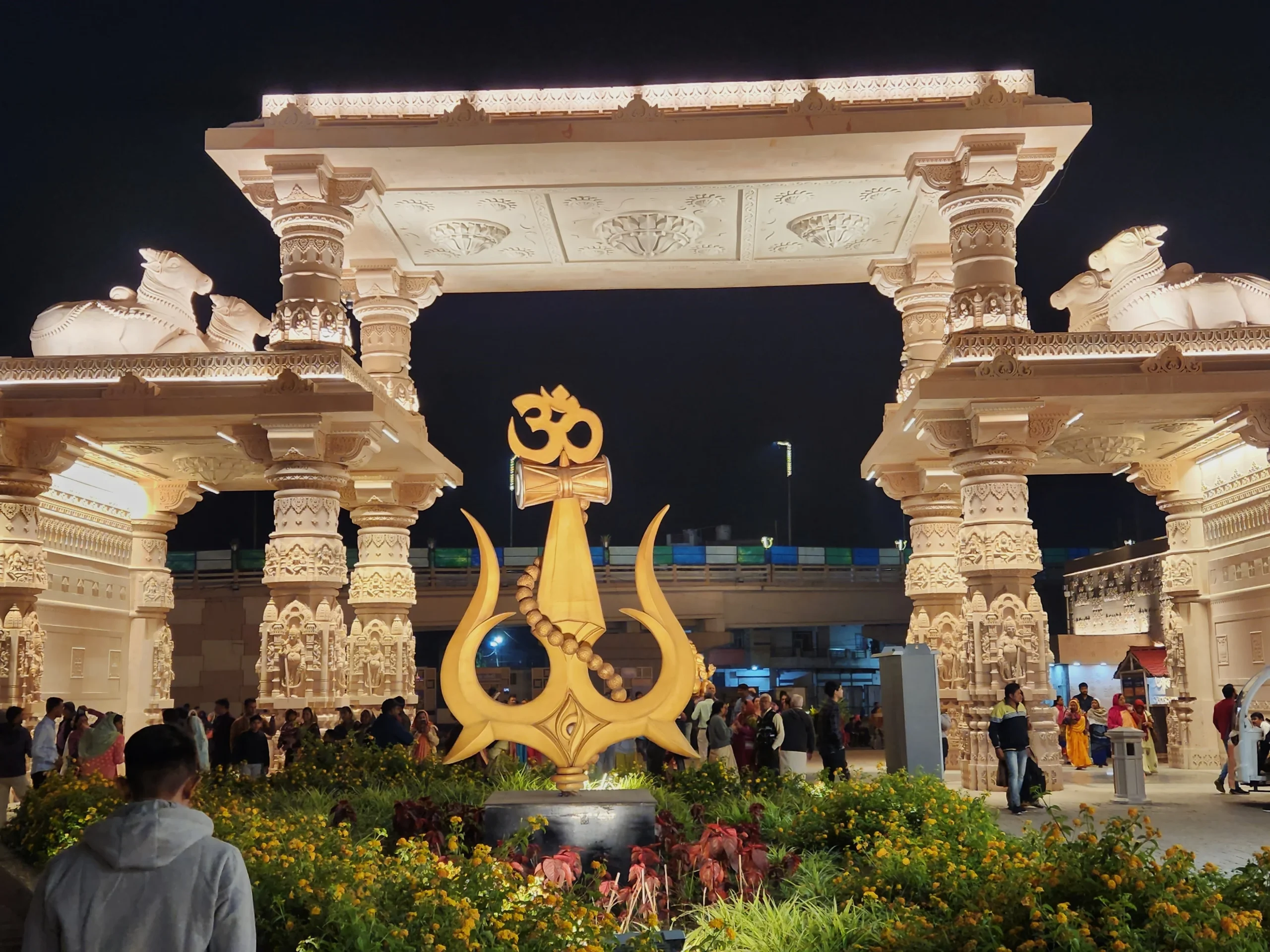
Agoda's latest accommodation search data for September reveals a significant uptick in interest for spiritual destinations across India and Southeast Asia, signaling a growing segment for travel professionals to watch. The digital travel platform's numbers show that Indian travelers are increasingly prioritizing faith-based and cultural experiences when planning trips.
India's sacred sites see dramatic search growth
Pachmarhi, a hill station in Madhya Pradesh often called the "Queen of Satpura," saw searches surge nearly sevenfold year-on-year. Known for the Jatashankar Temple and its scenic landscapes, Pachmarhi is emerging as a key destination for domestic spiritual tourism. Ujjain, also in Madhya Pradesh, recorded a threefold increase in searches, driven by the Mahakaleshwar Temple, one of the twelve Jyotirlingas.
Puri, home to the Jagannath Temple, doubled its search interest, while Varanasi, a city synonymous with Hindu pilgrimage, saw a 44% rise. Tirupati, featuring the Sri Venkateswara Temple, experienced a 29% increase, reinforcing its status as a major pilgrimage hub.
Gaurav Malik, Country Director for Agoda, commented, "Agoda's 2026 Travel Outlook Report found that 19% of Indian respondents consider spiritual or religious experiences when planning a trip this year." This trend is reflected in the growing interest in both domestic and international spiritual destinations.
Southeast Asia benefits from spiritual travel spillover
Beyond India, Southeast Asian cities are also capturing the attention of spiritual travelers. Hanoi saw a 58% increase in searches, offering a blend of historic and cultural experiences. Da Nang's search interest rose by 50%, with its beaches and cultural sites like the Linh Ung Pagoda attracting visitors. Kuala Lumpur recorded a 35% increase, with its multicultural heritage and landmarks such as Batu Caves drawing interest. Bali, with its mix of beaches and temples, saw a 24% rise.
This regional growth aligns with broader trends in the travel industry. For instance, Vietnam's search surge in Southeast Asia earlier this year highlighted the region's appeal, and now spiritual travel is adding another dimension.
Implications for travel industry stakeholders
For airlines, hoteliers, and tour operators, these figures underscore the importance of catering to spiritual travelers. Destinations like Ujjain and Varanasi could benefit from enhanced connectivity and tailored packages, while Southeast Asian cities might see increased demand from Indian tourists seeking cultural immersion.
Agoda's extensive network of over 6 million hotels and holiday properties facilitates these diverse travel experiences, making it easier for travelers to book accommodations near sacred sites. The platform's data also suggests that spiritual travel is not just a niche but a significant driver of demand, with implications for destination marketing and product development.
As the trend continues, travel professionals should monitor search patterns to identify emerging hotspots. The rise of spiritual travel also aligns with the growing interest in race-cations and endurance events, as travelers seek meaningful experiences beyond traditional leisure.
Agoda's findings offer a clear signal: spiritual tourism is a growing force in the Asian travel market, and those who adapt early will be well-positioned to capture this demand.