Sleep tourism is emerging as a distinct segment within Asia's wellness travel market, and Agoda is positioning itself at the forefront. The digital travel platform has curated a list of destinations across the region that cater to travelers seeking rest and recovery rather than packed itineraries. This shift is fueled by rising burnout rates, chronic sleep issues, and a growing consumer focus on mental and physical well-being.
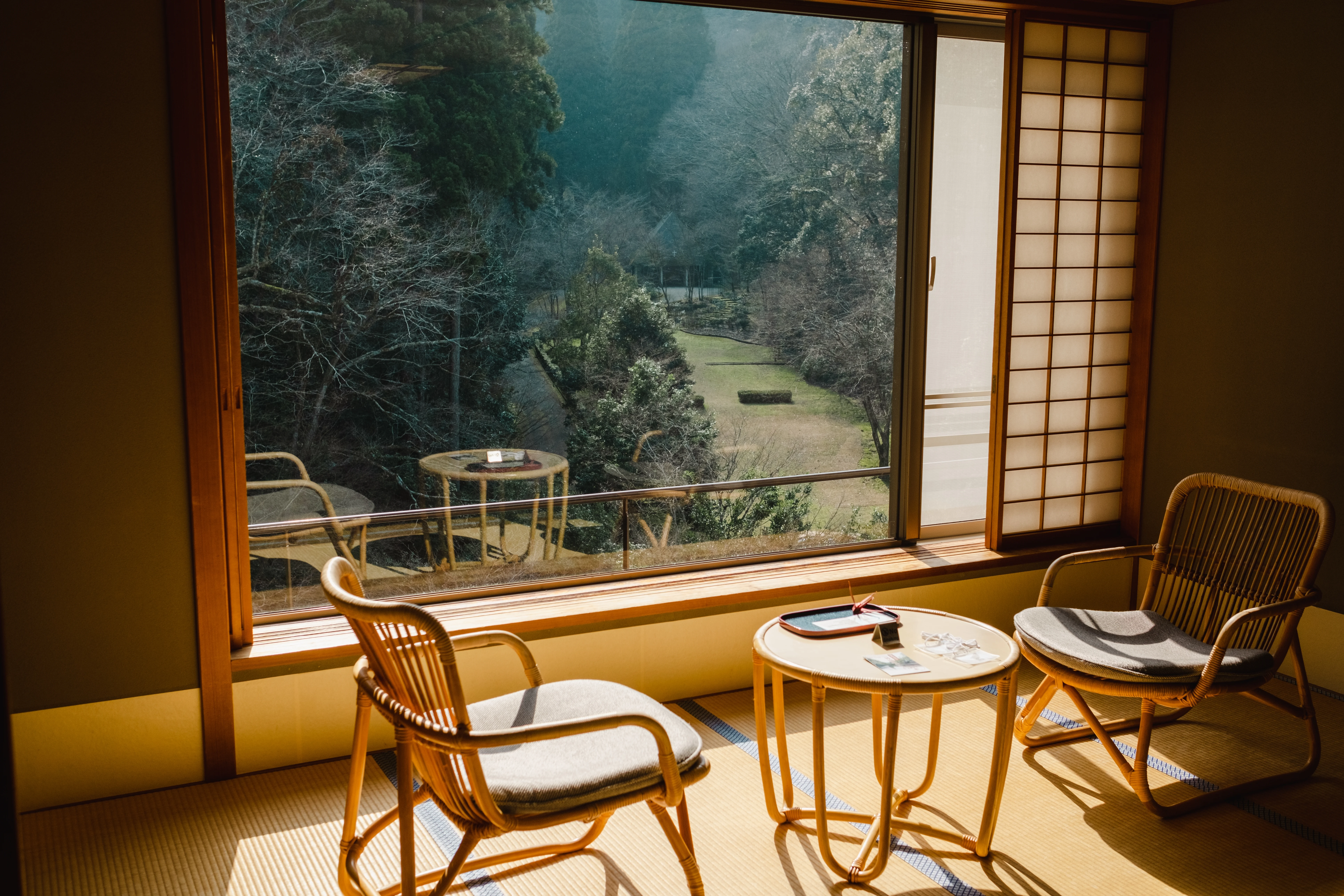
Among the featured locations is Kinosaki Onsen in Japan, a town known for its seven public bathhouses and car-free streets. The mineral-rich hot springs and willow-lined canals create a serene atmosphere that encourages relaxation and better sleep. In Thailand, Khao Yai offers a cooler, quieter alternative to coastal wellness hubs, with its dark skies and forested surroundings just two hours from Bangkok.
Further afield, Sumba in Indonesia boasts some of the darkest night skies in the region, with ocean-facing accommodations designed for silence rather than nightlife. Damyang in South Korea is celebrated for its bamboo forests and near-total quiet after sunset, aligning with the Korean concept of healing. Vietnam's Ba Be Lake, less crowded than Sapa, provides a peaceful retreat with lakeside homestays and ecolodges. Finally, Alishan in Taiwan offers cooler air and a slower pace, with mountain lodges focused on early nights and forest air.
Wellness travel's new frontier
Andrew Smith, Senior Vice President of Supply at Agoda, noted, "Sleep tourism reflects a broader shift we're seeing across Asia's wellness travel landscape." Agoda aims to facilitate this trend by offering accommodations tailored to rest-focused travel, from traditional ryokans to eco-lodges.
The rise of sleep tourism is part of a larger movement in the travel industry, where wellness is no longer an afterthought but a primary motivator for trip planning. According to the Global Wellness Institute, wellness tourism is projected to grow significantly, and Asia is a key driver of this expansion. Agoda's initiative taps into this demand, providing travelers with curated options that prioritize rest and rejuvenation.
For travel professionals, this trend presents opportunities to develop and market sleep-focused packages. Hotels and resorts can differentiate themselves by offering amenities such as blackout curtains, soundproofing, and sleep-enhancing services. Destinations with natural quiet and dark skies, like Sumba and Damyang, can attract a niche but growing audience.
Agoda's list also highlights the importance of secondary destinations, which can alleviate overtourism pressures in popular spots. By promoting places like Ba Be Lake and Alishan, the platform encourages travelers to explore lesser-known areas, aligning with broader industry efforts to distribute tourism more sustainably. This approach is echoed in recent discussions at the PATA Travel Mart, where secondary destinations were spotlighted as a solution to overtourism.
The sleep tourism trend also intersects with other emerging travel behaviors, such as skip-gen travel, where grandparents and grandchildren travel together, often with a focus on relaxation and bonding. Agoda's data on repeat visitors and seasonal demand, such as Tokyo leading repeat visits, indicates that wellness and rest are becoming key factors in destination loyalty.
As the travel industry evolves, sleep tourism is likely to become a staple in wellness offerings. Agoda's proactive approach in curating these destinations demonstrates a keen understanding of traveler needs and market trends. For hoteliers and tour operators, adapting to this demand could be a competitive advantage in the coming years.
With the rise of remote work and flexible travel, the lines between business and leisure are blurring, and rest-focused travel is gaining traction. Agoda's initiative is a timely response to this shift, offering travelers a chance to truly disconnect and recharge. As Andrew Smith emphasized, the trend reflects a broader change in how people approach travel, prioritizing well-being over sightseeing.