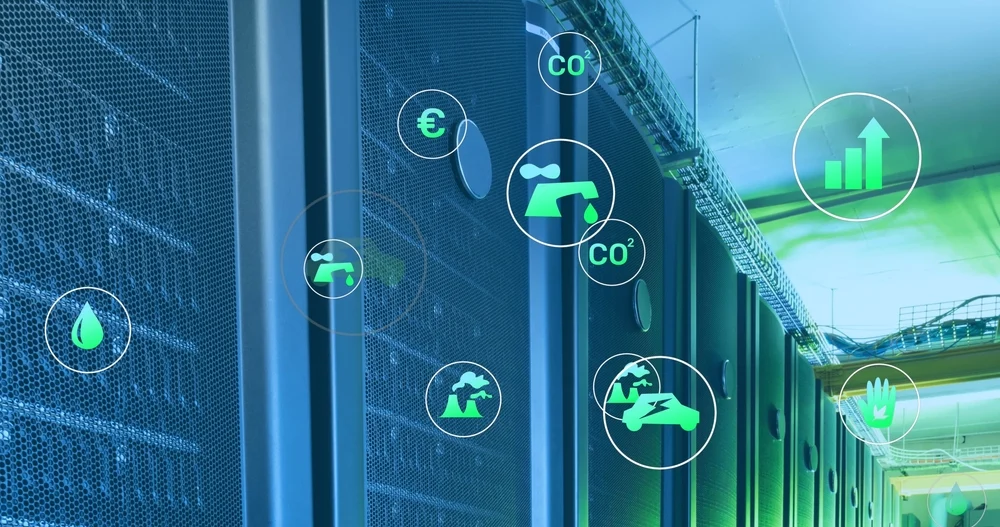
The travel industry's embrace of artificial intelligence is creating an unintended consequence: surging utility costs driven by the rapid expansion of AI data centers. Hotels, airlines, and destinations that rely on cloud-based systems for reservations, check-ins, and loyalty programs are now competing with technology infrastructure for essential resources like electricity and water.
Data centers have become the invisible backbone of modern travel. Airlines such as Emirates and Delta Air Lines depend on cloud platforms for crew scheduling, baggage management, and predictive maintenance. Hotel groups like Marriott International and Accor use property management systems and channel managers hosted in these facilities. Online travel agencies like Booking Holdings and Expedia Group process millions of real-time searches daily through interconnected servers. As AI deepens its role—from occupancy forecasting to personalized guest offers—the dependency on resilient digital infrastructure grows.
Resource Competition Intensifies
The energy and water demands of AI data centers are immense. A single large facility can consume as much electricity as a small town, while cooling systems require significant water volumes. In destinations already facing heatwaves or drought—such as Barcelona, Dubai, or parts of Southeast Asia—this creates direct competition with tourism infrastructure. Hotels, convention centers, and attractions need reliable power for air conditioning, lighting, and operations; water shortages can affect landscaping, pool services, and guest amenities.
According to industry analysts, utility costs for hotels could rise by 10-15% in regions where data center expansion strains local grids. This pressure is particularly acute in the Gulf, where countries like the United Arab Emirates and Saudi Arabia are positioning themselves as global cloud hubs. The region's data centers support not only travel companies but also government and financial services, making them strategically vital during periods of geopolitical tension.
Travel businesses must now factor digital infrastructure into their resilience planning. Diversifying cloud providers—for example, using both Amazon Web Services and Microsoft Azure—can reduce single-point-of-failure risks. Strengthening cybersecurity and developing disaster recovery plans are equally critical, as disruptions to telecommunications or energy networks can cascade into operational outages.
Hotels can mitigate long-term costs through energy-efficient technologies, such as LED lighting and smart HVAC systems, and by procuring renewable power. Water recycling initiatives, already adopted by properties like the Six Senses resorts, help reduce dependency on strained municipal supplies. Destinations pursuing sustainability goals must balance tourism growth with data center expansion, ensuring that local resources are not overexploited.
The broader implication is clear: as AI transforms hospitality, the industry's operational risks extend far beyond the hotel lobby or departure gate. Business continuity now includes cloud resilience, and protecting the resources that sustain data centers will be a defining challenge for travel leaders in the coming decade.