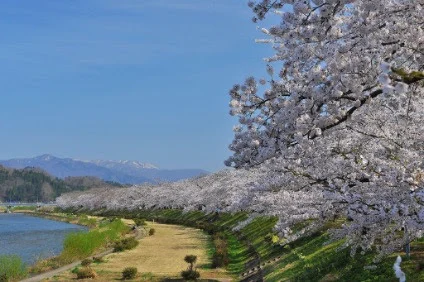
As Tokyo's sakura season winds down, Akita Prefecture is positioning itself as a compelling second act for spring travel in Japan. The region's signature weeping cherry trees in Kakunodate—often called the “Little Kyoto of Tohoku”—reach full bloom from mid to late April, offering tour operators and travel agents a practical way to stretch the cherry blossom calendar for clients who missed the capital's peak.
Kakunodate: a samurai-era backdrop for late blossoms
Kakunodate's historic samurai district, with its preserved black-paneled residences, provides an atmospheric setting for blossom viewing that differs markedly from Tokyo's urban parks. The weeping cherry trees here are older and more sculptural, and the 2km corridor along the Hinokinai River creates a linear walking route that suits small-group touring. For travel professionals, this is a destination that combines cultural heritage with a distinct seasonal draw—one that peaks when most of Japan's mainstream blossom spots have already shed their petals.
The timing is deliberate. Akita's cooler climate pushes the bloom later, and the prefecture's tourism board has been marketing this window to international visitors looking to avoid the crowds of Kyoto and Tokyo. For wholesalers building multi-city Japan itineraries, Akita slots neatly into a late-April extension after the Golden Week rush begins.
Beyond blossoms: onsen, lakes, and local produce
Just 30 to 45 minutes from Kakunodate, Lake Tazawa—Japan's deepest lake—and the Nyuto Onsen hot spring village offer a contrasting landscape. Depending on snowmelt, travelers can still experience open-air baths surrounded by lingering snow, a detail that resonates with luxury and adventure clients alike. The region's culinary identity is equally strong: Akita Wagyu beef and Hinai-jidori chicken are protected local breeds that give food-focused itineraries a distinct hook.
For groups, Akita City provides a practical base with a range of restaurants and accommodation options that can handle larger parties. The city also serves as a gateway to the wider prefecture, and its dining scene—from kiritanpo hotpot to sake breweries—adds a gastronomic layer that agents can package with the blossom viewing.
Access and logistics for the trade
Connectivity is a key selling point. The Akita Shinkansen Komachi service runs direct from Tokyo and Sendai, cutting travel time to roughly three hours from the capital. This makes the region viable for both independent travelers and escorted groups, and it aligns with broader trends in Japan's regional tourism push. As Asia's luxury travelers shift toward experiences, Akita's blend of nature, heritage, and cuisine fits the brief.
The prefecture also accommodates dietary restrictions, with pork-free and vegetarian meal options available on request—a practical detail for agents handling diverse client groups. This flexibility, combined with the late bloom window, gives Akita a clear niche in the spring travel market.
For travel advisors, the message is straightforward: Akita offers a way to sell Japan in late April without the peak-season congestion of the Golden Route. Whether it's a shift beyond traditional seasonal offerings or a deliberate extension of the sakura season, the prefecture's spring product is now easier to package and promote.
As Japan continues to diversify its regional tourism, Akita's late-blooming cherries and onsen culture provide a credible alternative for clients seeking depth beyond Tokyo. With direct rail links and a growing range of group-friendly services, the prefecture is well placed to capture a share of the spring travel spend.