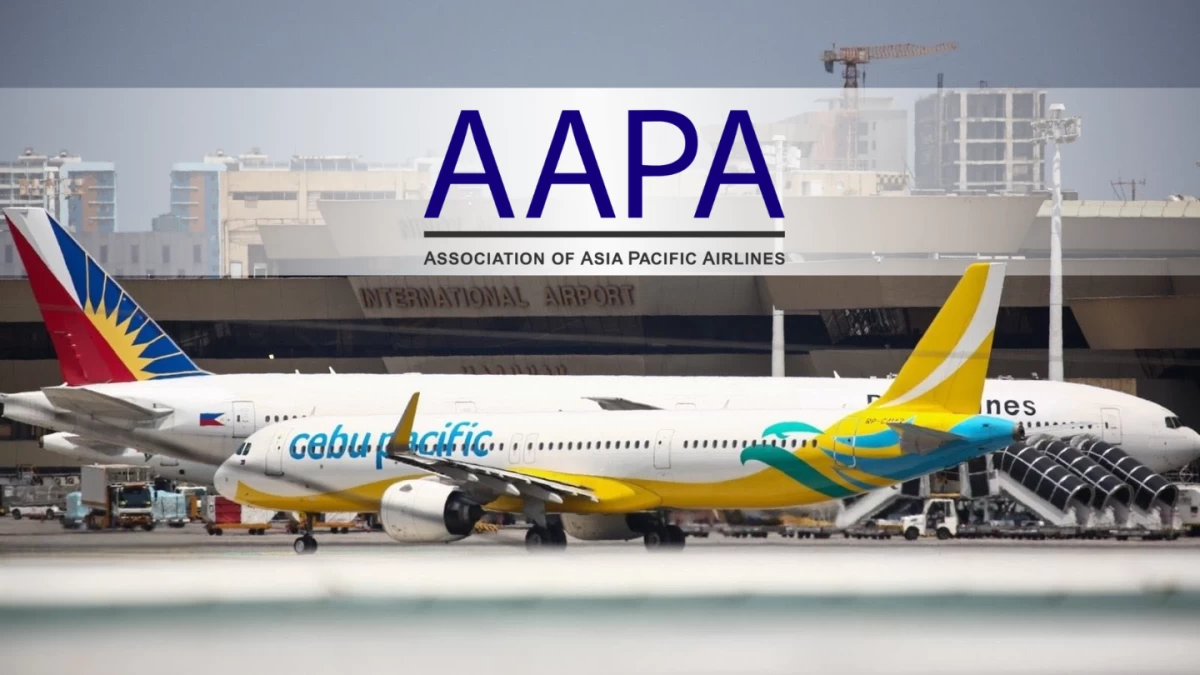
Asia Pacific carriers collectively earned a net profit of $12.1 billion in 2025, according to preliminary data from the Association of Asia Pacific Airlines (AAPA). The result marks a second consecutive year of profitability for the region’s airlines, supported by sustained passenger and cargo demand and a meaningful decline in jet fuel prices.
Operating revenue for AAPA member airlines reached $223.7 billion, up 4.3% from $214.5 billion in 2024. Passenger revenue grew 4.7% to $178.4 billion, driven by a 7.7% increase in revenue passenger kilometres (RPK). That traffic growth more than offset a 2.8% drop in passenger yields, reflecting competitive pricing pressures across key routes such as Singapore–Tokyo, Bangkok–Sydney, and Hong Kong–London.
Cargo revenue edged up 1.4% to $23.6 billion, even as cargo yields fell 2.0%. The region’s freight operators, including Cathay Pacific Cargo and Singapore Airlines Cargo, benefited from e-commerce demand and cross-border trade flows, particularly on transpacific and intra-Asia lanes.
Cost Pressures Persist Despite Fuel Relief
Total operating expenses rose 4.3% to $209.4 billion. Non-fuel costs jumped 7.8%, driven by supply chain disruptions, labour inflation, and higher maintenance and leasing expenses. The ongoing grounding of certain aircraft types and delays in new deliveries have forced carriers like Cathay Pacific to adjust network plans and extend leases on older aircraft.
Fuel expenditure, however, fell 3.7% to $58.3 billion, as global jet fuel prices dropped 9.5% year-on-year. That decline provided critical margin relief, particularly for long-haul operators such as Qantas, ANA, and Korean Air, which face high fuel burn on routes to North America and Europe.
Wong Hong, AAPA Director General, said: “Asia Pacific airlines entered 2025 from a position of strength, with robust passenger and cargo demand supporting another year of profitable growth.” He cautioned, however, that geopolitical tensions and rising jet fuel prices could pose headwinds in the second half of the year.
Looking ahead, Wong Hong expressed optimism about continued network expansion and service enhancements, despite increasing cost pressures. The region’s carriers are investing in premium cabins, digital retailing, and ancillary revenue streams to offset yield erosion. For example, Vietnam Airlines recently launched an automated IFE microsite to enhance the passenger experience and generate ancillary revenue.
The AAPA data aligns with broader industry trends. IATA’s 2025 premium travel data shows Asia-Pacific dominating global long-haul routes, with premium cabin demand surging on sectors like Singapore–London and Hong Kong–Los Angeles. Meanwhile, China’s Big Three airlines—Air China, China Eastern, and China Southern—continue to face margin pressure from high fuel costs and domestic overcapacity, as highlighted in their recent Q2 results.
For travel professionals, the takeaway is clear: Asia Pacific aviation remains on a growth trajectory, but cost discipline and yield management will be critical. Hoteliers, tour operators, and travel-tech vendors should watch for capacity increases on key trunk routes, which will drive inbound tourism and corporate travel demand across the region.