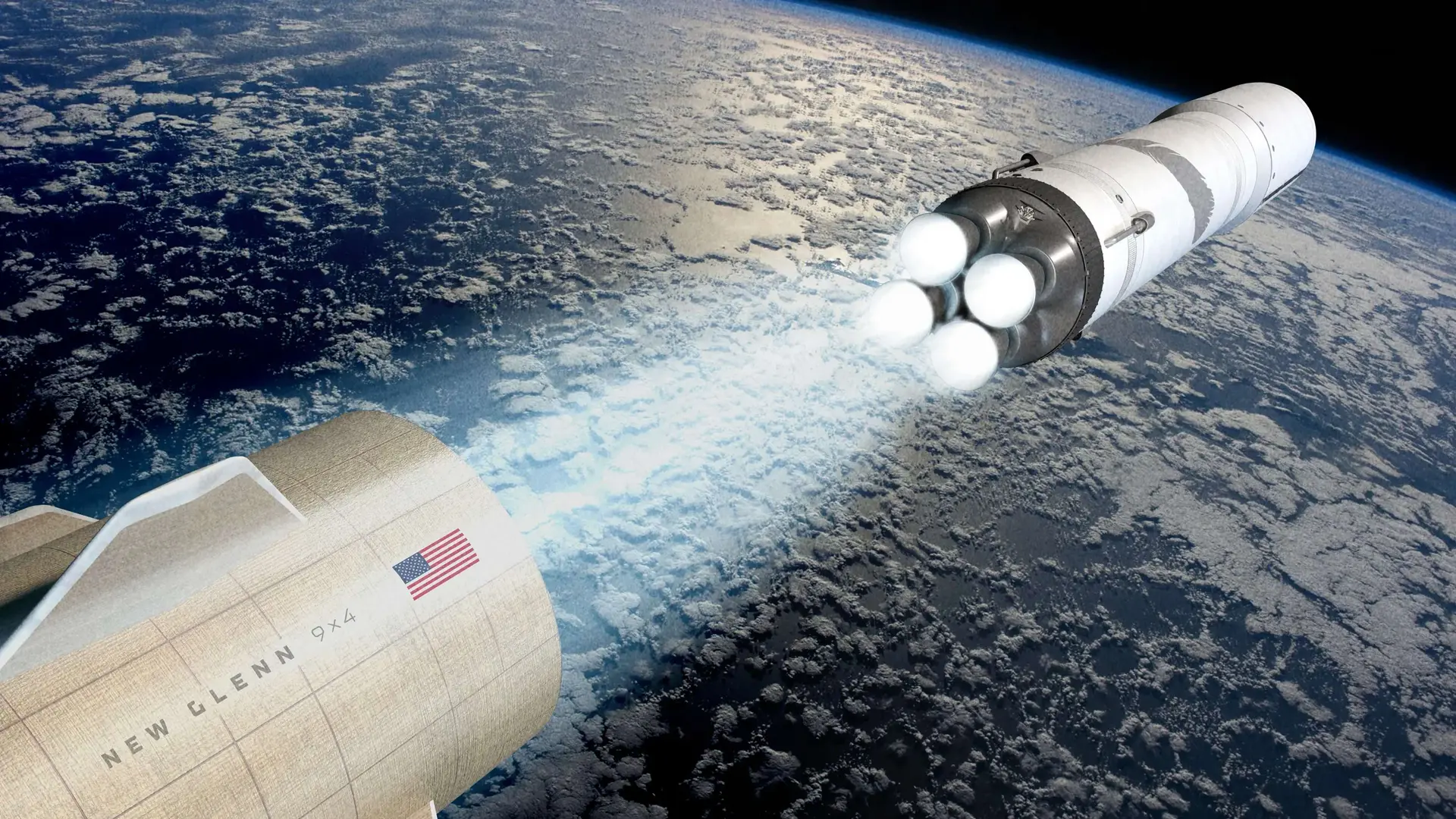
Blue Origin's decision to pause its New Shepard suborbital tourism flights marks a pivotal moment for commercial space travel. Announced on January 30, 2026, the company will redirect resources toward its human lunar programme, including the Blue Moon lander and work supporting NASA's Artemis missions. The pause comes just eight days after New Shepard's 38th flight, which had carried 98 people above the Kármán line, and with a multi-year customer backlog already in place.
For travel industry professionals, the shift raises questions about the future of space tourism and the broader commercial space economy. New Shepard had established the basic proposition of space tourism: a highly exclusive, minutes-long journey offering weightlessness and views of Earth from above the atmosphere. Since its first crewed flight in 2021, it has flown a diverse group of private astronauts, including business leaders, scientists, and educators.
From suborbital hops to orbital destinations
Blue Origin's ambitions have always extended beyond brief suborbital flights. Its Orbital Reef project, developed with partners including Sierra Space, aims to create a commercially operated destination in low Earth orbit. The concept goes beyond tourism, with research, manufacturing, and commercial activity forming part of the proposed business model. A traveller staying in orbit for several days would need accommodation, food, communications, recreation, and a programme of activities—an operating model unlike anything on Earth, yet the underlying proposition of selling time, accommodation, and experiences is familiar to the hospitality sector.
NASA is actively supporting the infrastructure that could make such a market possible. The agency plans to transition from the International Space Station to commercially owned and operated low Earth orbit stations as the ISS approaches the end of its operational life around 2030. NASA's strategy is explicit: it wants to become one customer among several, purchasing services from commercial operators rather than being the sole anchor of human activity in low Earth orbit. The agency's Commercial Space Stations programme includes work involving Axiom Station, Blue Origin's Orbital Reef, Starlab, and Vast's Haven-1, among others. In July 2026, NASA released a draft request for proposals for the next phase of its strategy, signalling industry belief that a viable marketplace can emerge.
The business case for commercial stations will initially depend heavily on government contracts, research, and other commercial activities. Tourism alone is unlikely to carry the cost of an orbital station, but private astronauts and other visitors can provide an additional revenue stream while helping operators develop the procedures, customer service, and infrastructure required for a broader commercial market.
Destination economies: Florida and Texas lead the way
The tourism opportunity begins well before anyone reaches orbit. Florida already offers a working example of how space can become part of a destination economy. The Kennedy Space Center Visitor Complex has turned the US space programme into a major visitor attraction, linking NASA's history with spacecraft exhibits, astronaut experiences, and launch-related activity. The next stage could be more closely tied to the commercial launch industry, with travellers combining a Kennedy Space Center visit with launch-viewing experiences, spaceflight simulations, or astronaut training. Hotels, restaurants, transport companies, and specialist tour operators could capture spending around these activities.
Texas presents a different proposition. Blue Origin's Launch Site One in West Texas has placed commercial human spaceflight in a region better known for its desert landscape and aerospace activity. As launch frequency grows, the surrounding visitor economy has an opportunity to develop its own ecosystem of accommodation, dining, events, and specialist space experiences. This mirrors broader trends in airport terminals shifting from transit machines to human-centred spaces, where the journey itself becomes part of the experience.
The lunar prize and near-term opportunities
The longer-term prize is the Moon. Blue Origin's decision to redirect New Shepard resources towards lunar human flight puts the company's space-tourism story on a very different trajectory. Reuters reported that the shift is linked to the development of Blue Moon and Blue Origin's work under a NASA contract to support the agency's lunar ambitions. Lunar holidays remain a distant prospect, with formidable technology, cost, safety, regulation, and infrastructure challenges. There is no established mass market waiting for a lunar resort.
The more immediate opportunity for US destinations is to build an economy around the growing commercial space sector: launch events, spaceports, visitor centres, training experiences, research tourism, and eventually orbital stays. NASA has itself recognised that creating a successful commercial low Earth orbit economy will require more than hardware. The agency has identified customer development, business models, outside investment, and market barriers as critical issues for the industry.
That is where travel and aerospace begin to intersect. Blue Origin's New Shepard pause is therefore less a story about the end of space tourism than a sign of an industry changing its priorities. The first commercial flights proved that private citizens would pay to experience space. The next challenge is much broader: building the infrastructure and services that could turn space into a sustainable travel destination. For travel professionals, the lessons from this shift echo those seen in other sectors, such as short-term rentals outpacing hotels as geopolitical shocks reshape travel—adaptability and long-term vision are key.