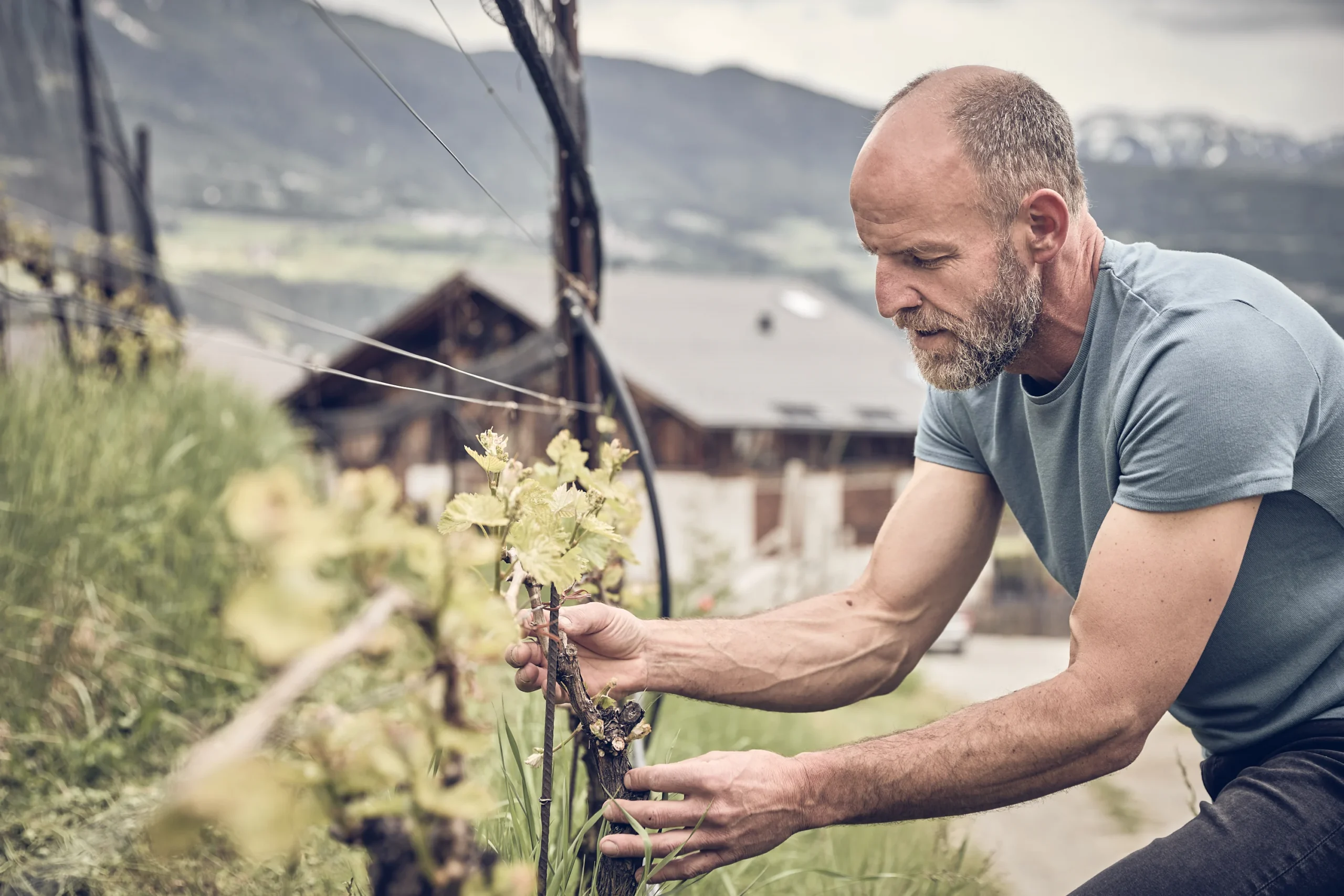
Wine tourism in Italy's South Tyrol region is undergoing a transformation, with Brixen and the Eisack Valley emerging as a model for immersive, culture-driven experiences. According to the Italian Wine Tourism Report by Roberta Garibaldi, wine has become a primary motivator for travel decisions, with visitors seeking authentic connections to local producers and their narratives. In Brixen, this trend is being harnessed through a coordinated approach that weaves wine into the fabric of hospitality, gastronomy, and the alpine landscape.
A Regional Identity Built on Sylvaner
The Eisack Valley, one of Italy's northernmost wine regions, has built its identity around the Sylvaner grape. The collaborative initiative "Sylvaner and the Eisack Valley" brings together winegrowers, restaurateurs, and tourism operators to present wine as a cultural expression rather than a mere product. Teresa Pichler of Haller Suites & Restaurant notes, "Travellers appreciate regional products and authentic encounters with the people who shape this region." This sentiment is echoed across the valley, where wine is integrated into guest experiences at properties like Hotel Elephant and Haller Suites & Restaurant, offering tastings and vineyard tours.
Visitors can explore a range of wineries that offer distinct perspectives on viticulture. At Pacherhof, tours cover both historic and modern cellars, while Kuenhof focuses on the interplay between climate and vine cultivation. Griesserhof provides an educational journey into terroir before tastings. Paul Huber of Griesserhof emphasizes, "Wine should not only be tasted; it should be experienced." This philosophy extends to collaborations with local artisans, such as cheese affineur Hansi Baumgartner, who produces wine-infused cheeses that pair with the region's Sylvaner.
The region's approach aligns with broader shifts in luxury travel, where travelers increasingly seek deeper, more meaningful experiences over superficial sightseeing. Brixen's wine tourism model offers a template for destinations looking to differentiate through authenticity and cultural immersion.
As the 2026 harvest approaches, local winegrowers anticipate an early start, with optimism for an excellent vintage. Brixen's wine tourism continues to offer year-round experiences, celebrating the region's rich wine culture and landscape. This integrated approach not only boosts local tourism but also strengthens the economic ecosystem for growers, hoteliers, and restaurateurs.
For travel professionals, Brixen's strategy demonstrates how a destination can leverage a single agricultural product to create a multifaceted tourism product. The success of the "Sylvaner and the Eisack Valley" initiative offers lessons in collaboration, storytelling, and experience design that can be applied to other wine regions and beyond.