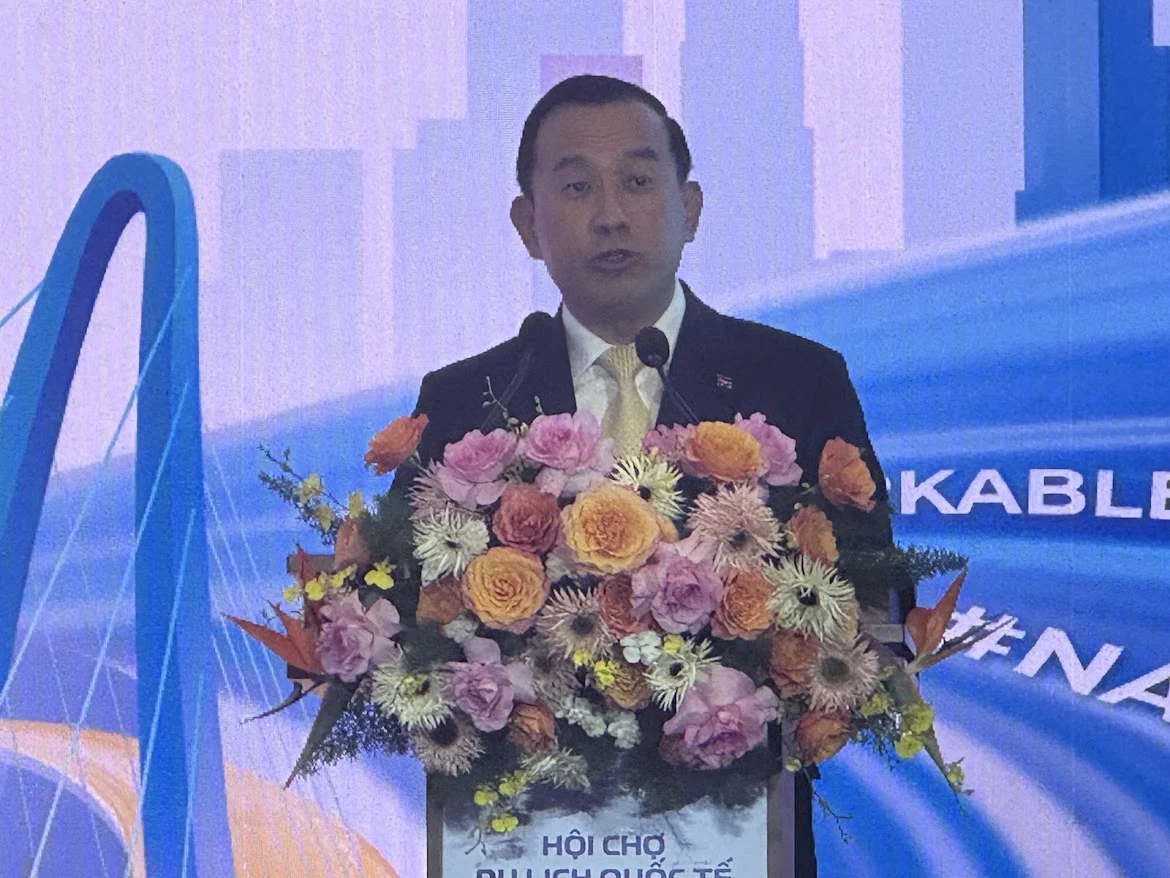
At the High-Level Tourism Forum held during ITE HCMC 2026 at the Saigon Exhibition and Convention Centre (SECC), Cambodia's Minister of Tourism Huot Hak delivered a clear message to Mekong-region destination leaders: stop counting heads and start measuring impact. The minister called for a fundamental rethinking of how the region evaluates the success of its business events industry, urging a shift from arrival volumes to long-term value creation across local economies.
With the forum's agenda anchored on innovation, sustainability, and global connectivity, Huot stressed that international events must leave a durable footprint. He acknowledged that technology continues to streamline destination management and event logistics, but cautioned that digital tools must remain firmly in service of people, not replace the human touch that lies at the core of hospitality.
Sustainability and synergy at the core
Sustainability emerged as a central pillar of the address. Huot advocated for a holistic approach that integrates green practices across the entire MICE value chain—from venue design and low-emission transport to catering and post-event community engagement. For Cambodia, this aligns with a broader national strategy focused on quality-oriented, inclusive growth that safeguards cultural heritage and drives local economic development.
Highlighting regional synergy, Huot urged Mekong nations to reimagine their competitive landscape. Rather than viewing neighbouring countries as rivals, he championed a multi-destination approach where cross-border itineraries combine business gatherings with regional cultural and incentive experiences. A conference in Ho Chi Minh City, for instance, could seamlessly pair with an incentive tour to Siem Reap or Phnom Penh, creating a more compelling offer for long-haul delegates.
Priority areas moving forward
To realise this vision, the minister outlined five strategic priorities for synergetic MICE in Indochina and beyond:
- Developing joint MICE initiatives;
- Establishing shared green event standards;
- Deepening digital and data cooperation;
- Upskilling human capital; and
- Strengthening public-private partnerships.
Huot's participation at ITE HCMC marks a pivotal moment for Cambodia as it prepares to host several major global gatherings, including the GX Adventure Summit in September 2026 and the 20th Francophonie Summit in Phnom Penh on 15–16 November. These events will test the country's ability to deliver on its sustainability and value-creation promises.
The minister concluded by inviting international stakeholders to view Cambodia not just as a destination of heritage and natural beauty, but as an active, reliable partner in shaping the future of resilient regional tourism. His remarks echo a broader regional conversation about regenerative tourism's stalled progress amid persistent arrival-count focus.
Industry observers note that the Mekong region's MICE sector has long been measured by delegate numbers and room nights. Huot's push for a more nuanced evaluation could resonate with planners seeking to demonstrate tangible economic and social returns. The call for shared green standards also aligns with recent moves by venues like Le Méridien Saigon to upgrade event capabilities with sustainability in mind.
As Cambodia gears up for its upcoming summits, the minister's emphasis on public-private partnerships and human capital development signals a pragmatic path forward. Whether other Mekong nations adopt similar metrics will be a key test of the region's commitment to sustainable MICE growth.