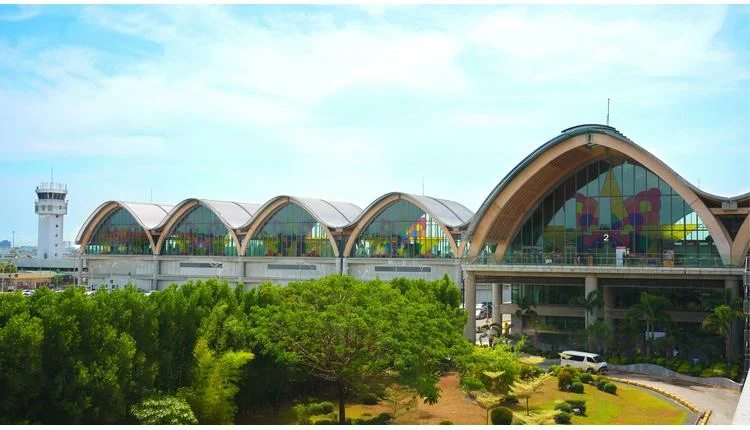
Travel between China and the Philippines is gaining momentum following the resumption of direct flights between Cebu and Quanzhou, combined with the Philippines' expanded visa-free entry policy for Chinese nationals. The developments are expected to stimulate tourism, business travel, and cultural exchange between the two countries.
Route Restart and Policy Update
Xiamen Airlines reinstated the Cebu–Quanzhou route on 29 March 2026, reconnecting Fujian Province with the central Philippines. The service operates out of Mactan-Cebu International Airport (MCIA) and Quanzhou Jinjiang International Airport, offering a direct link between southeastern China and the Visayas region.
Under the Philippines' updated visa policy, Chinese travellers can now enter the country for up to 14 days without a visa for tourism or business purposes, provided they arrive through designated gateways including MCIA and Ninoy Aquino International Airport (NAIA) in Manila. The measure is part of a broader strategy to attract more visitors from China, which remains a key source market for Philippine tourism.
Airport Cooperation Deepens
In early June, representatives from MCIA and Quanzhou Jinjiang International Airport met in Fujian Province to discuss enhanced collaboration on route development, airport operations, and aviation technology. The meeting included airport executives, local government officials, and Xiamen Airlines representatives. Both sides agreed to establish a regular exchange platform to share best practices and explore future cooperation opportunities.
The discussions also highlighted the longstanding ties between Cebu and Fujian Province, which formalised a sister-province relationship in 2018 to boost cooperation in tourism, culture, education, and economic development. This institutional framework provides a foundation for sustained growth in air connectivity and visitor flows.
Implications for Travel Industry
For travel professionals, the Cebu–Quanzhou route opens a convenient gateway between China and the central Philippines, facilitating access to Cebu and onward connections across the Visayas and Mindanao. The visa-free entry policy reduces friction for Chinese leisure and business travellers, making the Philippines a more competitive destination compared to other Southeast Asian markets.
As travel demand between China and Southeast Asia rebounds, stakeholders anticipate increased tourism, business engagement, and cultural exchange. Airlines, hotel groups, and tour operators serving the China–Philippines corridor should monitor capacity adjustments and pricing trends. The route restart also aligns with broader industry patterns, such as Fliggy's tech-focused inbound tours that cater to Chinese outbound travellers.
For MICE planners, the improved connectivity and visa facilitation could boost corporate travel and events in Cebu, a growing hub for business meetings and incentives. The Philippines' MICE sector may benefit from easier access for Chinese delegates, similar to how Türkiye's IAPCO membership strengthened its appeal for international conferences.
Hoteliers in Cebu and nearby destinations should prepare for increased Chinese arrivals, potentially driving demand for Mandarin-speaking staff, Chinese payment systems, and tailored services. The route restart also complements recent hospitality expansions in China, such as Hilton Garden Inns' 2,000-room pipeline targeting business hubs and leisure spots.
Overall, the combination of direct flights and visa liberalisation positions the Philippines to capture a larger share of China's outbound travel market. Travel industry stakeholders should factor these developments into their network planning, marketing strategies, and partnership discussions for the coming seasons.