Dubai has taken a significant step toward cementing its status as a global leader in wellness and longevity with the launch of the Dubai Longevity Authority. The new entity is tasked with transforming the emirate into the world's foremost hub for regulated longevity, wellness, and advanced healthcare, while also attracting investment into these sectors. For travel professionals—from hoteliers and tour operators to destination marketers—this signals a strategic shift that could reshape the region's luxury and wellness tourism landscape.
Wellness as a Core Urban Strategy
The Dubai Longevity Authority represents a formal institutional commitment to integrating health and longevity into the city's fabric. Talal M. Al Gaddah, CEO and Founder of Keturah, a luxury developer with projects in the emirate, praised the move. "This is exactly the kind of institutional commitment that sets Dubai apart," he said. Al Gaddah emphasized the role of developers in aligning with this vision by creating environments that promote wellness and longevity.
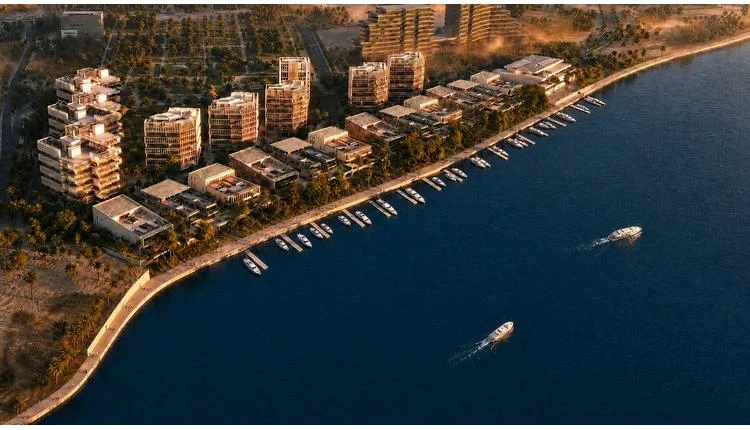
Keturah is currently developing two luxury residential communities that prioritize wellness. The Ritz-Carlton Residences at Keturah Resort, located by Dubai Creek, will be the Middle East's first fully wellness-certified resort. It will feature creek-side mansions, flats, and a standalone wellness centre, certified by Delos and the International WELL Building Institute. This project is a clear example of how hospitality and residential real estate are converging around health-focused design.
Additionally, Keturah Reserve, a $1.55 billion (AED5.7 billion) bio-living community in Mohammed Bin Rashid City's District 7, integrates wellness science into its residential architecture. With $54 million (AED200 million) invested in antimicrobial tiling and breathable wall systems, the development aims to create healthier indoor environments. Such investments underscore a growing trend in the luxury travel sector: properties that offer not just opulence but also measurable health benefits.
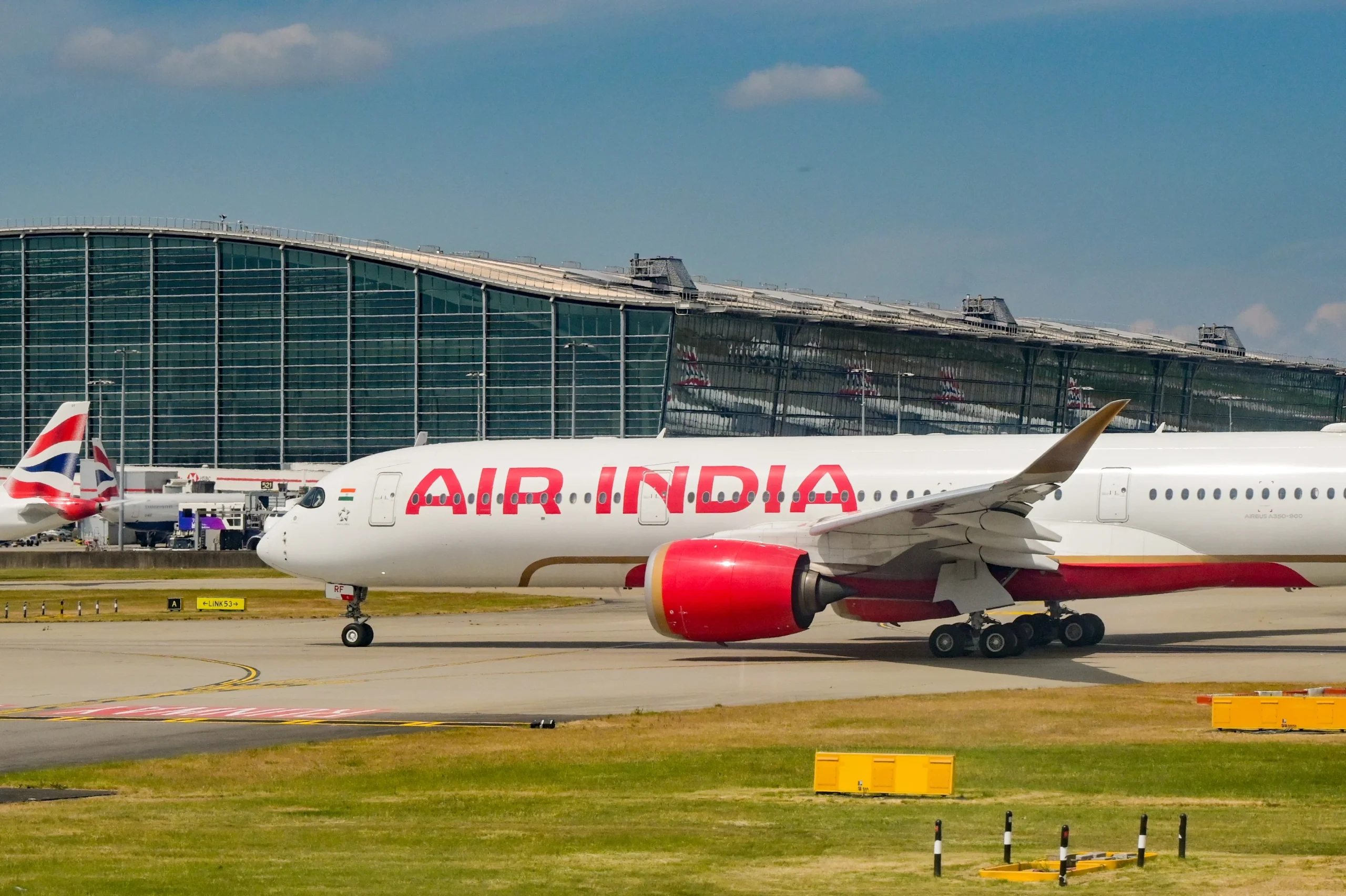
Dubai's broader ambitions are also evident in its infrastructure plans. The emirate's AED128 billion Al Maktoum International Airport expansion signals a long-term vision to handle increased visitor traffic, including wellness tourists. Meanwhile, carriers like flydubai and Emirates continue to expand their networks, making Dubai a key gateway for global travelers seeking health-focused experiences.
Al Gaddah concluded, "Dubai is setting a standard the world will follow, and we have an opportunity to help define what healthier, longer and more fulfilling lives look like for generations to come." For travel industry stakeholders, this initiative offers a clear direction: wellness is no longer a niche but a central pillar of destination development and hospitality design.