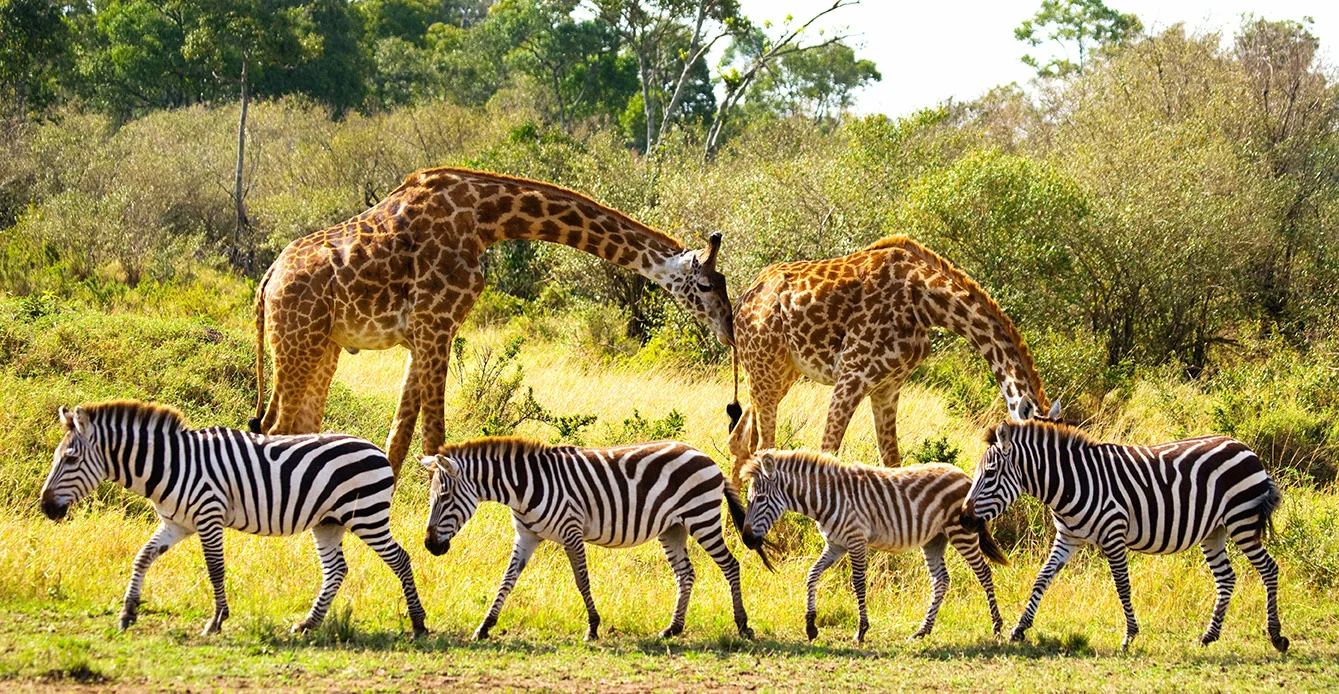
Across the global travel industry, a quiet but decisive shift is underway: travellers are increasingly rejecting exploitative wildlife attractions in favour of experiences that prioritise animal welfare and community benefit. This change is not merely a consumer trend but a structural transformation, driven by destinations that are rewriting conservation laws and tourism policies.
Four nations stand out as pioneers in this movement: Costa Rica, Namibia, Rwanda, and Bhutan. Each has adopted a distinct approach, yet all share a common thread—placing conservation and local communities at the centre of their tourism strategies. For travel professionals, understanding these models is essential as they reshape itineraries, partnerships, and destination marketing.
Costa Rica: from cages to ecosystems
Costa Rica has made headlines by closing its state-run zoos, including the historic Simón Bolívar Zoo in San José, and converting these urban spaces into natural botanical parks. The move aligns with the country's long-standing Payment for Ecosystem Services (PES) programme, which compensates landowners for preserving forest cover and biodiversity. With over 25% of its territory protected within national parks and reserves, Costa Rica now offers visitors encounters with rainforest wildlife exclusively in high-welfare, natural settings.
This policy shift is a clear signal to tour operators and hoteliers: the future of wildlife tourism in Costa Rica lies in ecosystem-based experiences, not captive displays. For agents crafting itineraries, this means prioritising guided rainforest hikes, canopy tours, and regenerative farm visits over traditional zoo stops.
Namibia: community-owned conservation
Namibia was the first African nation to enshrine environmental protection in its constitution. Its Communal Conservancy programme gives local communities legal ownership and management rights over wildlife on their lands. Covering more than 20% of the country, these conservancies channel safari revenue directly to households, funding anti-poaching units and reducing wildlife crime.
For safari operators and luxury travel advisors, Namibia offers a compelling narrative: every booking directly supports community-led conservation. This model has proven so effective that it has become a benchmark for other African nations seeking to balance tourism growth with wildlife protection.
Rwanda: high-value, low-impact gorilla tourism
Rwanda has transformed the protection of its critically endangered mountain gorillas into a masterclass in premium, low-impact tourism. By capping permit numbers and setting high price points, the government limits foot traffic through the delicate cloud forests of Volcanoes National Park. Permit fees fund ranger salaries, veterinary care, and local infrastructure such as schools and clinics.
The result is a steady increase in gorilla populations and a tourism model that maximises revenue while minimising ecological disruption. For luxury travel operators, Rwanda's approach demonstrates how scarcity and exclusivity can drive both conservation outcomes and premium pricing.
Bhutan: preservation over volume
Bhutan has long rejected mass tourism in favour of uncompromising environmental stewardship. Its daily Sustainable Development Fee (SDF) on international visitors generates dedicated funding for carbon-neutral infrastructure, organic agriculture, and wildlife corridors that shelter species like the Bengal tiger and snow leopard.
While the SDF has sparked debate among budget travellers, it aligns with Bhutan's philosophy of 'high value, low impact' tourism. For travel advisors, this means positioning Bhutan as a premium destination where visitor spending directly supports national conservation goals.
These four nations are not just outliers; they are setting a blueprint that other destinations are beginning to follow. As the travel industry increasingly embraces regenerative tourism, the lessons from Costa Rica, Namibia, Rwanda, and Bhutan will become ever more relevant. For airlines, hoteliers, and tour operators, aligning with these ethical standards is not just a moral imperative but a competitive advantage.
For more insights on how destinations are adapting to new traveller expectations, see our analysis of Japan's regional destinations and the WTTC Malta Summit discussions on value and resilience.