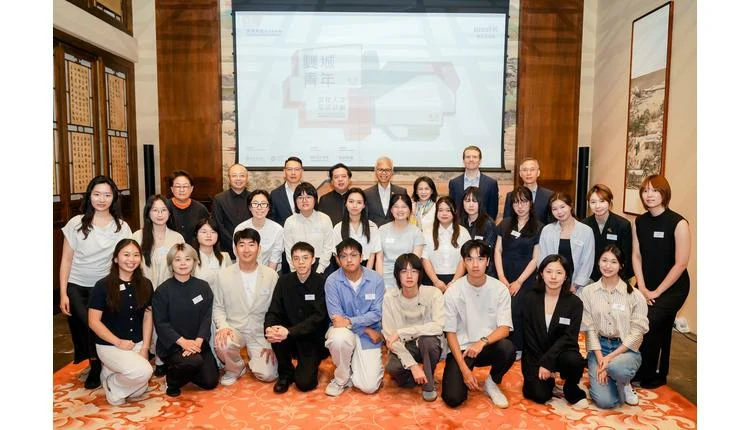
The Hong Kong Palace Museum has kicked off the fifth iteration of its Bi-city Youth Cultural Leadership Programme, this year welcoming 22 university students from Beijing and Hong Kong. The initiative, sponsored by Swire Properties, runs for eight weeks and is designed to examine how heritage, innovation, and urban development intersect to create sustainable communities.
Themed Culture in the Making, the programme offers participants a platform for dialogue and experiential learning across Beijing, Guangzhou, and Hong Kong. It aligns with China’s 15th Five-Year Plan, which prioritises international cultural exchanges and the cultivation of global cultural leaders. Since its launch in 2022, the programme has engaged nearly 170 students.
Programme Structure and Key Destinations
Participants will visit notable cultural landmarks, including Beijing’s 798 Art District and Hong Kong’s West Kowloon Cultural District. A central component is the Innovation Studio, where students will work on design tracks such as Content and IP Creation, and Cultural Product Development. The programme concludes with an Ideas Market in Hong Kong, where students present their cultural innovation concepts.
For travel professionals, this initiative underscores the growing trend of cultural tourism as a driver for destination marketing and community engagement. Similar efforts are seen in other regions, such as the rebuilding of tourism through cultural heritage revival in post-conflict nations, highlighting the global importance of heritage-led travel.
Executive Perspectives
Wang Yuegong, Deputy Director of the Palace Museum, expressed enthusiasm for the programme’s role in nurturing cultural professionals. Dr Louis Ng, Museum Director of the Hong Kong Palace Museum, highlighted the initiative’s success in fostering cultural exchange and developing future leaders. David Poraj-Wilczynski, CEO of Swire Properties, emphasised the programme’s importance in building a talent pipeline for the arts and cultural sectors.
This focus on youth development in cultural tourism aligns with broader industry efforts, such as the Citrawarna 2026 campaign targeting UK travellers for Malaysia’s cultural tourism push, demonstrating how cultural programming can attract international visitors and support local economies.
The programme’s multi-city structure also reflects the increasing importance of MICE tourism in the region, as destinations like Hong Kong and Beijing compete for business events that combine education, culture, and networking. For hoteliers and tour operators, such initiatives create opportunities for tailored packages and partnerships with cultural institutions.
As the travel industry continues to recover and evolve, programmes like this one serve as a model for how heritage and innovation can drive sustainable tourism development. The Hong Kong Palace Museum’s commitment to fostering the next generation of cultural leaders is a positive signal for the industry’s long-term health.