Hotel operators across Asia-Pacific and beyond are facing a persistent structural crisis: a severe shortage of frontline hospitality talent. In response, many are turning to automation, but the industry is learning that robots work best not as replacements for humans but as collaborative tools that enhance operational efficiency.
The consensus is shifting toward cobotics—collaborative robots designed to work alongside hotel staff. By offloading repetitive, physically demanding chores to machines, hoteliers can redirect their human workforce toward high-touch guest engagement, which remains the core of hospitality.
Automation targets high-friction tasks
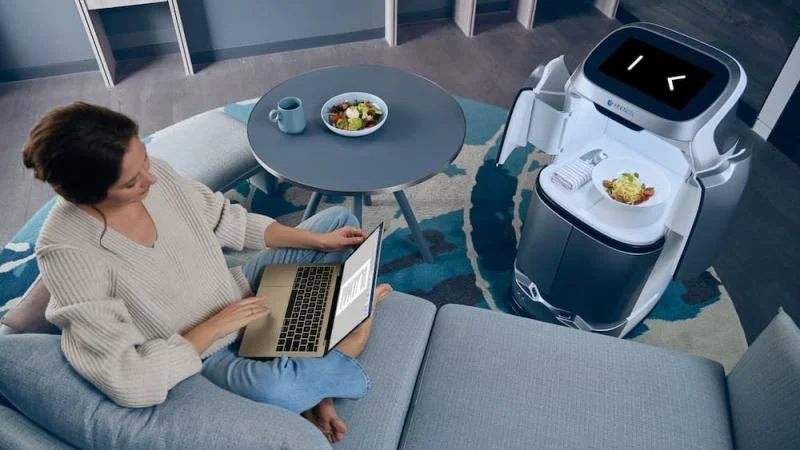
From housekeeping to food service, automation is zeroing in on the tasks that drive employee burnout. Autonomous vacuum cleaners, such as Tailos' Rosie, now clean public spaces up to 80 percent faster than manual labor. Meanwhile, tens of thousands of delivery units from Bear Robotics and Keenon Robotics are shuttling dishes from kitchens to tables, allowing floor staff to focus on genuine hospitality. Autonomous room-service relay units are also cutting ticket times for late-night guest amenities, a common pain point for both guests and staff.
These deployments are not just about efficiency; they are about improving the quality of work. By removing the most monotonous and physically taxing duties, hotels can make frontline roles more attractive, potentially easing recruitment and retention challenges.
Hidden risks of aggressive deployment
Yet aggressive automation carries hidden operational risks. A landmark study from Washington State University (WSU) identified a rising phenomenon known as robot-phobia throughout the hospitality industry. When properties introduce automated systems without clear internal communication, staff experience heightened job anxiety and insecurity. Paradoxically, this anxiety can trigger even higher employee turnover, exacerbating the exact labor shortages the technology was meant to remedy.
The study underscores the importance of change management. Hotels that deploy robots without transparent dialogue risk alienating their workforce, undermining the very benefits they seek. As one industry observer noted, "The technology is only as good as the people who accept it."
Despite projections that the global hospitality robotics market will surge from US$0.61 billion in 2025 to US$1.84 billion by 2030, significant bottlenecks remain. High upfront capital expenditure deters real-estate-minded owners, and technical limits persist. Machines remain strictly function-specific, requiring human assistance to load meals or handle deep-cleaning edge cases. In major gateway cities, strong union opposition further stalls deployment over fears of headcount reduction.
Case study: avatar-enabled remote work
Seeking a pragmatic middle ground, pioneering operators are exploring avatar-enabled remote work. Tokyo's Dawn Avatar Robot Café exemplifies this approach: tele-operated robots are controlled remotely by human workers from their homes. This model preserves authentic human connection while opening hospitality employment to previously excluded demographics, including retirees and individuals with physical limitations.
This hybrid model offers a glimpse into the future of hospitality labor. Rather than replacing workers, robots can extend the reach of human talent, allowing hotels to tap into a broader labor pool and offer flexible work arrangements that appeal to modern employees.
As hoteliers navigate an uncertain operational landscape, the key to sustainable growth lies not in replacing the human spirit but in empowering it. Collaborative robots, when deployed thoughtfully, can be a powerful ally in the fight against labor shortages—provided that hoteliers communicate openly with their teams and position automation as a support tool, not a threat.
For more on how technology is reshaping hotel operations, see our coverage of Amadeus' hotel distribution expansion and luxury retreats blending tradition with tech. The trend toward rural homestays also highlights how guest preferences are evolving, pushing hotels to innovate beyond traditional service models.