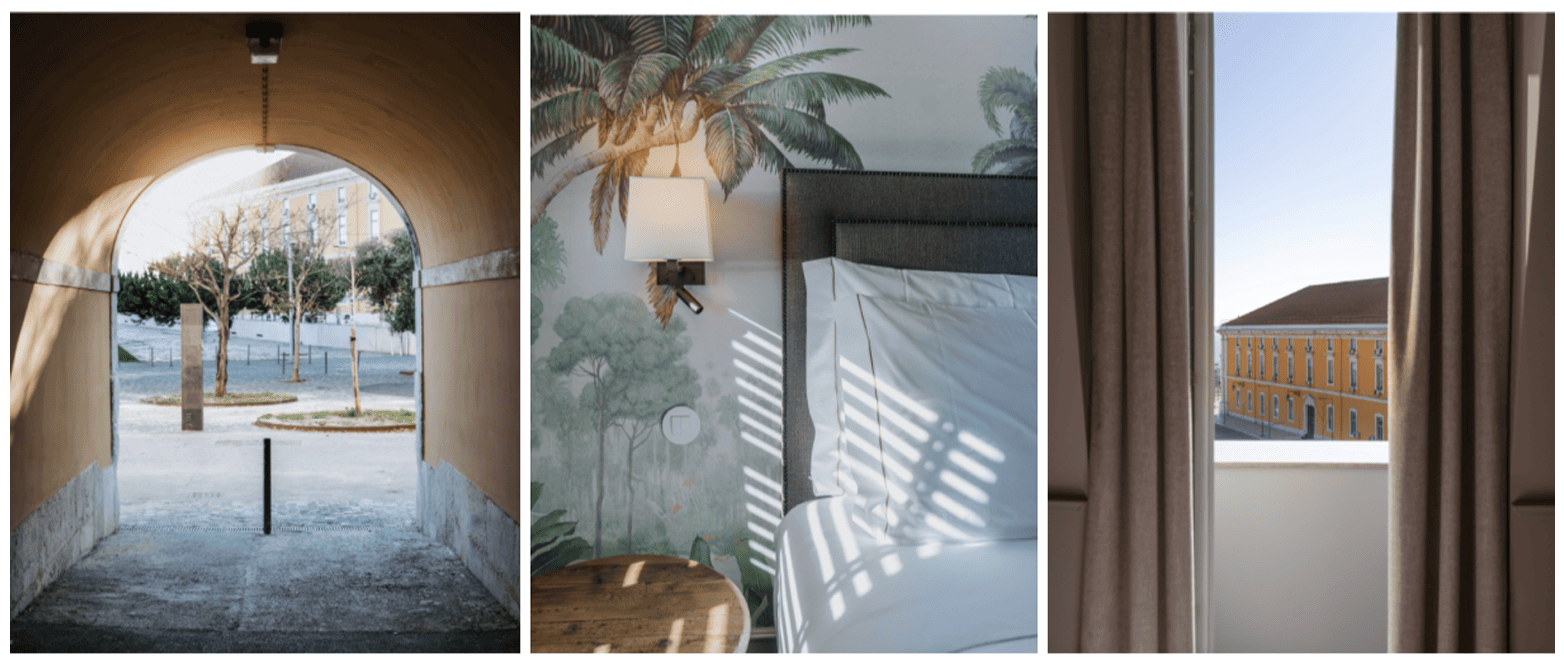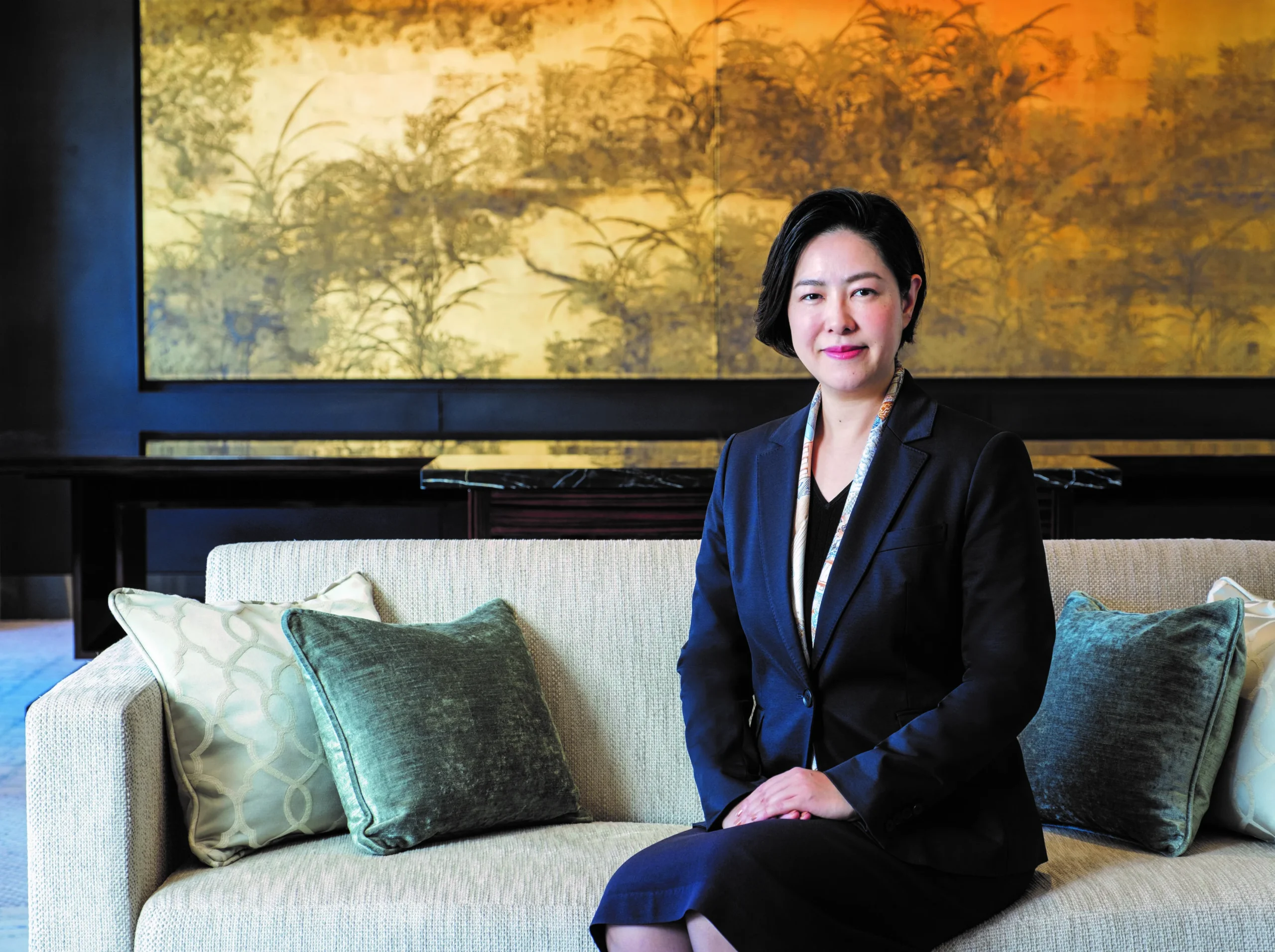
As luxury hospitality increasingly embraces destination stewardship, the Imperial Hotel, Kyoto offers a case study in how a property can become a cultural custodian rather than a mere lodging option. General Manager Reiko Sakata, a two-decade veteran of the Imperial Hotel Group in Tokyo, leads a property that opened in March 2026 within the meticulously restored Yasaka Kaikan, a 1936 theatre that has long anchored Kyoto's Gion district.
Heritage restoration as a strategic choice
The hotel's development was not a conventional new-build. Working with Obayashi Corporation—the same firm that constructed the original theatre—the project involved the careful removal and restoration of more than 16,000 exterior tiles. Architect Tomoyuki Sakakida's "Old is New" philosophy allows historic features to coexist with understated contemporary Japanese design, creating an atmosphere that feels both timeless and current.
For Sakata, the building's preservation is inseparable from the hotel's mission. "I would like the Imperial Hotel to become better known among international audiences," she said, "but I also want the local community to be involved in this development because without them, we have no value." That sentiment shapes everything from guest programming to staff training.
Living culture, not a museum piece
Gion remains one of Japan's most celebrated geisha districts, yet its traditions face pressures from overtourism and demographic shifts. Sakata acknowledges the decline in performer numbers but insists the culture is far from static. "One of the very important roles for the Imperial Hotel is to correctly spread information about this community and Japanese traditional culture," she explained. The hotel positions itself as an interpreter, helping international visitors understand the nuances of geiko and maiko life rather than reducing it to a photo opportunity.
This approach aligns with broader industry trends. As luxury travel continues to surge, travellers increasingly seek meaningful connections to place. The Imperial Hotel's 55 guestrooms and suites—designed around three concepts: Extension, Preservation, and Renovation—offer a template for how heritage properties can remain commercially viable while respecting their context.
Community-first luxury
The hotel's intimate scale is deliberate. Rather than overshadowing Yasaka Kaikan with a large contemporary tower, the property lets the architecture breathe. Guests begin their stay in an Executive Lounge overlooking a tranquil garden, where seasonal wagashi and tea set a contemplative tone. In-room amenities include locally inspired teas, craft beer, and shochu, encouraging guests to sample regional flavours at their own pace.
This philosophy extends beyond the guest experience. Sakata emphasises that the hotel's success depends on its integration into Gion's social fabric. "Without the community, we have no value," she reiterated. The hotel plans to collaborate with local artisans, tea masters, and cultural practitioners, ensuring that its presence supports rather than supplants existing traditions.
For travel professionals, the Imperial Hotel Kyoto represents a growing segment of luxury properties that treat cultural preservation as a core operational principle. As Asian hotel groups lead global expansion, this model could influence how heritage sites are developed across the region. The hotel's approach also resonates with the culture-driven travel shift seen in key source markets.
In an era when travellers are more discerning than ever, the Imperial Hotel Kyoto demonstrates that luxury can be measured not just by thread counts and Michelin stars, but by a property's ability to preserve and amplify the living culture around it. As Sakata put it, the goal is to become part of Kyoto's cultural legacy—not simply a luxury address within it.