India's domestic travel surge is opening new opportunities for winter tourism in the Himalayas, as travellers move beyond the classic circuits of Shimla and Manali. From Kashmir's ski slopes and Himachal Pradesh's heritage towns to Uttarakhand's wellness retreats and the lesser-known mountains of the Northeast, demand is shifting toward experience-rich, shorter breaks. For hotels, resorts and tour operators, the season offers a chance to craft higher-value packages around adventure, nature, culture and slow travel.
Winter in India has long meant festive family trips and the annual hunt for snow in the northern hills. But the mountain tourism proposition is evolving. Travellers are increasingly seeking boutique stays, wellness programmes, adventure activities and quieter destinations where the journey itself is part of the appeal. This changing appetite is helping to extend the winter season beyond the Christmas and New Year peak, benefiting luxury resorts, independent hotels, homestays, destination management companies and tour operators alike.
Domestic travel data points to a robust market
The scale of India's domestic tourism provides a strong backdrop. According to the Ministry of Tourism's India Tourism Statistics 2026, domestic tourist visits reached 428.55 crore (approximately 4.29 billion) in 2025, a 45.51% increase over 2024. While these figures count visits rather than unique travellers, they underscore the sheer volume of domestic travel activity. The jump also reflects the impact of the Maha Kumbh held in 2025.
The Ministry of Statistics and Programme Implementation's Domestic Tourism Expenditure Survey (July 2025–June 2026) adds further insight: leisure, holiday and recreation accounted for 36.4% of urban overnight trips, and around 80% of overnight visitors stayed five days or less. Hotels and guesthouses captured 36% of urban overnight visitor-trips. These findings point to a sizeable market for short domestic breaks that combine accessible transport, comfortable accommodation and distinctive experiences.
Booking trends reinforce the shift toward shorter, more frequent travel. Zostel's Festive Travel Pulse 2026, reported by The Economic Times, shows bookings for October to December running about 50% ahead of the same period in 2025, with November up 43% year on year. Emerging Himalayan destinations are seeing particularly strong interest: Sangla in Himachal Pradesh recorded three times the bookings of the previous year, while Kalpa saw 2.9 times. Shangarh, Chitkul and Shoja also posted substantial gains. Although these figures reflect Zostel's own performance, they signal growing appetite for destinations beyond the established hill-station circuit.
The hospitality sector enters winter on a solid footing. HVS ANAROCK's Q3 2026 Hospitality Monitor reports India's average room rate at ₹8,300–8,500, up 8–10% year on year, with occupancy at 62–64% and RevPAR up 13–15%. For mountain hotels, the opportunity lies in converting this momentum into longer stays, premium bookings and packages that encourage travel beyond the peak festive window.
Northern India: The established winter favourites
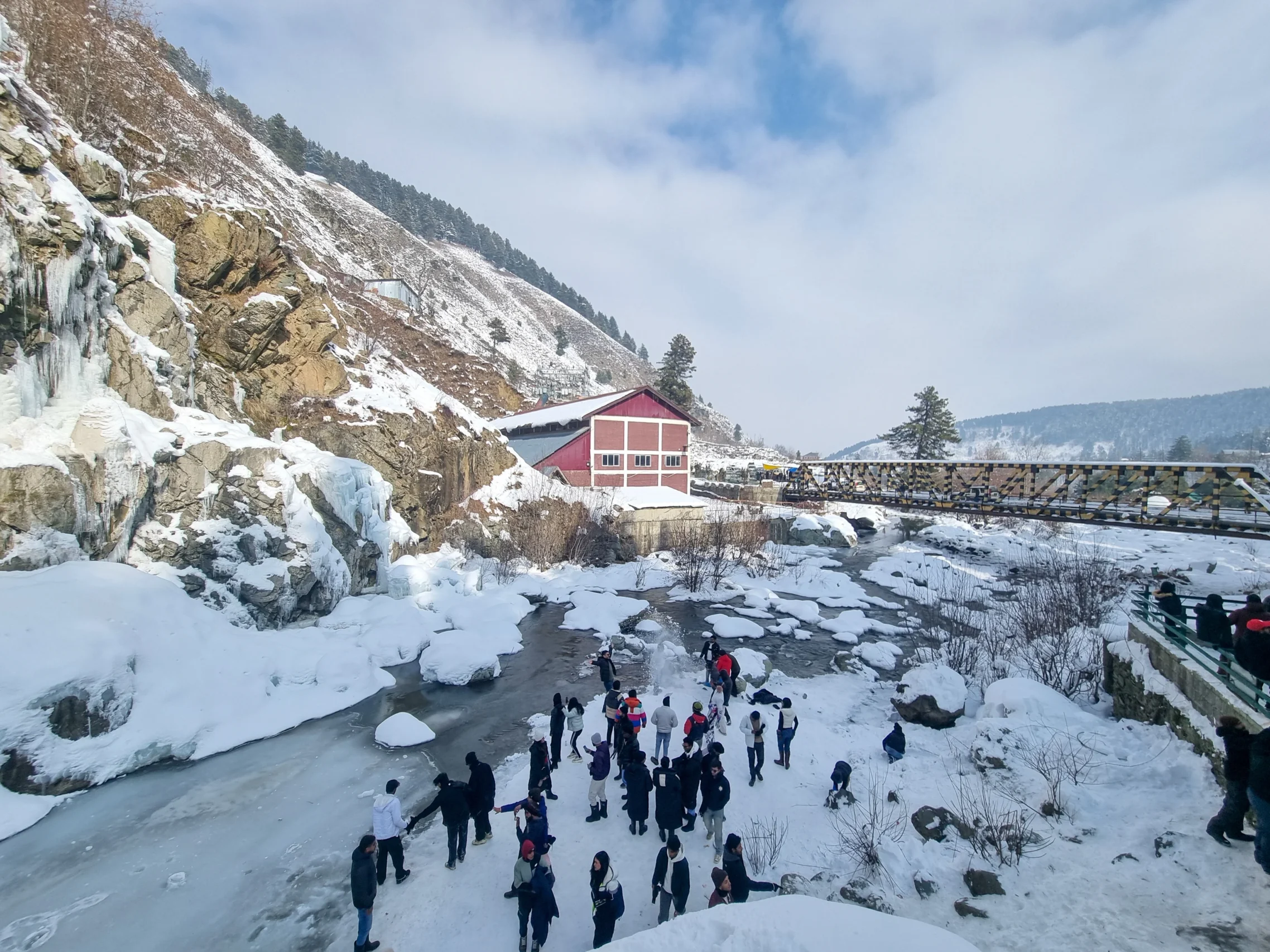
Kashmir remains a major draw. Gulmarg attracts skiers and snow enthusiasts to its slopes and the Gulmarg Gondola, which offers panoramic views of Mount Apharwat. Nearby Pahalgam provides a quieter alternative, with pine forests, river valleys and mountain retreats appealing to couples and families. Together, these destinations support winter packages that blend adventure, sightseeing and luxury accommodation.
In Himachal Pradesh, Shimla retains its colonial charm, heritage hotels and bustling Mall Road, while Kufri offers seasonal snow activities. Manali and Solang Valley draw adventure travellers with skiing, snowboarding and snow play. Beyond these favourites, Kinnaur's Sangla, Kalpa and Chitkul are gaining attention for their dramatic landscapes, traditional villages and slower pace of travel. Zostel's booking figures highlight this growing interest, creating opportunities for boutique hotels, homestays and locally curated experiences. The Himachal Pradesh Tourism Department's winter guide provides an overview of the state's seasonal attractions.
Uttarakhand offers a different mix. Auli is the state's principal skiing destination, with snow-covered slopes and views of Nanda Devi. Mussoorie and Landour appeal to travellers seeking heritage accommodation, forest walks and cosy cafés, while Nainital remains popular for its lakeside setting. Rishikesh adds a wellness dimension, with yoga, meditation and riverside retreats. These destinations allow operators to develop packages combining adventure, relaxation and cultural experiences.
Beyond the traditional circuit: The Northeast and Eastern Himalayas
India's Northeast is emerging as a compelling winter alternative. Sikkim's Gangtok and Pelling offer monastery visits, mountain views and a slower pace, while Arunachal Pradesh's Tawang and Dirang provide remote landscapes and cultural immersion. These regions are less crowded than their northern counterparts, appealing to travellers seeking authenticity and solitude. For the travel trade, they represent a chance to differentiate with off-the-beaten-path itineraries.
The broader trend aligns with a global shift toward winter travel that goes beyond ski slopes and festive markets. As India's domestic market matures, the mountains are no longer just a seasonal novelty but a year-round proposition. For hoteliers and operators, the key is to design experiences that resonate with a new generation of travellers—those who value wellness, adventure and cultural connection as much as snowfall.
With the right strategies, India's winter mountain tourism can extend well beyond the traditional peak, driving occupancy and revenue across the season. The data suggests the demand is there; the industry's response will determine how much of that potential is realised.