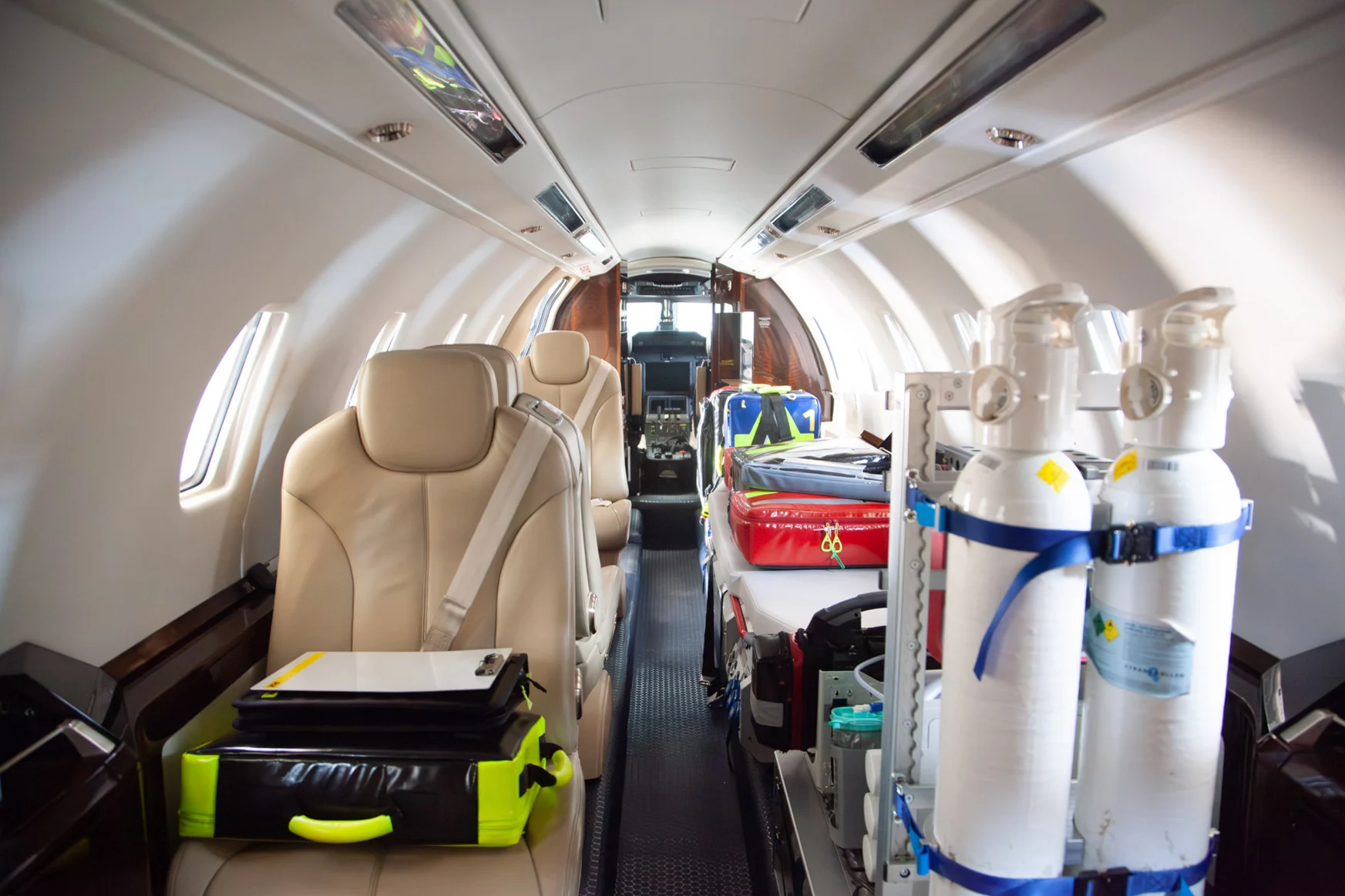
Medical evacuation disputes are on the rise as insurers and flight doctors clash over the safety and cost of repatriation missions, according to Adam Mikulski, founder and CEO of Medical Air Service, a leading air ambulance provider. In an interview, Mikulski highlighted that while many travelers assume their insurance will cover evacuation, insurers often require clear medical necessity and may refuse to pay for more sophisticated transport, leading to prolonged disputes that can end up in court.
Insurers vs. Flight Doctors: The Safety-Cost Tug-of-War
Mikulski explained that the decision on evacuation mode—whether a commercial flight with a medical escort or a dedicated air ambulance—is typically a joint call between treating physicians, the flight doctor, and the insurer's medical team. However, disagreements arise when the flight doctor deems a proposed transport unsafe but the insurer balks at the cost of a higher-level option. “The flight doctor assumes responsibility for the patient's well-being and will decline the mission if they believe the mode of transport is not safe enough,” Mikulski said. “The insurance company may refuse to pay for a more sophisticated means of transport, and the dispute can drag on.”
This tension is particularly acute for travelers with pre-existing conditions, where insurers question whether deterioration was foreseeable or travel-triggered. Mikulski advised travelers to consult their doctor before departure and obtain a written statement confirming stability, though he cautioned this does not guarantee claim approval.
Adventure tourism growth—including trekking, diving, and mountaineering—adds another layer of complexity. Standard policies often exclude high-risk activities, but optional coverage is available at a higher premium. Mikulski urged travelers to read policy fine print and understand how evacuations are arranged. “Only a few insurance companies have their own medical teams and aircraft,” he noted. “Some work with a dedicated partner, while others reimburse clients after the fact. Delayed reimbursement can be problematic because most medical evacuation companies require payment in advance.”
For travel professionals, the implications are clear: agents and tour operators must educate clients on policy nuances, especially for remote destinations or adventure trips. As Maldives Resorts Hold Rate Integrity as Experiential Travel Demand Surges, insurers are adapting to increased risks, but gaps remain. Similarly, Fliggy Data Reveals Premium Travel Surge for 2026 Dragon Boat Festival underscores the need for robust coverage as travelers seek unique experiences.
Mikulski emphasized that travelers should ask insurers about evacuation logistics before departure. “If you can receive appropriate treatment locally, insurers are unlikely to approve an evacuation just because you cannot communicate easily with doctors at an Italian hospital,” he said. The key is to ensure policies cover evacuations deemed medically necessary—not just reasonable—and to verify whether pre-existing conditions are included.
As the travel industry rebounds, with carriers like Riyadh Air Launches Daily Dubai-Riyadh Flights on Boeing 787-9 Dreamliner and Qatar Airways Expands UK Summer Schedule as Long-Haul Demand Surges, the stakes for medical evacuation coverage are higher than ever. Travel professionals should advise clients to budget for comprehensive insurance and understand the fine print to avoid financial strain during emergencies.