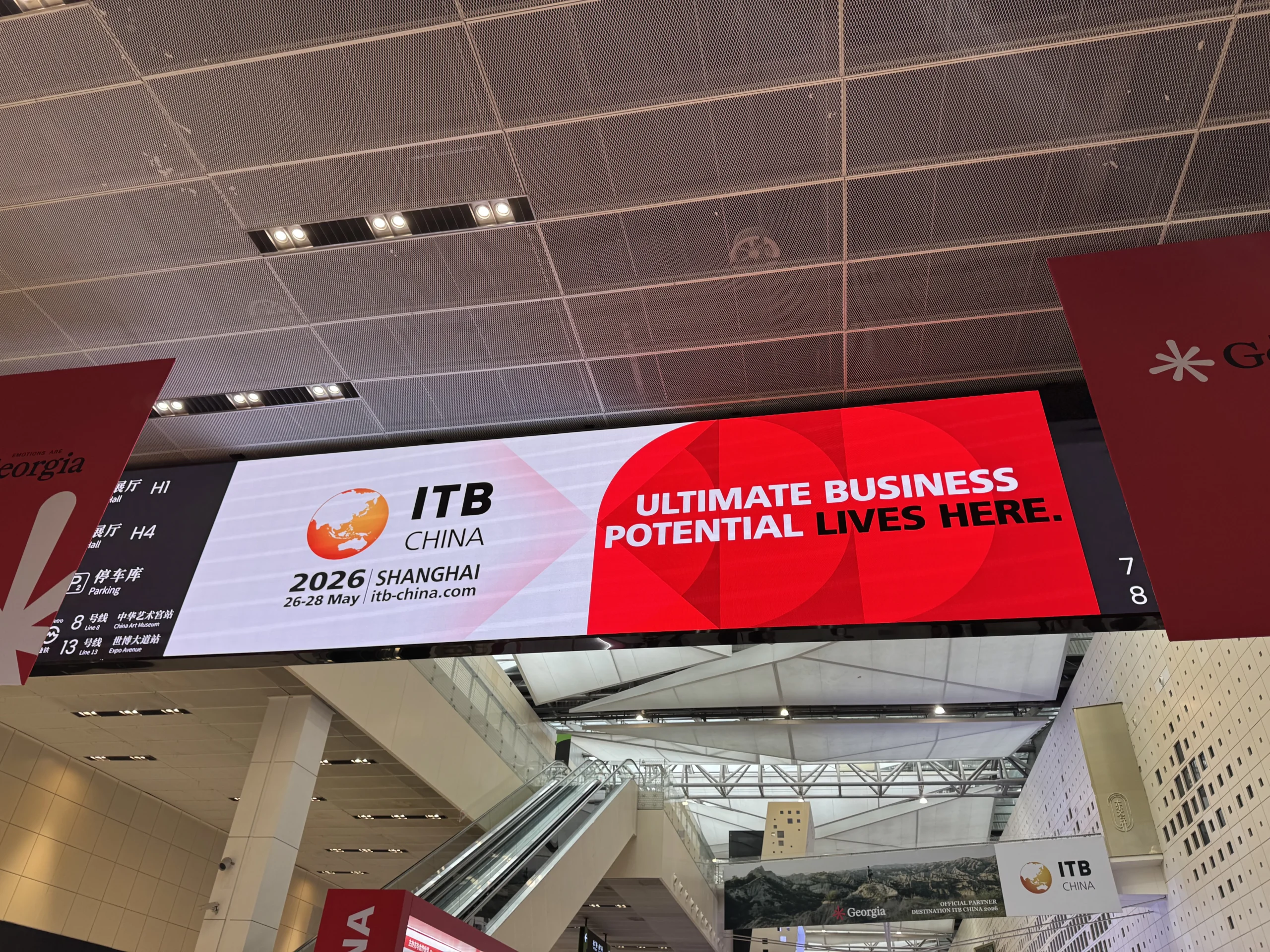
ITB China 2026, held at the Shanghai World Expo Exhibition and Convention Centre in Pudong from 26 to 28 May, marked the largest edition in the event's history. With more than 900 exhibitors representing 85 countries across travel, hospitality, travel technology, and commercial aviation, the conference provided a clear lens into the trajectory of both regional and global tourism for the latter half of 2026 and beyond.
Despite ongoing geopolitical and socioeconomic headwinds, China's tourism sector is thriving, driven by more lenient visa policies and strengthened collaborations between nations and private travel entities. The soon-to-be-released ITB China Travel Trends Report 2026-2027 highlights that relaxed visa rules—including visa-free entry for nationals from 74 countries, covering most of Western Europe, Malaysia, and Uzbekistan—have directly boosted arrival numbers. Chinese authorities reported 30.8 million foreign travellers in 2025, a figure that underscores the policy's impact.
A KPMG report from April 2026 notes that these measures are not solely aimed at inbound travel but also at bolstering service sector exports. The report states: “By widening the scope of visa‑free entry and mutual exemption agreements, organizations may experience greater flexibility for business, tourism, education, and healthcare travel, alongside more predictable entry processes for eligible foreign nationals.” The presence of new exhibitors from Mexico and the Philippines, along with German Travel Association president Albin Loidl's call for deeper China-Europe cooperation, signals further growth in foreign arrivals.
Diversification Beyond Cultural Tourism
Historically, Chinese inbound tourism has centered on cultural and heritage sites. However, experts from Messe Berlin (China), Tourism Economics, Ant International, and Fliggy have identified four high-potential growth areas that extend beyond traditional offerings.
Luxury Tourism
According to Ascentium's China Briefing (December 2025), China's luxury travel market is valued at US$165.57 billion, growing at a CAGR of up to 9%. Growth is fueled by retail travel and gastronomic experiences featuring regional specialties. Notably, high-net-worth Chinese travellers are shifting from branded experiences toward “quiet luxury”—a wellness-centric approach emphasizing spa retreats, bespoke staycations, and immersive cultural experiences. This trend aligns with global shifts seen in destinations like the Maldives, where luxury resorts are diversifying their guest mix to adapt to changing demand.
Adventure and Sports Tourism
A notable increase in Central African travel agencies and tour operators at ITB China 2026, all pitching responsible safari packages (camera-based, not rifle-based) to Chinese buyers, underscores the rise of adventure tourism. A Technavio report values China's adventure tourism industry at up to US$698 billion, encompassing mountaineering, safaris, extreme sports, and participation in global events like Ironman and HYROX. During the panel “How Outdoor Sports are Redrawing Our Travel Map,” Spade Youth Winter Sports Club founder Ryan Han and Benchmark Adventure managing associate David Chen highlighted how sports are redefining family travel. Families now book trips to indulge in favorite sports or learn new ones like pickleball and skiing. Both experts noted that due to the risky nature of many sporting experiences, government regulation may be needed to ensure traveller health and safety.
Educational Tourism
Educational tourism in China has rebounded strongly post-pandemic, reaching an estimated US$141.1 billion in 2025, according to Future Market Insights. Growth is driven by demand for specialized programmes such as Chinese language courses, professional training in traditional Chinese medicine (TCM), and in-person business management seminars. This sector's expansion mirrors broader trends in China's business travel market, where the 30–39 age cohort is a key driver.
Cruises
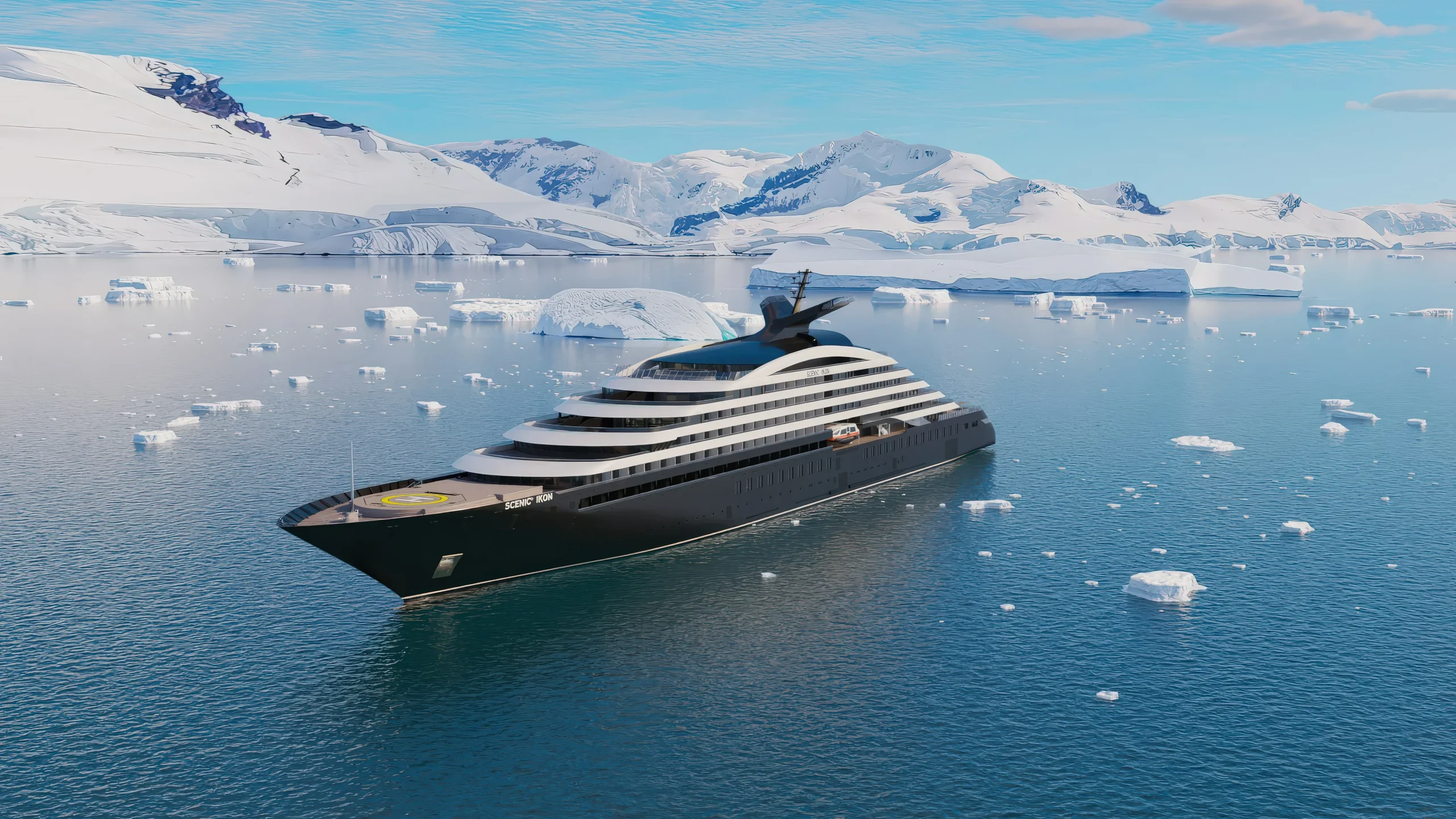
China's domestic cruise sector now carries up to 14 million passengers annually, with projections to grow to US$70 billion by 2035. Outbound cruises, typically four to seven days to nearby destinations like Japan and South Korea, remain popular among Chinese travellers. The sector's rapid growth presents opportunities for cruise lines to tailor itineraries to Chinese preferences.
ITB China 2026 made clear that China's inbound tourism is evolving rapidly, with luxury, adventure, educational, and cruise segments leading the charge. For travel professionals—from airline executives to hoteliers and tour operators—these trends offer actionable insights for capturing a share of this expanding market.