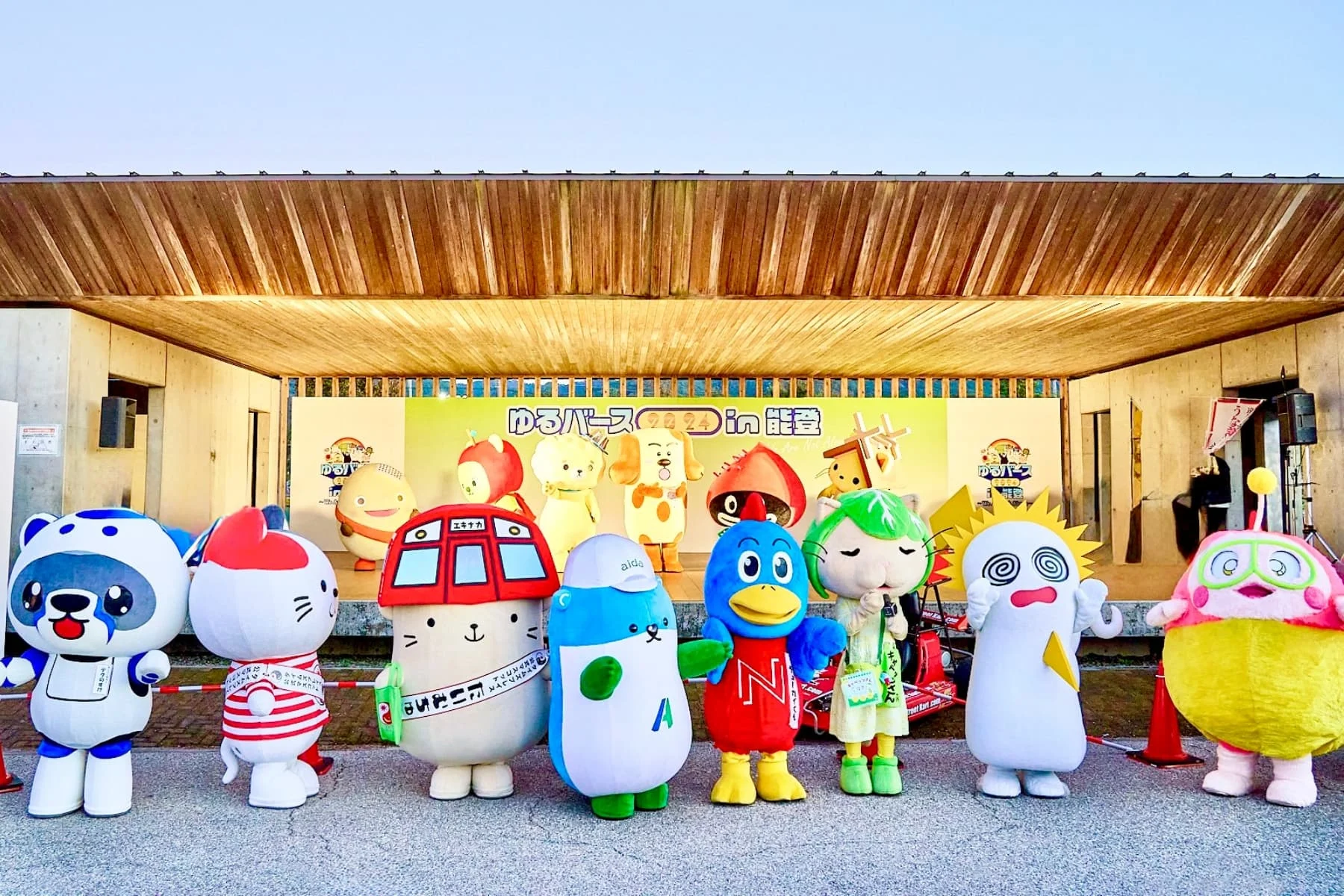
Japan has long been a powerhouse of intellectual property (IP) in entertainment, but its prefectures are now turning mascot characters into serious tourism assets. By investing in unique, locally-rooted IPs, regional governments are drawing international visitors away from the crowded Golden Route of Tokyo, Kyoto, and Osaka, while building sustainable rural tourism economies.
The strategy is anchored in Japan's national Intellectual Property Strategic Programme, which empowers prefectures to transform fictional characters into tangible travel experiences. This approach has gained urgency as overtourism strains major urban hubs, making dispersal a priority for the Japan National Tourism Organization (JNTO) and local authorities.
From Cool Japan to Prefectural Power
The foundation was laid in 2010 when Japan's Ministry of Economy, Trade, and Industry (METI) launched the Cool Japan initiative, inspired by the UK's Cool Britannia. The program aimed to leverage manga, anime, games, fashion, and cuisine as soft-power tools. As researcher Shehaan Sahni of OP Jindal Global University noted in 2024, the strategy was designed to "encourage Japanese citizens to employ their flourishing creativity to the maximum" across design, business innovation, and cultural interaction.
While Cool Japan faced financial challenges post-pandemic, it succeeded in showing local governments how pop culture could boost their global visibility. Today, prefectures are taking the reins, actively financing and producing their own IPs rather than waiting to be featured in a film or manga.
Kumamon: The Bear That Built a Rural Economy
Kumamoto Prefecture, once a sleepy agricultural region, is now synonymous with Kumamon—a startled-looking black bear mascot created by fashion designer Manabu Mizuno in 2010. Kumamon serves as the prefecture's "sales manager and happiness manager," according to the official Kumamoto Prefecture info page, and is charged with "finding surprises and delights close at hand and conveying them to the world."
The economic impact is staggering. By end-2025, Kumamon had generated over US$11.1 billion for Kumamoto's economy. In 2025 alone, merchandise and event ticket sales totaled US$942 million, with the majority coming from international buyers. A May 2026 report from Japan's Mainichi Shimbun noted that exports rose from about $3.76 million in 2022 to approximately $10.03 million in 2025, with 30% going to Taiwan, 29.7% to Hong Kong, and 20.8% to regions outside East and Southeast Asia.
Kumamon's reach extends beyond souvenirs. He became the face of the Yatsushiro Cruise Festival sponsored by Royal Caribbean in 2024 and led relief efforts after the 2016 Kumamoto earthquake. This integration of IP into physical landscapes—from statues to themed trails—encourages travelers to explore rural areas, a model other prefectures are now adopting.
For travel professionals, the lesson is clear: character-driven marketing can effectively shift demand from saturated urban centers to lesser-known destinations. Airlines like Philippine Airlines have responded by boosting frequencies to secondary Japanese cities, as reported in Philippine Airlines Boosts Japan Frequencies. Meanwhile, luxury cruise lines such as Ponant are incorporating rural Japanese ports into their itineraries, as seen in Ponant's 2026–2028 Asia Expedition Program.
This trend aligns with the broader shift toward fluxury travel, where affluent travelers seek deeper, less crowded experiences. For hoteliers and tour operators, partnering with prefectural IPs offers a way to tap into the oshikatsu (fan/supporter) demographic—teens and young adults who are highly motivated to travel for character encounters.
As Japan continues to refine its IP-driven tourism strategy, the success of Kumamon and other mascots demonstrates that rural destinations can compete globally by embracing their unique cultural assets. For the travel industry, this means new opportunities in route development, package tours, and experiential marketing beyond the traditional hubs.